
Choosing the right Face Recognition Door Lock can significantly enhance your home security. With advancements in technology, these locks provide more than just convenience. They offer a reliable way to ensure that only authorized individuals can access your home.
When evaluating different options, consider aspects like accuracy and speed. Not all Face Recognition Door Locks function equally well. Some may struggle in low light or with facial variations, leading to false rejections. It's essential to read customer reviews and expert opinions to select a dependable product.
Additionally, think about the installation process. Complex systems can lead to frustration and increased costs. A straightforward setup process is beneficial, especially for those who are less tech-savvy. Ultimately, the perfect lock should blend security with ease of use, ensuring peace of mind while minimizing potential challenges.
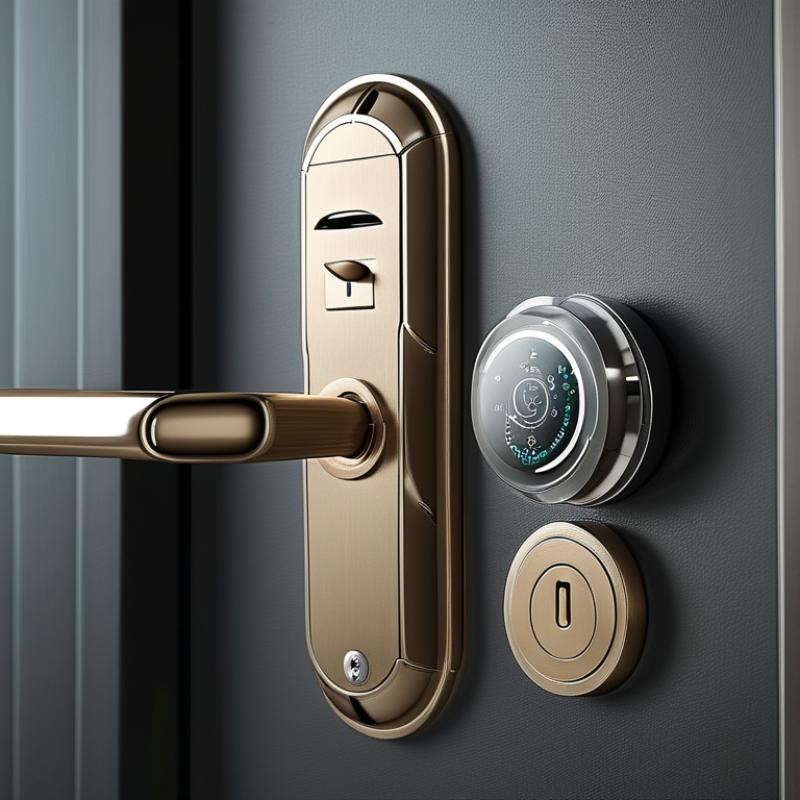
Face recognition technology has rapidly evolved and found various applications in security systems. It works by capturing a facial image and comparing it to a database. This process involves complex algorithms that analyze distinct facial features. The accuracy of this technology often depends on lighting, angles, and expression, which can be challenging in dynamic environments.
The use of face recognition in door locks enhances security significantly. Unlike traditional keys, these locks provide a more convenient and secure option. However, they are not infallible. Issues such as false rejections and vulnerabilities to spoofing require careful consideration. Users must reflect on their environment and daily habits to choose a suitable system.
Beyond mere security, face recognition can streamline access. For instance, family members can enter without fumbling for keys. Yet, the reliability of such technology demands regular updates and maintenance to safeguard against potential breaches. Balancing convenience with security remains a critical challenge in selecting the right face recognition door lock.

This chart illustrates key metrics of face recognition technology including accuracy, speed, user acceptance, and cost. These metrics help in evaluating different face recognition door lock options.
When selecting a face recognition door lock, key features greatly influence usability and security. Firstly, look for advanced facial recognition technology. A study by ABI Research indicates that facial recognition systems are over 98% accurate in ideal conditions. However, accuracy can drop in various lighting or angles. Ideal locks should adapt to these changes seamlessly.
Next, consider user capacity. Some locks can store multiple user profiles. Research suggests that homes with over four residents prefer locks that accommodate at least ten profiles. This flexibility ensures family members can enter without hassle.
Integration with smart home systems is another worthwhile feature. According to MarketsandMarkets, the smart home market is projected to grow significantly, making compatibility vital. A lock that syncs with your existing devices enhances convenience. However, reliance on Wi-Fi can introduce vulnerabilities and connection issues. Always evaluate these security risks alongside convenience. It's essential to balance features with practical applications to ensure your choice is both effective and secure.
When considering a face recognition door lock, security and privacy should be your primary concerns. These systems work by capturing facial images and comparing them to a stored database. This technology raises potential privacy issues. How is your data stored and used? Are there safeguards against unauthorized access? Understanding these factors is crucial.
Many face recognition systems claim to be highly secure. However, they can be vulnerable to spoofing attacks, where someone uses a photo or video to gain entry. Poorly implemented systems may also misidentify individuals, leading to false alarms or lockouts. Look for products backed by transparency and independent security assessments.
It’s important to consider the implications of surveillance. Face recognition technology can track movements and patterns. This data might be misused if it falls into the wrong hands. Striking a balance between convenience and privacy is necessary. Ensure you are comfortable with how your data is handled. Evaluate vendors based on their privacy policies and commitment to data protection.
When selecting a face recognition door lock, examining various brands and models is crucial. The technology has advanced significantly, with recent reports indicating that the global smart lock market is projected to reach USD 3.5 billion by 2026. This growth highlights the increasing consumer demand for secure and convenient entry solutions. Evaluating features such as recognition speed, accuracy, and storage capacity can guide your choice. A good system should recognize faces within seconds and maintain a high accuracy rate of over 95%.
Some models offer additional functionalities like smartphone integration and remote access. These features can enhance convenience but may introduce vulnerabilities. Reports suggest that systems without regular firmware updates are more prone to breaches. It is essential to weigh these factors when considering the ease of use versus potential risks. Comfort in technology often comes with careful consideration of its limitations and security challenges.
Price is another influential factor; some high-end models may seem justifiable at first glance. However, budget-friendly options sometimes provide similar performance. Reliability in cost and function can be less predictable in lower-priced models. Assessing user reviews and expert analyses can shed light on long-term performance. Balancing your specific security needs with budget constraints requires thoughtful scrutiny of each option's strengths and weaknesses.
When choosing a face recognition door lock, evaluating cost versus performance is crucial. A report by MarketsandMarkets estimates that the face recognition market will grow from $3.2 billion in 2020 to $7 billion by 2025. This rapid growth reflects the increasing demand for enhanced security solutions. However, the pricing of these systems varies significantly, from budget-friendly options to high-end models with advanced features.
Performance metrics are key when assessing these products. Features such as accuracy, speed, and user-friendliness often dictate the price. For example, a budget lock might offer a 70% accuracy rate, while premium systems boast over 95%. It’s essential to match performance needs with your budget constraints. Investing in a high-performing lock can save costs on potential security breaches in the future.
Consider these points: look for real-world user reviews to gauge reliability. Check failure rates—some systems may not perform well in low light or during weather extremes. Real-world scenarios matter greatly. Set your priorities based on specific needs, such as size of user base or necessity for integration with smart home systems. This thoughtful approach can prevent costly mistakes and enhance overall satisfaction.
| Model | Price ($) | Face Recognition Speed (ms) | Accuracy (%) | Extra Features |
|---|---|---|---|---|
| Model A | 299 | 300 | 95 | Remote Access, Alarm System |
| Model B | 399 | 200 | 98 | Mobile App Integration |
| Model C | 250 | 400 | 92 | Battery Backup |
| Model D | 450 | 250 | 99 | Voice Control, Door Sensor |

Cepex is the brand for the fluid handling market belonging to the Fluidra group. One of the leading european manufacturer of valves and fittings in thermoplastic materials.
Dedicated to the swimming pool, irrigation and industrial markets, we distribute our products worldwide with the Fluidra commercial network and presence in 46 countries with 136 sales branches.


