How to Choose the Best Distributed Power Generation Gearbox?
FLUID HANDLING EXPERTS

Blog, all our news

How to Choose the Best Distributed Power Generation Gearbox?

Choosing the right Distributed Power Generation Gearbox starts with the operating reality, not a glossy specification sheet. A gearbox beside a diesel generator may face heat, vibration, dust, and irregular loading. Another unit may serve a biogas plant, microgrid, or hybrid energy system. Each application demands different decisions.

Dr. Thomas Ackermann, a recognized power-system researcher, has emphasized: “Distributed generation changes how power systems are planned and operated.” That principle also affects gearbox selection. Engineers must examine torque, speed ratio, duty cycle, ambient temperature, lubrication, and maintenance access. A compact gearbox can save space. It may also increase thermal stress when ventilation is poor. Small details matter.

Field experience often reveals what catalogues hide. Check the shaft alignment after installation. Inspect oil for metallic particles. Listen for rising noise during peak demand. These simple observations can prevent expensive downtime. However, no selection method is perfect. A laboratory efficiency figure may not reflect seasonal operation. Our own checklist may overlook corrosion near coastal sites. That weakness deserves attention.

The best Distributed Power Generation Gearbox balances efficiency, durability, serviceability, and total operating cost. Buyers should request verified load data, documented test results, and realistic warranty conditions. They should also question vague claims. A reliable supplier explains failure modes, replacement intervals, and emergency support. Choose evidence over impressive wording. Performance must survive the real site.
How to Choose the Best Distributed Power Generation Gearbox?

Define the Role of a Distributed Power Generation Gearbox

How to Choose the Best Distributed Power Generation Gearbox?

Define the Role of a Distributed Power Generation Gearbox

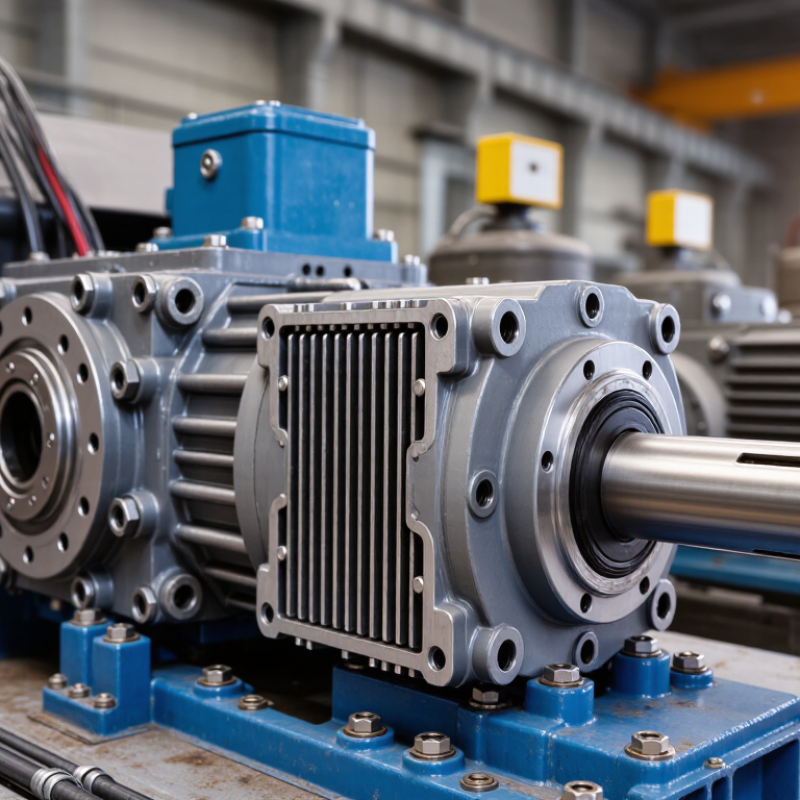
In distributed power generation, a gearbox is more than a speed-changing box. It connects the prime mover to the generator and manages torque between them. Its main role is matching different operating speeds. This match helps the generator produce stable electrical output. It also carries changing loads from wind, water, gas engines, or other local sources. That detail matters.

A suitable gearbox absorbs torque pulses, limits vibration, and supports reliable operation during frequent starts and stops. Its gears, bearings, seals, and lubrication system must withstand heat, dust, moisture, and misalignment. In a working plant, a small oil leak can become a serious maintenance signal. Noise reveals trouble. Vibration data often shows wear before output drops. Operators should review service access, inspection intervals, rated torque, ratio, efficiency, and emergency load behavior before choosing equipment.

Real selection depends on measured duty, not brochure ratings alone. Engineers should compare continuous power with peak torque and transient conditions. A gearbox that looks efficient on paper may perform poorly if cooling is weak or loads change sharply. A common field lesson is that capacity gets attention while alignment and foundation stiffness are overlooked. That is an easy mistake. Site records, test data, and documented maintenance procedures make decisions more dependable. Still, no calculation replaces checking the installed unit after commissioning. Temperature, vibration, and oil condition may challenge the original design assumptions.

Match Gearbox Specifications to the Power Generation System

Choosing a distributed power generation gearbox starts with the system, not the catalog. Measure prime mover speed, generator speed, rated power, and expected load profile. A gearbox that fits peak output may still perform poorly under frequent cycling. Record ambient temperature, dust, humidity, and installation altitude. These details affect cooling, lubrication, and bearing life. In field assessments, I have seen small data gaps create expensive redesigns. Do not trust a single operating point.

Match the gear ratio to the generator’s efficient speed range. Check continuous torque, starting torque, transient loads, and allowable overspeed. Include service factors for grid connection events and variable renewable input. Keep shaft alignment tolerances realistic, especially on flexible foundations. Confirm coupling stiffness, torsional vibration limits, and emergency-stop loads. The gearbox housing must support heat removal without exceeding oil temperature limits. More capacity is not always better. An oversized unit can increase losses, weight, and structural demands.

Specify lubrication grade for the coldest start and hottest enclosure condition. Ask for verified efficiency curves, noise data, vibration limits, inspection access, and maintenance intervals. Require calculations for bearings, gears, and thermal performance under the actual duty cycle. Independent testing adds confidence, but test conditions must resemble the site. I would also leave room for uncertainty. Wind, fuel quality, and operator habits rarely follow the spreadsheet. A practical specification states what is known, what is assumed, and what still needs measurement before procurement.

How to Choose the Best Distributed Power Generation Gearbox?

Match the gearbox ratio and continuous speed rating to the prime mover and generator. The chart compares representative prime-mover speeds with common synchronous-generator speeds for a 50 Hz grid.

A gearbox is typically required when the prime mover speed does not match the generator speed. Final selection should also verify rated power, torque, service factor, transient loads, lubrication, thermal capacity, overspeed capability, and operating duty.

Evaluate Efficiency, Reliability, and Operating Conditions

How to Choose the Best Distributed Power Generation Gearbox?

Efficiency starts with the real load profile, not the nameplate rating. A gearbox should match average torque, peak torque, speed variation, and expected start-stop cycles. Oversizing may reduce stress, but it can increase churning losses and purchase cost. The IEA’s Renewables 2024 report recorded 510 GW of new renewable capacity in 2023. Much of this growth uses smaller, decentralized assets. Small losses become significant across thousands of operating hours. Check measured efficiency at partial load, not only the laboratory maximum.

Reliability depends on more than gear metallurgy. NREL field studies commonly associate gearbox problems with roughly 15% to 20% of wind-turbine downtime. The figure varies by fleet, climate, and maintenance practice. It is still a warning. Review bearing life, lubrication intervals, seal performance, vibration limits, and service access. A gearbox beside a dusty biomass unit needs different protection than one in a cool coastal installation. IP ratings help, but they do not replace contamination testing.

Operating conditions often expose weak assumptions. Record ambient temperature, humidity, dust, grid interruptions, and shaft misalignment before selection. IEC 61400-4 guidance supports evaluating gearbox loads through defined duty cycles and transient events. Ask for test evidence under those conditions. Supplier data can look precise. It may still hide short duty cycles or ideal lubrication. A practical trial with temperature and vibration logging can reveal more than a polished brochure. Allow inspection space around the housing. Maintenance crews need it. One overlooked detail can turn a highly efficient gearbox into an expensive stoppage.

Compare Gearbox Designs, Materials, and Maintenance Needs

Choosing a distributed power generation gearbox starts with the operating profile, not the catalogue. Helical designs usually offer smooth torque transfer and lower noise. Planetary gearboxes provide high torque density in compact spaces. Bevel-helical units suit systems requiring a directional change. However, compact designs can make inspection and repair more difficult. A smaller housing is not always the easier choice.

Material selection affects service life. Case-hardened alloy steel supports heavy loads and repeated starts. Nitrided surfaces can improve wear resistance under demanding conditions. Housing materials also matter. Cast iron offers rigidity and vibration control, while lighter alloys may simplify installation. In humid or dusty locations, seals and surface protection deserve close attention. I have seen specifications focus on gear strength while overlooking shaft alignment. That mistake can create premature bearing damage.

Tips: Match the gearbox ratio to the generator’s real load range. Check oil temperature during commissioning. Record vibration, noise, and leakage readings. Use condition monitoring where access is difficult. Maintenance intervals should reflect actual duty, not only supplier recommendations. Inspect lubricant for metal particles and water contamination. Replace damaged seals early. One overlooked issue is cleaning around cooling fins. Dirt can raise operating temperature and shorten lubricant life. Maintenance teams should also keep spare bearings, seals, and inspection records available. A practical design may sacrifice a little efficiency for safer access and faster servicing.

Select a Supplier and Verify the Final Gearbox Configuration

Choosing the right distributed power generation gearbox starts with the supplier, not the catalog. A capable supplier should understand fluctuating loads, frequent starts, and limited maintenance access. Ask for verified experience with similar power ratings, input speeds, duty cycles, and ambient conditions. Request references, inspection records, material certificates, and documented quality procedures. Factory testing should cover noise, vibration, temperature rise, lubrication, and load performance.

Look beyond the quoted ratio and rated power. The supplier must review the complete operating profile, including peak torque, transient loads, overspeed, shaft alignment, and generator compatibility. Confirm the service factor with written calculations. Also check bearing life, gear strength, housing stiffness, seal design, cooling method, and oil specifications. Small omissions matter. A gearbox can meet its headline rating yet fail under repeated start-up stress.

Before approval, compare the final configuration against the signed datasheet and assembly drawing. Verify input and output rotation, shaft dimensions, mounting holes, coupling limits, sensor locations, inspection ports, and maintenance clearances. Confirm the selected lubricant for the actual temperature range. Require a final inspection report, test results, spare-parts list, installation instructions, and traceable serial records. A second technical review is worthwhile. Even experienced teams miss one interface detail when schedules become tight. Suppliers should welcome questions and explain design margins clearly, rather than hiding behind standard terminology.

Copyright 2025 Fluidra S.A. | Created by BCM Marketing Agencia Privacy Policy Legal note | Cookie policy |

Technical cookies are strictly necessary for our website to work and you can navigate through it. These types of cookies are those that, for example, allow us to identify you, give you access to certain restricted parts of the page if necessary, or remember different options or services already selected by you, such as your privacy preferences. Therefore, they are activated by default, your authorization not being necessary in this regard. Through the configuration of your browser, you can block or alert the presence of this type of cookies, although such blocking will affect the proper functioning of the different functionalities of our website.


The analysis cookies allow us to study the navigation of the users of our website in general (for example, which sections of the page are the most visited, which services are used most and if they work correctly, etc.). From the statistical information on navigation on our website, we can improve both the operation of the page itself and the different services it offers. Therefore, these cookies do not have an advertising purpose, but only serve to make our website work better, adapting to our users in general. By activating them you will contribute to this continuous improvement. You can enable or disable these cookies by checking the corresponding box, being disabled by default.


Functionality cookies allow us to remember your preferences, to personalize certain characteristics and general options of our website, every time you access it (for example, the language in which the information is presented to you, the sections marked as favorites, your browser type, etc.) Therefore, this type of cookies does not have an advertising purpose, but by activating them you will improve the functionality of the website (for example, adapting to your type of browser) and the customization of it based on your preferences (for example, by presenting the information in the language that you have chosen in previous occasions), which will contribute to the ease, usability and comfort of our page during your navigation. You can enable or disable these cookies by checking the corresponding box, being disabled by default.


Advertising cookies allow us to manage the advertising spaces included in our website based on criteria such as the content shown or the frequency in which the ads are displayed. For example, if you have been shown the same ad several times on our website, and you have not shown a personal interest by clicking on it, it will not appear again. In summary, by activating this type of cookies, the advertising shown on our website will be more useful and diverse, and less repetitive. You can enable or disable these cookies by checking the corresponding box, being disabled by default.


Behavioral advertising cookies allow us to obtain information based on the observation of your browsing habits and behaviors on the web, in order to show you advertising content that best suits your personal tastes and interests. To understand it in a very simple way, we will give you a fictitious example: if your last searches on the web were related to suspense literature, we would show you advertising about suspense books. Therefore, activating this type of cookies, the advertising that we show you on our website will not be generic, but will be oriented to your searches, tastes and interests, therefore adjusting exclusively to you. You can enable or disable these cookies by checking the corresponding box, being disabled by default.
To understand it in a very simple way, we will give you a fictitious example: if your last searches on the web were related to suspense literature, we would show you advertising about suspense books. Therefore, activating this type of cookies, the advertising that we show you on our website will not be generic, but will be oriented to your searches, tastes and interests, therefore adjusting exclusively to you. You can enable or disable these cookies by checking the corresponding box, being disabled by default.

SAVE

We use our own and third-party cookies to ensure the proper functioning of the website and to analyse our services, improve your experience on our website and show you advertisements related to your interests according to profiling based on your browsing habits (e.g. websites visited). You can accept all cookies by clicking "ACCEPT" or set or reject them by clicking here. If you would like to know more about the use of cookies, please see our COOKIE POLICY.


ACCEPT ALL
Reject no essentials