
How to Choose the Right Steel Plate Flange for Your Project?
FLUID HANDLING EXPERTS

Blog, all our news

How to Choose the Right Steel Plate Flange for Your Project?

Choosing the right Steel Plate Flange is critical for your project’s success. With the global steel market expected to grow to $1 trillion by 2025, the importance of selecting quality components cannot be overstated. Steel Plate Flanges play a pivotal role in various industries, including oil and gas and construction. They are essential for ensuring the integrity and reliability of piping systems.

A report from the Steel Manufacturers Association indicates that poorly selected or improperly installed flanges can lead to significant failures. These failures result in costly repairs and project delays. Therefore, understanding the specific requirements of your application is vital. This includes load-bearing capacity, pressure ratings, and compatibility with other materials.

When evaluating your options, consider the manufacturing standards and specifications. The American Society for Testing and Materials (ASTM) provides guidelines that are widely recognized. However, not all flanges meet these standards. Quality varies significantly across manufacturers. Taking time to research and consult industry experts can alleviate potential risks associated with Steel Plate Flange selection.
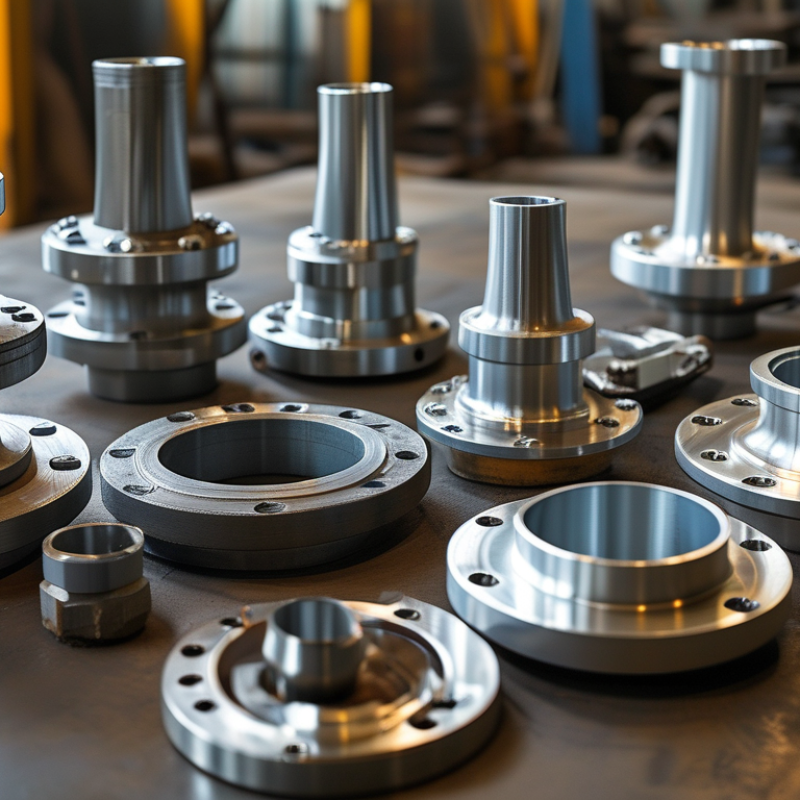
How to Choose the Right Steel Plate Flange for Your Project?

Understanding Steel Plate Flanges: Types and Specifications

When selecting steel plate flanges, understanding their types and specifications is crucial. There are several common types, including slip-on, blind, and weld-neck flanges. Each type has unique applications, and their functionalities are determined by the project's requirements. According to industry reports, the global steel flange market is projected to grow by 4.5% annually through 2026. This growth reflects increasing demand across various sectors such as construction and manufacturing.

Specifications also play a significant role in flange selection. Flanges are categorized based on pressure ratings, sizes, and materials. For example, ASME B16.5 is a widely recognized standard that specifies the dimensions and tolerances for flanges. Understanding these specifications helps in ensuring proper fit and pressure resistance. It’s worth noting that mismatched specifications may lead to project delays and increased costs.

Additionally, material properties should not be overlooked. Different steel grades, like ASTM A105 or A182, possess unique strengths and weaknesses. Though they serve similar purposes, choosing the wrong material can compromise the integrity of your project. Industry surveys suggest that up to 30% of construction failures arise from improper material selection. Therefore, careful assessment and consultation with professionals are recommended.

Choosing the Right Steel Plate Flange: Types and Specifications

Key Factors in Selecting the Right Size for Steel Plate Flanges

Choosing the right size for steel plate flanges is crucial for any project. It ensures proper alignment and maintains structural integrity. The first step is to consider the pressure requirements of your system. Higher pressures demand thicker flanges. If you overlook this, leaks or failures may arise.

Another important factor is the diameter of the pipes being connected. Flanges should match the pipe size to avoid stress and misalignment. A mismatch can lead to potential failures. Additionally, consider the materials being used. Different environments can corrode certain materials, influencing the choice of flanges.

If you're uncertain, consulting with a structural engineer or a knowledgeable supplier is essential. They can help clarify common mistakes in flange selection. It's okay to have questions and seek guidance. Reflecting on past projects can also reveal lessons learned. Each choice you make shapes the outcome of your project.

Material Considerations: Choosing the Right Steel Grade for Your Flanges

Selecting the right steel plate flange starts with understanding the material grade. Steel grades significantly impact strength, weight, and corrosion resistance. Different applications demand specific properties. For example, high tensile strength may be necessary in heavy machinery. On the other hand, resistance to heat might be crucial in piping systems.

When evaluating steel grades, consider environmental factors. Will the flange face extreme temperatures or exposure to corrosive substances? The right grade resists wear and maintains integrity under pressure. If uncertain, consult industry standards. They can guide your choice effectively.

Tips: Always match the flange material with the application demands. An unsuitable grade may lead to failure, costing time and money. Regularly review how operational conditions might change. Know that even a minor oversight can lead to significant issues in the long run. Choose wisely; your project depends on it.

Industry Standards and Certifications for Steel Plate Flanges

When selecting a steel plate flange, understanding industry standards and certifications is crucial. These standards ensure quality and performance in critical applications. Flanges are often subject to specifications like ASME, ASTM, or API. These guidelines stipulate material properties, dimensions, and pressure ratings. Choosing a flange that meets these standards guarantees compatibility in your project.

Certifications play a vital role in determining a flange's reliability. Look for flanges that have been tested and certified by recognized entities. This certification indicates adherence to quality management systems and ensures the product meets stringent requirements. It is wise to request documentation to verify compliance.

Not all manufacturers maintain these standards consistently. Some may cut corners to reduce costs. This could lead to performance issues or failure in the long run. It is essential to conduct thorough research on the manufacturer's reputation. Engage with industry professionals to gain insights into reliable suppliers. These steps help you avoid potential pitfalls in your project.

How to Choose the Right Steel Plate Flange for Your Project? - Industry Standards and Certifications for Steel Plate Flanges

Flange Type Material Standard Pressure Rating Certification Typical Application
Welding Neck Flange ASTM A105 Class 150 to Class 2500 ISO 9001 Pipelines, Pressure Vessels
Slip-On Flange ASTM A105 Class 150 to Class 900 ASME B16.5 Oil & Gas, Waterworks
Blind Flange ASTM A105 Class 150 to Class 2500 API 6A Closure of Piping Systems
Threaded Flange ASTM A105 Class 150 to Class 300 ASTM D3299 Low Pressure Systems
Socket Weld Flange ASTM A105 Class 300 to Class 900 ASME B16.5 High Pressure Systems

Common Applications and Their Flange Requirements in Various Industries

When selecting a steel plate flange, understanding its application is crucial. Different industries have unique requirements that dictate the type of flange needed. For instance, the oil and gas sector demands flanges that can withstand high pressure and intense temperatures. This often calls for materials like carbon steel or stainless steel, combined with specific design features to prevent leaks.

In manufacturing, the demands vary again. Flanges for piping systems in factories often prioritize flexibility and ease of installation. These flanges may need holes for bolting and must adhere to industry standards. Transportation sectors, such as rail and cargo, also require durable flanges that can support heavy loads. An incorrect choice could lead to failure and costly repairs, emphasizing the need for careful selection.

While conceptualizing your project, consider the environment too. High corrosion environments require protective coatings or special materials. Choosing the right flange is not just about specifications; it’s about understanding your project's full scope. A flawed selection process can lead to inefficiencies, creating a need for reflection on the criteria used in the decision-making.

Copyright 2025 Fluidra S.A. | Created by BCM Marketing Agencia Privacy Policy Legal note | Cookie policy |

Technical cookies are strictly necessary for our website to work and you can navigate through it. These types of cookies are those that, for example, allow us to identify you, give you access to certain restricted parts of the page if necessary, or remember different options or services already selected by you, such as your privacy preferences. Therefore, they are activated by default, your authorization not being necessary in this regard. Through the configuration of your browser, you can block or alert the presence of this type of cookies, although such blocking will affect the proper functioning of the different functionalities of our website.


The analysis cookies allow us to study the navigation of the users of our website in general (for example, which sections of the page are the most visited, which services are used most and if they work correctly, etc.). From the statistical information on navigation on our website, we can improve both the operation of the page itself and the different services it offers. Therefore, these cookies do not have an advertising purpose, but only serve to make our website work better, adapting to our users in general. By activating them you will contribute to this continuous improvement. You can enable or disable these cookies by checking the corresponding box, being disabled by default.


Functionality cookies allow us to remember your preferences, to personalize certain characteristics and general options of our website, every time you access it (for example, the language in which the information is presented to you, the sections marked as favorites, your browser type, etc.) Therefore, this type of cookies does not have an advertising purpose, but by activating them you will improve the functionality of the website (for example, adapting to your type of browser) and the customization of it based on your preferences (for example, by presenting the information in the language that you have chosen in previous occasions), which will contribute to the ease, usability and comfort of our page during your navigation. You can enable or disable these cookies by checking the corresponding box, being disabled by default.


Advertising cookies allow us to manage the advertising spaces included in our website based on criteria such as the content shown or the frequency in which the ads are displayed. For example, if you have been shown the same ad several times on our website, and you have not shown a personal interest by clicking on it, it will not appear again. In summary, by activating this type of cookies, the advertising shown on our website will be more useful and diverse, and less repetitive. You can enable or disable these cookies by checking the corresponding box, being disabled by default.


Behavioral advertising cookies allow us to obtain information based on the observation of your browsing habits and behaviors on the web, in order to show you advertising content that best suits your personal tastes and interests. To understand it in a very simple way, we will give you a fictitious example: if your last searches on the web were related to suspense literature, we would show you advertising about suspense books. Therefore, activating this type of cookies, the advertising that we show you on our website will not be generic, but will be oriented to your searches, tastes and interests, therefore adjusting exclusively to you. You can enable or disable these cookies by checking the corresponding box, being disabled by default.
To understand it in a very simple way, we will give you a fictitious example: if your last searches on the web were related to suspense literature, we would show you advertising about suspense books. Therefore, activating this type of cookies, the advertising that we show you on our website will not be generic, but will be oriented to your searches, tastes and interests, therefore adjusting exclusively to you. You can enable or disable these cookies by checking the corresponding box, being disabled by default.

SAVE

We use our own and third-party cookies to ensure the proper functioning of the website and to analyse our services, improve your experience on our website and show you advertisements related to your interests according to profiling based on your browsing habits (e.g. websites visited). You can accept all cookies by clicking "ACCEPT" or set or reject them by clicking here. If you would like to know more about the use of cookies, please see our COOKIE POLICY.


ACCEPT ALL
Reject no essentials


