How to Choose the Right Pressure Fittings for Your Needs?
FLUID HANDLING EXPERTS

Blog, all our news

How to Choose the Right Pressure Fittings for Your Needs?

Choosing the right pressure fittings is critical for system efficiency and safety. In the industrial sector, the market for pressure fittings is projected to reach $8.7 billion by 2026, according to a recent report by MarketsandMarkets. This growth indicates the increasing reliance on high-quality fittings in diverse applications.

Pressure fittings play a vital role in plumbing, HVAC, and petrochemical industries. Selecting the appropriate material, size, and design can significantly impact a project's success. However, many engineers may overlook the specific requirements of their systems. Each application has unique demands, from temperature fluctuations to fluid types, which should be carefully evaluated.

Understanding the nuances of pressure fittings can prevent costly failures. Poor-quality choices can lead to leaks and inefficiencies. Thus, investing time in research and consultation is essential. Make informed decisions based on both data and experiences shared by industry professionals.
How to Choose the Right Pressure Fittings for Your Needs?

Understanding Different Types of Pressure Fittings Available in the Market

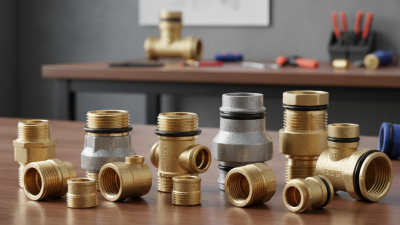
Pressure fittings come in various types, each designed to serve different applications. The most common types include threaded, flanged, and compression fittings. Threaded fittings are popular for their ease of installation. They require minimal tools and can be disassembled easily, which makes them a favorite for DIY projects. Flanged fittings work well in high-pressure systems. These fittings secure two surfaces together with bolts, providing a tight seal that withstands significant pressure.

Compression fittings are versatile and often used in plumbing and gas applications. They create a secure connection by compressing a ring onto a pipe. This method is effective but can be tricky. If not installed correctly, leaks may occur. It's crucial to understand the specifications and limits of each fitting type. For example, using a fitting rated for low pressure in a high-pressure environment could lead to catastrophic failures.

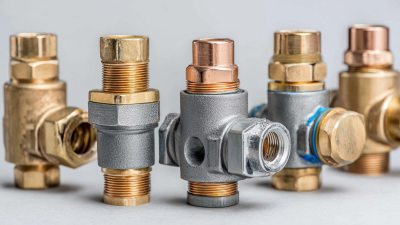
Consider the material of the fittings as well. Options include brass, stainless steel, and plastic. Each material presents unique advantages and drawbacks in durability, corrosion resistance, and compatibility with fluids. Different environments may require specific materials to maintain integrity under pressure. It’s important to evaluate your specific needs carefully to avoid costly mistakes.

How to Choose the Right Pressure Fittings for Your Needs? - Understanding Different Types of Pressure Fittings Available in the Market

Type of Pressure Fitting Material Pressure Rating (psi) Temperature Rating (°F) Applications
NPT Fittings Brass 5000 250 Water, Gas, Oil
Socket Weld Fittings Stainless Steel 3000 800 Oil, Gas, Petrochemical
Threaded Fittings Carbon Steel 10000 600 Water Systems, HVAC
Compression Fittings Brass 2000 180 Plumbing, Liquids
BSP Fittings Galvanized Steel 4000 300 Industrial, Fire Systems

Assessing Material Compatibility for Specific Applications and Environments

Choosing the right pressure fittings hinges significantly on material compatibility. Different applications may demand specific materials to ensure optimal performance. For instance, stainless steel is often preferred for high corrosion resistance, especially in chemical processing environments. According to a recent industry report, about 60% of failures in pressure systems arise from material incompatibility.

In environments exposed to extreme temperatures, consider materials like nylon or PTFE. These options are known for their thermal resilience and can withstand fluctuating temperatures without degrading. However, engineers must regularly assess the environmental factors associated with their use. Ignoring these factors may lead to unexpected failures and costly repairs.

Evaluate pressure ratings and compatibility charts easily available in industry manuals. When in doubt, consult with professionals to ensure alignment with standards. Reflect on past experiences with material selection; a thorough analysis can prevent repetitive mistakes. Selecting the right material not only enhances safety but also extends the lifespan of your systems.

Material Compatibility for Pressure Fittings

This chart illustrates the material compatibility ratings for various pressure fitting materials based on their suitability for different applications and environments. A higher rating indicates better compatibility, which is essential for ensuring safety and functionality in specific settings.

Evaluating Pressure Ratings and Standards for Safety and Performance

When choosing pressure fittings, understanding pressure ratings is vital. Pressure ratings dictate how much force a fitting can safely withstand. They are classified using standard measurements, ensuring the fittings operate well under specific conditions. It's crucial to consider the maximum pressure your system experiences. Exceeding this limit can lead to dangerous failures.

Standards for pressure fittings come from established organizations. These bodies provide guidelines about materials, dimensions, and pressure capacities. It’s essential to be aware of these standards to ensure safety and performance in your applications. Always verify that your chosen fittings meet these established norms. It can prevent future complications that might arise from using inadequately rated components.

Occasionally, pressure ratings might not align perfectly with the operational needs. Some situations require more robust solutions, while others might not need high ratings. This oversight can lead to inefficiencies or potential hazards. Adapting to the right specifications involves thorough research and consultation with industry experts. Make sure you explore diverse options available. Ensure each fitting selected aligns with both safety standards and performance requirements.

Identifying Proper Sizing and Connection Types for Your System Requirements

Choosing the right pressure fittings involves understanding your system's specific requirements. Proper sizing is vital. This includes measuring the diameter of the pipes you will be using. Incorrect sizes can lead to leaks and system failure. Take time to measure carefully. Always double-check your measurements before making a purchase.

Connection types also play a crucial role in ensuring seamless integration in your system. Different applications use various connection types such as threaded, flanged, or quick-connect fittings. Each type has its own advantages and limitations. For instance, while threaded connections can provide a tight fit, they might not be suitable for systems requiring frequent disconnection. Consider the dynamics of your specific application.

It's easy to overlook details like the material compatibility of fittings. For example, using metal fittings with plastic pipes can cause issues over time. This misstep might not be apparent at first. Reflecting on these choices can save time and resources down the line. Testing your connections regularly can help prevent unexpected failures, further emphasizing the need for careful selection and planning.

Considering Installation and Maintenance Factors for Long-term Use

When selecting pressure fittings, installation and maintenance play crucial roles in ensuring long-term performance. Many industries rely on pressure fittings, making robust installations essential. According to industry data, improper installation can result in up to 30% of system failures. It's vital to follow guidelines and utilize proper techniques. Ease of access for maintenance is also necessary. Difficult installations can lead to neglected upkeep, increasing the risk of leaks or failures.

Regular maintenance extends the lifespan of pressure fittings. A report from the Fluid Power Engineering Society highlights that scheduled inspections can reduce downtime by 25%. Implementing a maintenance schedule ensures that potential issues are identified early. This approach also helps in understanding the fitting's overall condition and performance.

Choosing the right materials is essential for durability. Some materials withstand higher pressures, while others may corrode over time. Conducting a site assessment can help determine the best fit. Taking the time to evaluate your needs can significantly impact your operation's efficiency. Remember, an ill-fitting component can lead to costly replacements and environmental hazards.

Copyright 2025 Fluidra S.A. | Created by BCM Marketing Agencia Privacy Policy Legal note | Cookie policy |

Technical cookies are strictly necessary for our website to work and you can navigate through it. These types of cookies are those that, for example, allow us to identify you, give you access to certain restricted parts of the page if necessary, or remember different options or services already selected by you, such as your privacy preferences. Therefore, they are activated by default, your authorization not being necessary in this regard. Through the configuration of your browser, you can block or alert the presence of this type of cookies, although such blocking will affect the proper functioning of the different functionalities of our website.


The analysis cookies allow us to study the navigation of the users of our website in general (for example, which sections of the page are the most visited, which services are used most and if they work correctly, etc.). From the statistical information on navigation on our website, we can improve both the operation of the page itself and the different services it offers. Therefore, these cookies do not have an advertising purpose, but only serve to make our website work better, adapting to our users in general. By activating them you will contribute to this continuous improvement. You can enable or disable these cookies by checking the corresponding box, being disabled by default.


Functionality cookies allow us to remember your preferences, to personalize certain characteristics and general options of our website, every time you access it (for example, the language in which the information is presented to you, the sections marked as favorites, your browser type, etc.) Therefore, this type of cookies does not have an advertising purpose, but by activating them you will improve the functionality of the website (for example, adapting to your type of browser) and the customization of it based on your preferences (for example, by presenting the information in the language that you have chosen in previous occasions), which will contribute to the ease, usability and comfort of our page during your navigation. You can enable or disable these cookies by checking the corresponding box, being disabled by default.


Advertising cookies allow us to manage the advertising spaces included in our website based on criteria such as the content shown or the frequency in which the ads are displayed. For example, if you have been shown the same ad several times on our website, and you have not shown a personal interest by clicking on it, it will not appear again. In summary, by activating this type of cookies, the advertising shown on our website will be more useful and diverse, and less repetitive. You can enable or disable these cookies by checking the corresponding box, being disabled by default.


Behavioral advertising cookies allow us to obtain information based on the observation of your browsing habits and behaviors on the web, in order to show you advertising content that best suits your personal tastes and interests. To understand it in a very simple way, we will give you a fictitious example: if your last searches on the web were related to suspense literature, we would show you advertising about suspense books. Therefore, activating this type of cookies, the advertising that we show you on our website will not be generic, but will be oriented to your searches, tastes and interests, therefore adjusting exclusively to you. You can enable or disable these cookies by checking the corresponding box, being disabled by default.
To understand it in a very simple way, we will give you a fictitious example: if your last searches on the web were related to suspense literature, we would show you advertising about suspense books. Therefore, activating this type of cookies, the advertising that we show you on our website will not be generic, but will be oriented to your searches, tastes and interests, therefore adjusting exclusively to you. You can enable or disable these cookies by checking the corresponding box, being disabled by default.

SAVE

We use our own and third-party cookies to ensure the proper functioning of the website and to analyse our services, improve your experience on our website and show you advertisements related to your interests according to profiling based on your browsing habits (e.g. websites visited). You can accept all cookies by clicking "ACCEPT" or set or reject them by clicking here. If you would like to know more about the use of cookies, please see our COOKIE POLICY.


ACCEPT ALL
Reject no essentials