How to Choose the Right Fluid Valves for Your Applications?
FLUID HANDLING EXPERTS

Blog, all our news

How to Choose the Right Fluid Valves for Your Applications?

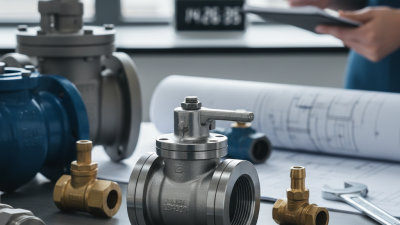
Choosing the right fluid valves for any application can be challenging. It is critical to understand the specific requirements of your system. "Fluid valves are the heart of fluid control systems," says John Smith, a leading expert in fluid technology. This highlights their importance in various industries, from manufacturing to pharmaceuticals.

When selecting fluid valves, consider pressure, temperature, and compatibility with the fluid. Each valve type has distinct features. For instance, a ball valve offers quick shut-off while a gate valve provides minimal flow resistance. Yet, it can be overwhelming given the myriad of options available. An informed choice requires introspection on your specific needs.

It’s easy to overlook the details. Many engineers get caught up in specifications and forget the application context. Maybe a cheaper option isn't the right one in the long run. Perhaps the best valve for your system isn’t the most high-tech. Every selection demands careful thought and a clear understanding of what your system truly needs.
How to Choose the Right Fluid Valves for Your Applications?

Understanding Fluid Valve Types and Their Applications

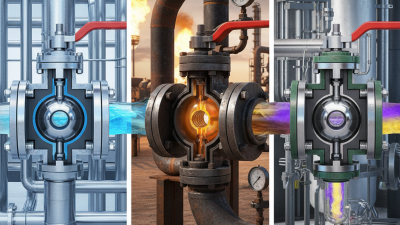
Selecting the right fluid valves is crucial for optimizing performance in various applications. Understanding the types of valves available can significantly influence the efficiency and reliability of a system. Common types of fluid valves include gate, globe, ball, and butterfly valves. Each has distinct functionalities suited for different operational needs. For instance, ball valves are often preferred for quick shut-off applications, while globe valves excel in flow regulation.

When choosing valves, consider factors like flow rate and pressure. According to industry reports, improperly selected valves can lead to a 30% increase in energy costs. This is a staggering amount, especially in large-scale operations. Ensuring compatibility with the media you are managing is equally important. Some materials may corrode with certain fluids, severely affecting valve performance.

**Tip:** Always check flow dynamics. Small adjustments can lead to significant improvements.

Another crucial aspect is the valve's ease of maintenance. Some types can be complex to service, leading to extended downtimes. Regular maintenance checks are essential to ensure longevity. Data reveals that companies that implement preventative maintenance save up to 25% in operating costs.

**Tip:** Analyze the service history of your valves. It may highlight areas needing improvement.

How to Choose the Right Fluid Valves for Your Applications?

Valve Type Operation Method Applications Advantages
Ball Valve Manual & Automatic Water supply, Oil & Gas, Chemical industries Easy to operate, Low pressure drop
Gate Valve Manual Oil & Gas, Water distribution Minimal flow resistance, Full opening capability
Globe Valve Manual & Automatic Steam, Water, Oil & Chemical processes Good throttling control, Reliable sealing
Check Valve Automatic Pumps, HVAC systems Prevents backflow, Simple design
Butterfly Valve Manual & Automatic Water treatment, HVAC, Fire protection Lightweight, Fast operation
Pressure Relief Valve Automatic Pressure systems, Boilers Prevents overpressure, Improves safety

Key Factors to Consider When Selecting Fluid Valves

Selecting the right fluid valves is essential for optimal performance. Several key factors can influence this decision. First, assess the type of fluid involved. Is it a gas, liquid, or slurry? Each requires specific valve designs. Then, consider the operating pressure and temperature. High-pressure systems need robust materials. Weak choices may lead to leaks or failures.

Another critical factor is the valve size. It should match the pipeline dimensions to avoid flow issues. Too large? You'll waste energy. Too small? You'll experience blockages. The environment also matters. Corrosive substances may require specialized coatings or materials. Reflect on your system's unique demands before making a choice.

Lastly, don’t underestimate the importance of maintenance. Some valves require more upkeep than others. If you can't commit to regular checks, you might face problems down the line. The trade-off between cost and durability can be tricky. Sometimes, a cheaper valve might cost more in the end due to replacements or repairs. Take your time in evaluating all aspects.

Factors Influencing Fluid Valve Selection

Evaluating Material Compatibility for Fluid Valves

How to Choose the Right Fluid Valves for Your Applications?

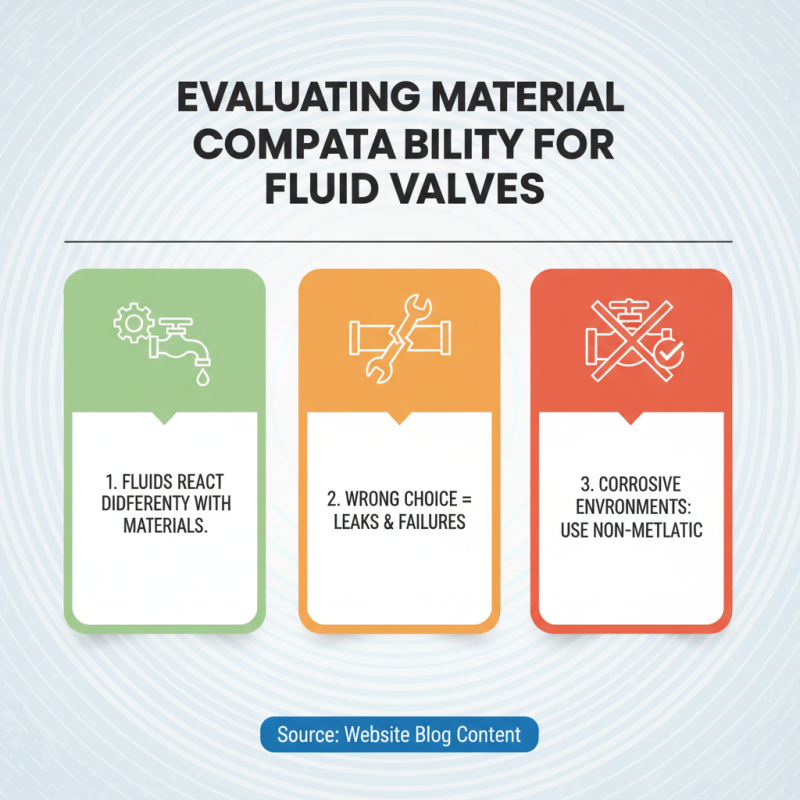
When selecting fluid valves, evaluating material compatibility is crucial. Different fluids react uniquely with various materials. Choosing the wrong material can lead to leaks and failures. Using steel valves in corrosive environments is often a mistake. Non-metallic options might work better in such cases.

Consider factors like temperature and pressure. High temperatures can weaken certain plastics. Metals can corrode under specific chemical exposures. Always check the fluid properties before making your selection. This ensures longevity and reliability.

**Tips:** Always consult material compatibility charts. They provide valuable insights into which materials withstand various substances. Conduct small-scale tests if uncertain. It’s a practical approach to identify the best fit. Remember, not every option suits every application. Reflect on your specific needs before deciding.

Assessing Pressure and Temperature Ratings for Valves

When selecting fluid valves for specific applications, assessing pressure and temperature ratings is crucial. Valves operate under various conditions, and the right specifications ensure safety and efficiency. According to a report by the Fluid Control Institute, over 40% of valve failures stem from incorrect pressure ratings. This can lead to leaks or catastrophic failures. A thorough understanding of application demands is essential to prevent such issues.

Temperature ratings also play a vital role in valve performance. Many industrial applications run at extreme temperatures. For example, valves used in chemical processing often exceed 300°F. Inappropriate material selection can result in deformation. A study by the American Society of Mechanical Engineers shows that 30% of valve malfunctions are temperature-related. It's necessary to consult material compatibility charts for precise matches.

It's easy to overlook these ratings. Some engineers may prioritize cost over specifications. This mistake can be costly. In some cases, valve failures led to production downtime that lasted weeks. Therefore, it is crucial to verify that chosen valves meet or exceed the pressure and temperature requirements of the intended application.

Ensuring Proper Sizing and Flow Requirements for Valves

How to Choose the Right Fluid Valves for Your Applications?

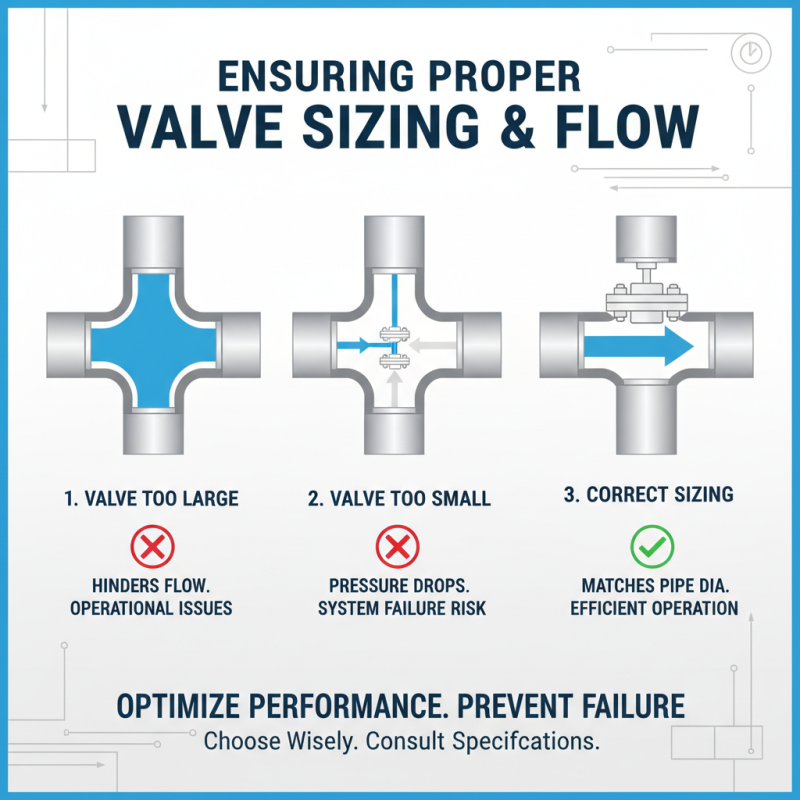
Choosing the right fluid valves requires careful attention to sizing and flow requirements. The size of a valve must match the pipe diameter. An oversized valve can hinder flow, while an undersized valve may cause pressure drops. This imbalance can lead to operational issues or even system failure.

Flow requirements are equally important. Understanding the fluid type, temperature, and pressure will help in selecting the right valve. Different fluids behave differently. For instance, a viscous liquid may not flow the same way as a gas at the same pressure. Real-world conditions can be unpredictable. It's crucial to evaluate the system's performance after installation.

In some cases, users may underestimate flow demands during initial selection. This oversight can become apparent only after the system is running. Regularly reviewing flow rates can help identify mismatches. Consider conducting tests. This will provide data on how well the valve performs in practice. Factors like pressure spikes or unexpected changes can reveal weaknesses in your initial choices.

Copyright 2025 Fluidra S.A. | Created by BCM Marketing Agencia Privacy Policy Legal note | Cookie policy |

Technical cookies are strictly necessary for our website to work and you can navigate through it. These types of cookies are those that, for example, allow us to identify you, give you access to certain restricted parts of the page if necessary, or remember different options or services already selected by you, such as your privacy preferences. Therefore, they are activated by default, your authorization not being necessary in this regard. Through the configuration of your browser, you can block or alert the presence of this type of cookies, although such blocking will affect the proper functioning of the different functionalities of our website.


The analysis cookies allow us to study the navigation of the users of our website in general (for example, which sections of the page are the most visited, which services are used most and if they work correctly, etc.). From the statistical information on navigation on our website, we can improve both the operation of the page itself and the different services it offers. Therefore, these cookies do not have an advertising purpose, but only serve to make our website work better, adapting to our users in general. By activating them you will contribute to this continuous improvement. You can enable or disable these cookies by checking the corresponding box, being disabled by default.


Functionality cookies allow us to remember your preferences, to personalize certain characteristics and general options of our website, every time you access it (for example, the language in which the information is presented to you, the sections marked as favorites, your browser type, etc.) Therefore, this type of cookies does not have an advertising purpose, but by activating them you will improve the functionality of the website (for example, adapting to your type of browser) and the customization of it based on your preferences (for example, by presenting the information in the language that you have chosen in previous occasions), which will contribute to the ease, usability and comfort of our page during your navigation. You can enable or disable these cookies by checking the corresponding box, being disabled by default.


Advertising cookies allow us to manage the advertising spaces included in our website based on criteria such as the content shown or the frequency in which the ads are displayed. For example, if you have been shown the same ad several times on our website, and you have not shown a personal interest by clicking on it, it will not appear again. In summary, by activating this type of cookies, the advertising shown on our website will be more useful and diverse, and less repetitive. You can enable or disable these cookies by checking the corresponding box, being disabled by default.


Behavioral advertising cookies allow us to obtain information based on the observation of your browsing habits and behaviors on the web, in order to show you advertising content that best suits your personal tastes and interests. To understand it in a very simple way, we will give you a fictitious example: if your last searches on the web were related to suspense literature, we would show you advertising about suspense books. Therefore, activating this type of cookies, the advertising that we show you on our website will not be generic, but will be oriented to your searches, tastes and interests, therefore adjusting exclusively to you. You can enable or disable these cookies by checking the corresponding box, being disabled by default.
To understand it in a very simple way, we will give you a fictitious example: if your last searches on the web were related to suspense literature, we would show you advertising about suspense books. Therefore, activating this type of cookies, the advertising that we show you on our website will not be generic, but will be oriented to your searches, tastes and interests, therefore adjusting exclusively to you. You can enable or disable these cookies by checking the corresponding box, being disabled by default.

SAVE

We use our own and third-party cookies to ensure the proper functioning of the website and to analyse our services, improve your experience on our website and show you advertisements related to your interests according to profiling based on your browsing habits (e.g. websites visited). You can accept all cookies by clicking "ACCEPT" or set or reject them by clicking here. If you would like to know more about the use of cookies, please see our COOKIE POLICY.


ACCEPT ALL
Reject no essentials