
How to Choose the Right Coolant Hose Clamp for Your Needs?
FLUID HANDLING EXPERTS

Blog, all our news

How to Choose the Right Coolant Hose Clamp for Your Needs?

Selecting the correct Coolant Hose Clamp is crucial for vehicle maintenance. According to John Smith, a seasoned automotive engineer, "Choosing the right clamp can prevent leaks and costly repairs." Coolant hose clamps are vital components that ensure hoses remain secure and functional.

When selecting a coolant hose clamp, consider your vehicle's requirements. Different hoses have varying diameters and materials. Some clamps are adjustable, while others are fixed. Understanding these differences can make a significant impact on performance.

Keep in mind that not all clamps are created equal. Poor choices can lead to failures. Investing in a high-quality coolant hose clamp is a step toward avoiding future automotive issues. Always consult with specialists or trusted sources to guide your decision. Your engine's health relies on it.
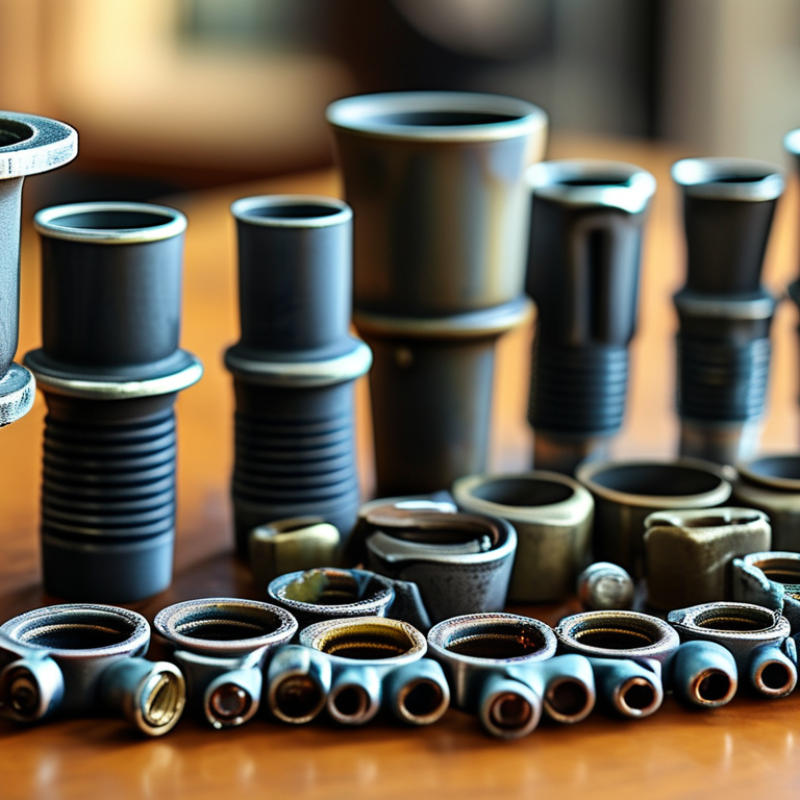
How to Choose the Right Coolant Hose Clamp for Your Needs?

Understanding the Function of Coolant Hose Clamps

Coolant hose clamps play a crucial role in any vehicle's cooling system. They secure the coolant hoses to ensure they don't leak under pressure. A proper clamp maintains the connection between the hose and the radiator or engine block, preventing costly damage. When choosing a clamp, consider the size and material. A stainless steel clamp offers durability and resistance to corrosion.

It's essential to understand the function of each type of clamp. Worm gear clamps adjust with a screw mechanism. This feature allows for a tight fit, which is vital for high-pressure systems. On the other hand, spring clamps are useful for hoses that expand and contract. These clamps provide a secure grip without the risk of over-tightening.

Not all clamps work for every application. Sometimes, a clamp may look suitable but fails under specific conditions. This failure may lead to leaks or even overheating. Regularly checking your clamps is necessary, as wear can impact their effectiveness. Consider the operating environment, as extreme temperatures can affect performance. The right choice can save you from future headaches.

How to Choose the Right Coolant Hose Clamp for Your Needs? - Understanding the Function of Coolant Hose Clamps

Clamp Type Material Temperature Range (°C) Pressure Rating (PSI) Usage
Spring Clamp Stainless Steel -40 to 120 20-50 Automotive
Screw Clamp Zinc-Plated Steel -30 to 80 30-100 General Purpose
Radiator Hose Clamp Plastic -20 to 100 15-30 Radiator Applications
Wire Hose Clamp Galvanized Steel -10 to 70 10-25 Flexible Hoses
Ear Clamp Stainless Steel -40 to 120 20-70 Heavy Duty

Common Types of Coolant Hose Clamps and Their Applications

When selecting the right coolant hose clamp, understanding the various types available is crucial. The most common are screw clamps, spring clamps, and constant tension clamps. Screw clamps are versatile and widely used. They have a simple design, allowing for easy adjustments. However, over-tightening can damage the hose, which might lead to leaks.

Spring clamps offer a different approach. They maintain a consistent grip on the hose as temperatures change. This type is often found in automotive applications. But their installation can be challenging, especially in tight spaces. Constant tension clamps are also effective, adapting to fluctuations in pressure and temperature. This ensures a secure fit over time.

Choosing the best clamp for your needs can be tricky. Each type has its own advantages and drawbacks. Many may overlook the importance of proper installation. A poorly installed clamp can result in leaks, affecting the entire cooling system. Attention to detail is essential for optimal performance. Evaluating your specific application can guide you toward the most suitable option.

Factors to Consider When Choosing a Coolant Hose Clamp

When selecting a coolant hose clamp, several factors demand attention. The material composition of the clamp is paramount. Stainless steel and galvanized steel are common, offering durability and resistance to corrosion. According to a report from the Global Industrial Fasteners Market, the demand for stainless steel clamps is anticipated to grow by 7% annually due to their long service life. Choosing the right material can significantly affect performance and longevity.

Next, consider the size and fit. Utilizing the incorrect size can lead to leaks and system failures. A survey by the American Society of Mechanical Engineers (ASME) indicated that improper sizing was a primary cause of cooling system malfunctions in 35% of reported cases. Users need to measure hose diameter accurately before making a selection. Clamps must fit snugly without excessive tension, which could damage hoses.

Another critical aspect is the clamp design. Some are easier to install than others. For example, a T-bolt design provides better grip under pressure compared to worm gear clamps. A study by the International Journal of Mechanical Engineering highlighted that design affects stress distribution, influencing clamp effectiveness. Evaluate your specific application’s demands to ensure optimal functionality.

Installation Tips for Properly Fitting Coolant Hose Clamps

When installing a coolant hose clamp, it’s crucial to ensure a secure fit. Start by cleaning the hose and fittings. Any debris can compromise the seal and lead to leaks. Take your time. Rushing this step often results in mistakes.

Next, position the clamp evenly on the hose. This allows for optimal pressure distribution. Avoid overtightening, which can damage the hose. A snug fit is sufficient. If the hose is too loose after installation, consider replacing it. A proper seal is essential for coolant flow and engine performance.

Monitor the installation periodically. Look for signs of wear or leakage. Address any issues immediately to avoid more significant problems. Mistakes made during installation can lead to costly repairs. Don’t overlook this important aspect of vehicle maintenance.

Maintenance Practices for Extending Clamp Lifespan

When it comes to coolant hose clamps, maintenance is essential. Regular checks can prevent costly repairs later. A visual inspection helps identify wear and tear. Look for corrosion or deformation. These signs indicate it’s time to replace the clamp. Ensure the clamp is tight, but not overly so. Over-tightening can damage the hose.

Proper installation of the clamp is crucial. Use the correct tools to secure it properly. Incorrect installation leads to leaks and other issues. Periodic cleaning of the clamp and surrounding area can extend its life. Dirt and grime can cause issues over time. Aim to maintain a clean working environment around the clamps.

Document the maintenance routine you follow. Keeping a log of inspections can help you track performance. Learn from past mistakes to improve future maintenance. Ensuring regular care prevents unexpected failures. Being proactive will save time and resources in the long run.

Coolant Hose Clamp Types vs. Lifespan in Maintenance Practices

Copyright 2025 Fluidra S.A. | Created by BCM Marketing Agencia Privacy Policy Legal note | Cookie policy |

Technical cookies are strictly necessary for our website to work and you can navigate through it. These types of cookies are those that, for example, allow us to identify you, give you access to certain restricted parts of the page if necessary, or remember different options or services already selected by you, such as your privacy preferences. Therefore, they are activated by default, your authorization not being necessary in this regard. Through the configuration of your browser, you can block or alert the presence of this type of cookies, although such blocking will affect the proper functioning of the different functionalities of our website.


The analysis cookies allow us to study the navigation of the users of our website in general (for example, which sections of the page are the most visited, which services are used most and if they work correctly, etc.). From the statistical information on navigation on our website, we can improve both the operation of the page itself and the different services it offers. Therefore, these cookies do not have an advertising purpose, but only serve to make our website work better, adapting to our users in general. By activating them you will contribute to this continuous improvement. You can enable or disable these cookies by checking the corresponding box, being disabled by default.


Functionality cookies allow us to remember your preferences, to personalize certain characteristics and general options of our website, every time you access it (for example, the language in which the information is presented to you, the sections marked as favorites, your browser type, etc.) Therefore, this type of cookies does not have an advertising purpose, but by activating them you will improve the functionality of the website (for example, adapting to your type of browser) and the customization of it based on your preferences (for example, by presenting the information in the language that you have chosen in previous occasions), which will contribute to the ease, usability and comfort of our page during your navigation. You can enable or disable these cookies by checking the corresponding box, being disabled by default.


Advertising cookies allow us to manage the advertising spaces included in our website based on criteria such as the content shown or the frequency in which the ads are displayed. For example, if you have been shown the same ad several times on our website, and you have not shown a personal interest by clicking on it, it will not appear again. In summary, by activating this type of cookies, the advertising shown on our website will be more useful and diverse, and less repetitive. You can enable or disable these cookies by checking the corresponding box, being disabled by default.


Behavioral advertising cookies allow us to obtain information based on the observation of your browsing habits and behaviors on the web, in order to show you advertising content that best suits your personal tastes and interests. To understand it in a very simple way, we will give you a fictitious example: if your last searches on the web were related to suspense literature, we would show you advertising about suspense books. Therefore, activating this type of cookies, the advertising that we show you on our website will not be generic, but will be oriented to your searches, tastes and interests, therefore adjusting exclusively to you. You can enable or disable these cookies by checking the corresponding box, being disabled by default.
To understand it in a very simple way, we will give you a fictitious example: if your last searches on the web were related to suspense literature, we would show you advertising about suspense books. Therefore, activating this type of cookies, the advertising that we show you on our website will not be generic, but will be oriented to your searches, tastes and interests, therefore adjusting exclusively to you. You can enable or disable these cookies by checking the corresponding box, being disabled by default.

SAVE

We use our own and third-party cookies to ensure the proper functioning of the website and to analyse our services, improve your experience on our website and show you advertisements related to your interests according to profiling based on your browsing habits (e.g. websites visited). You can accept all cookies by clicking "ACCEPT" or set or reject them by clicking here. If you would like to know more about the use of cookies, please see our COOKIE POLICY.


ACCEPT ALL
Reject no essentials



