Choosing the right PVC valves and fittings is crucial for any project. These components play a significant role in various industries, including plumbing, agriculture, and industrial applications. According to a report by Freedonia Group, demand for PVC fittings is projected to grow by 3.5% annually. This growth highlights the increasing reliance on these materials for reliable and efficient systems.
When selecting PVC valves and fittings, one must consider factors like pressure ratings, temperature resistance, and the specific chemical compatibility required for your project. Experts emphasize that even minor oversights in these considerations can lead to leaks or system failures. The global PVC market has expanded, indicating that professional insight is essential for making informed choices.
While PVC offers many benefits, including lightweight and corrosion resistance, it is not without challenges. Some limitations exist regarding flexibility and temperature constraints. Therefore, evaluating both the advantages and disadvantages of PVC valves and fittings is vital. This careful approach can ultimately enhance durability and performance in your project.
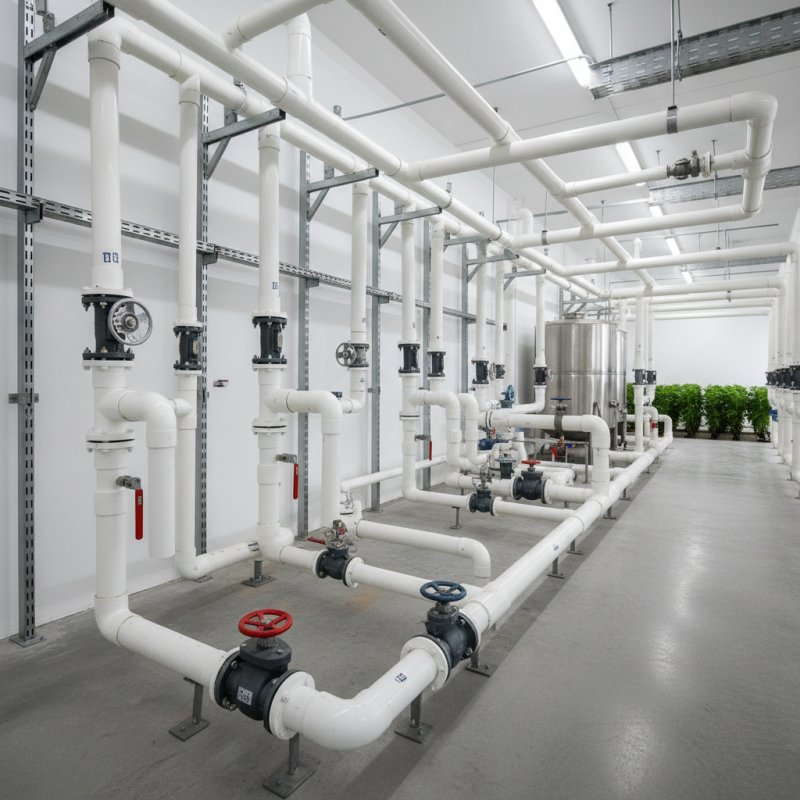
When working with PVC valves and fittings, understanding their basics is crucial. PVC, or polyvinyl chloride, is a popular material in plumbing due to its durability and resistance to corrosion. According to the Plastics Pipe Institute, PVC presents less waste and greater efficiency in pipe systems. It is lightweight, making it easier to transport and install.
Tips: Always check the pressure rating of your chosen valves. Optimal performance often relies on matching valve ratings to your project’s specific needs.
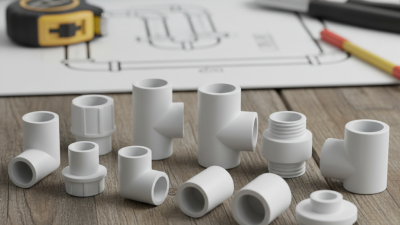
PVC fittings come in various shapes and sizes, including elbows, tees, and couplings. Selecting the correct type is essential. A poorly chosen fitting can lead to leaks, which could damage your project. The American Society of Plumbing Engineers states that leaks in plumbing systems can waste thousands of gallons of water yearly.
Tips: Consider using solvent cement for a strong bond. Properly prepared surfaces are key to achieving maximum strength.
It's also essential to match materials properly. PVC should not be used with certain chemicals or under extreme temperatures. Always refer to manufacturer guidelines for compatibility. The reliability of your project hinges on these small details. Choosing the wrong component can lead to expensive fixes later on.
| Type | Material | Pressure Rating (PSI) | Size (Inches) | Application |
|---|---|---|---|---|
| Ball Valve | PVC | 150 | 1/2 - 4 | Water Systems |
| Gate Valve | PVC | 100 | 1 - 6 | Wastewater Systems |
| Check Valve | PVC | 80 | 1 - 3 | Irrigation Systems |
| Coupling | PVC | N/A | 1/2 - 8 | Joining Pipes |
| Elbow Fitting | PVC | N/A | 1/2 - 6 | Directional Changes |
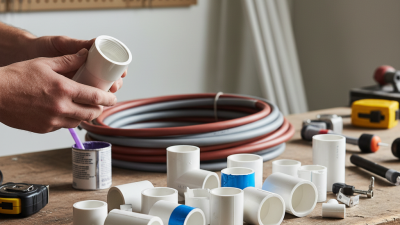
Identifying project requirements for PVC components is crucial. Start by defining the project scope. Consider factors like the type of fluid, pressure, and temperature. Each application might have unique needs. For instance, wastewater systems require specific standards compared to drinking water systems. Knowing these details helps in selecting the right PVC valves and fittings.
Next, evaluate the environment where the components will be installed. High humidity or exposure to sunlight can impact material choice. Make sure the fittings can withstand these conditions. Sometimes, required specs may seem conflicting. You might find that durable options are more expensive, but they can save money in maintenance later.
Ensure you check the compatibility of your chosen components. PVC fittings must match the pipe sizes and types. Misalignment can lead to leaks and failures. Take your time to assess each requirement thoroughly. This attention to detail can prevent costly mistakes down the line. Revisit your criteria as the project evolves, adapting as necessary. Understanding every aspect will lead to a successful outcome.
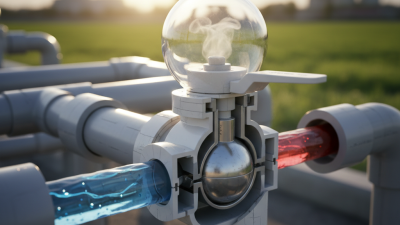
When evaluating different types of PVC valves, it’s essential to understand their specific applications.
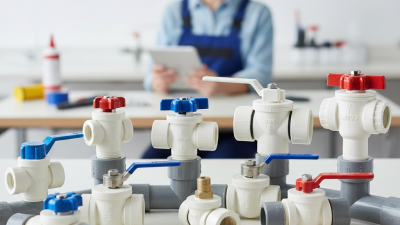
PVC ball valves are popular for their durability and resistance to corrosion.
They work well for shutting off flow in irrigation systems or chemical processes. On the other hand,
PVC check valves permit fluid to flow in one direction, making them ideal for preventing backflow in drainage systems.
Tips: Consider your system's pressure and
temperature when choosing valves. This information is crucial for optimal performance and longevity.
Always inspect fittings for compatibility with your existing structure to avoid leaks.
Another common type is the PVC gate valve, which is excellent for regulating flow.
They can be found in pools or water treatment plants, where precise flow control is necessary. However, they can be more challenging to maneuver than ball valves.
Checking for signs of wear and tear regularly is advisable, as neglect can lead to failures.
Tips: Always refer to PVC specifications when selecting fittings.
This adherence helps maintain the integrity of your system. A small oversight in valve selection can result in significant issues later on.
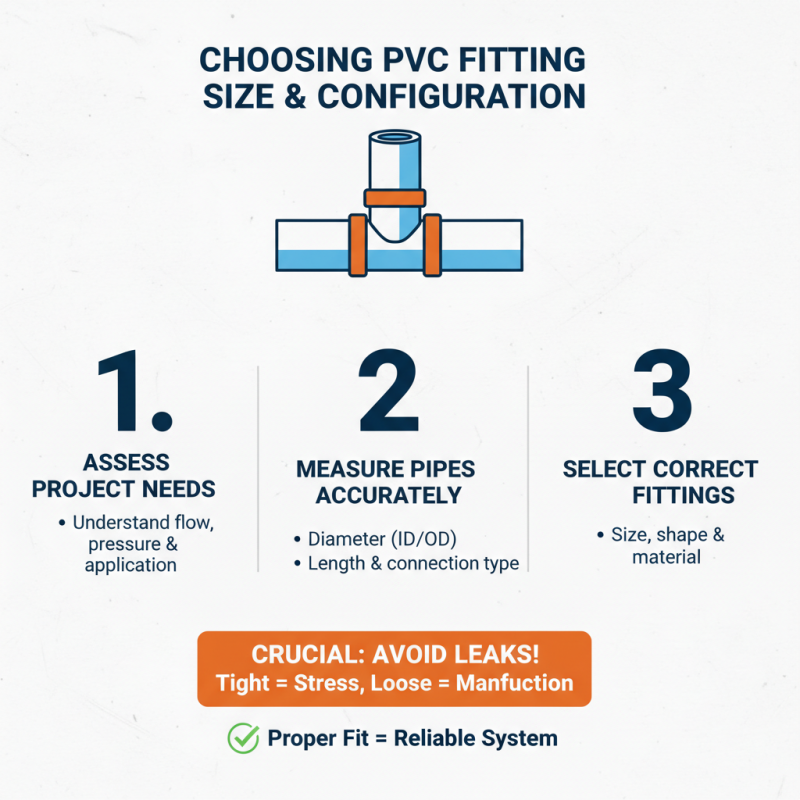
When selecting PVC valves and fittings, size and configuration are crucial. Understand your project's requirements first. Take measurements of the pipes to ensure a proper fit. Overly tight or loose fittings can lead to leaks or malfunctions.
Choosing the right fitting also involves understanding flow direction and pressure ratings. Ensure your fittings can handle the required pressure without failure. It’s important to consider the specific environment too, such as temperature and exposure to chemicals.
**Tip:** Always test a small section of your project. This practice helps identify potential issues early on.
Don’t overlook the need for flexible configurations. Often, projects demand custom setups. Reflect on traditional methods and consider new angles to optimize your plumbing system. Flexibility in design can save time and costs in the long run.
**Tip:** Document your choices. Keeping track of what works and what doesn’t can guide future projects. This way, you can build on past experiences.
When installing PVC valves and fittings, the right tools make all the difference. Use a pipe cutter for clean edges, ensuring a precise fit. Deburring the cut edges is essential. It prevents leaks and eases the assembly process. Pay attention to the joining method, whether solvent welding or threaded fittings. Each requires different techniques for a strong seal.
Regular maintenance can prolong the lifespan of PVC components. Inspect connections for signs of wear or leakage. It's easy to overlook minor issues, but they can lead to bigger problems. Replacing worn parts promptly can save time and costs later. Clean fittings periodically to prevent buildup that affects flow rates. Remember, over-tightening can lead to cracks. Finding that balance is key.

Cepex is the brand for the fluid handling market belonging to the Fluidra group. One of the leading european manufacturer of valves and fittings in thermoplastic materials.
Dedicated to the swimming pool, irrigation and industrial markets, we distribute our products worldwide with the Fluidra commercial network and presence in 46 countries with 136 sales branches.