
How to Choose the Best Machine Tool Castings for Your Needs?
FLUID HANDLING EXPERTS

Blog, all our news

How to Choose the Best Machine Tool Castings for Your Needs?

Selecting the right Machine Tool Castings can be a daunting task. Experts in the industry highlight the importance of making an informed choice. Sam Thompson, a renowned specialist in casting and manufacturing, once stated, “The quality of your castings determines the efficiency of your machines.” This underlines the significance of understanding your specific needs.

Choosing Machine Tool Castings involves more than just picking a supplier. Factors such as material quality, machining precision, and durability must be considered. It is vital to evaluate how these factors impact machine performance. A wrong choice can lead to increased costs and inefficiencies over time.

Furthermore, communication with manufacturers is crucial. Engaging with them can provide insights into the best options suited for your applications. Transparency in their processes and experience can offer trust. Nevertheless, it's important to remain critical. Not all suppliers will offer the same standards. Analyzing various perspectives can lead to a better decision, ensuring that your Machine Tool Castings align with your operational goals.
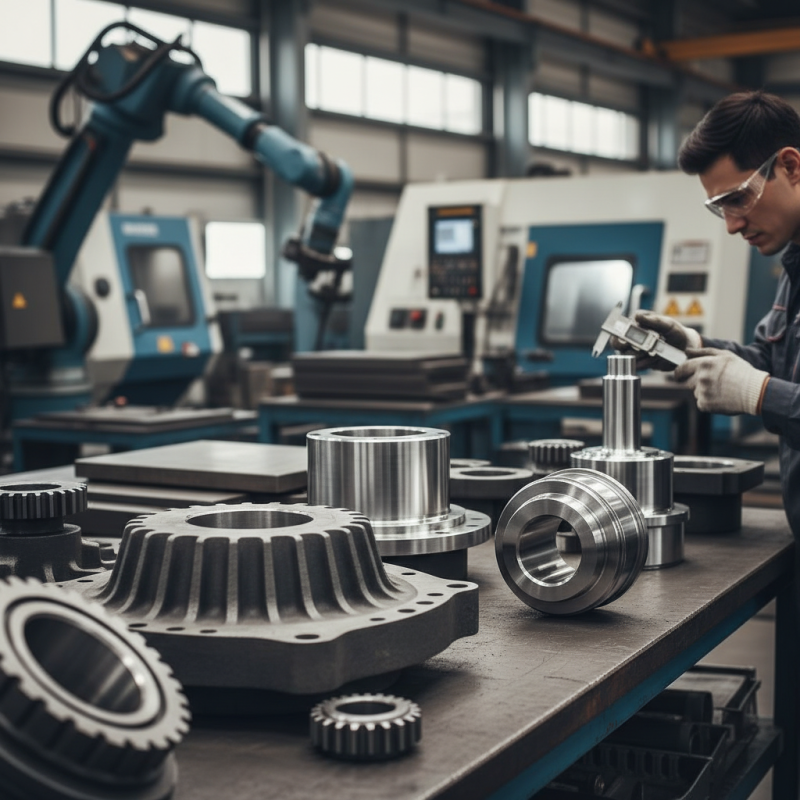
How to Choose the Best Machine Tool Castings for Your Needs?

Factors to Consider When Selecting Machine Tool Castings

Selecting the right machine tool castings is crucial for achieving efficiency in manufacturing. Start by considering the material. Cast iron, for instance, offers durability and good vibration dampening. Evaluate the specific requirements of your projects. Different jobs may demand different properties.

Next, focus on the design of the castings. Complex shapes may require advanced techniques. Ask if the casting can endure the stresses of your operations. Pay attention to imperfections in the castings. Even minor flaws can impact functionality. It’s essential to assess the casting quality through visual inspection and measurements.

Finally, think about the machining process. Will the castings fit into your existing setup? Compatibility with current tools is vital. A mismatch can lead to inefficiency. Reflecting on your specific needs and the capabilities of the castings will help you make a more informed decision. Keep a checklist of what you value most, like strength, weight, and cost.

Material Selection: Types and Properties of Cast Iron and Aluminum

When it comes to machine tool castings, material selection is crucial. Two common options are cast iron and aluminum. Cast iron is known for its durability and excellent wear resistance. It can withstand high temperatures, making it suitable for heavy-duty applications. However, it is also heavier and can be more brittle than aluminum. Choosing cast iron means considering its susceptibility to corrosion if not properly coated.

Aluminum offers a lightweight alternative, which is highly valued for its machinability. Its excellent thermal conductivity makes it suitable for applications where heat dissipation is a concern. Nevertheless, aluminum might not handle extreme stress as well as cast iron. It's important to reflect on the specific requirements of your projects. Do you need strength and durability, or are weight and ease of machining your priorities? Each material brings its own strengths and weaknesses, demanding careful thought.

Ultimately, the decision will depend on your specific needs. Understanding the properties of cast iron and aluminum is vital. Reflecting on your project’s demands can guide you to make the right choice. Don't rush this process. Consider long-term impacts and performance factors.

Understanding Tolerance Levels and Their Impact on Performance

When selecting machine tool castings, understanding tolerance levels is crucial. Tolerance determines how much a part may vary from its desired dimensions. This variation can significantly affect performance. A small deviation in tolerance can lead to fit issues, affecting both accuracy and functionality. Therefore, it’s essential to choose castings that meet your specific tolerance requirements.

Tip: Consider the application of the part. High-precision tasks require tighter tolerances. For less critical uses, looser tolerances may suffice. Consult with your engineering team to assess these needs thoroughly.

Another factor is material choice. Different materials react differently within tolerance ranges. Some may warp, while others maintain shape well. It’s important to understand how the chosen material will perform under your operational conditions. Incorrect material selection may lead to frequent part failures.

Tip: Don’t just look at the specs. Evaluate how the castings have performed in real-world applications. Always seek feedback from users in similar industries or applications. This real-world insight can provide invaluable knowledge that goes beyond theoretical specifications.

Cost Analysis: Balancing Quality and Budget in Machine Tool Castings

When selecting machine tool castings, a cost analysis is crucial. Balancing quality and budget often poses challenges. Industry reports indicate that the average cost of castings can vary by up to 30%, depending on materials. High-grade castings often yield better performance and longevity. However, opting for cheaper alternatives may lead to higher maintenance costs over time.

A study by the American Foundry Society highlights that about 70% of manufacturers regret poor casting decisions, mainly due to unforeseen expenses. Such issues often arise from inadequate market research and comparison. Investing in quality may seem daunting at first, yet it can pay off significantly in operational efficiency and reduced downtime.

It's essential to analyze specific project needs before making decisions. Quality castings might come with a higher upfront cost, yet they typically require less frequent replacements. Keep in mind that not all casting suppliers offer the same level of precision. Asking the right questions can unearth the details that matter. Always weigh the long-term implications of your choices against short-term savings.

Cost Analysis of Machine Tool Castings

The Role of Supplier Reputation and Certification in Your Choice

When selecting machine tool castings, supplier reputation and certification play crucial roles. A reputable supplier signals quality and reliability. Their experience in the industry often reflects their ability to meet specific needs. Certifications from recognized organizations further assure that the products adhere to industry standards. This can lead to better performance and durability.

Tips: Always verify the supplier's credentials. Look for customer reviews and feedback. A solid track record will provide peace of mind. Don’t hesitate to ask for references. Engaging with other customers can reveal insights that aren't available in promotional materials.

Certification is not just a formality. It ensures that the materials and processes used are up to standard. A lack of proper certification may lead to subpar products. This choice could impact your operations badly. Sometimes, a supplier with lesser-known certifications might offer more innovative solutions. Assess the relevance of these certifications to your specific use case.

In the end, it’s about striking a balance. Relying solely on reputation may not suffice. Ensure that the supplier's certifications are relevant to your needs. This reflective approach will guide you toward the best machine tool castings.

Copyright 2025 Fluidra S.A. | Created by BCM Marketing Agencia Privacy Policy Legal note | Cookie policy |

Technical cookies are strictly necessary for our website to work and you can navigate through it. These types of cookies are those that, for example, allow us to identify you, give you access to certain restricted parts of the page if necessary, or remember different options or services already selected by you, such as your privacy preferences. Therefore, they are activated by default, your authorization not being necessary in this regard. Through the configuration of your browser, you can block or alert the presence of this type of cookies, although such blocking will affect the proper functioning of the different functionalities of our website.


The analysis cookies allow us to study the navigation of the users of our website in general (for example, which sections of the page are the most visited, which services are used most and if they work correctly, etc.). From the statistical information on navigation on our website, we can improve both the operation of the page itself and the different services it offers. Therefore, these cookies do not have an advertising purpose, but only serve to make our website work better, adapting to our users in general. By activating them you will contribute to this continuous improvement. You can enable or disable these cookies by checking the corresponding box, being disabled by default.


Functionality cookies allow us to remember your preferences, to personalize certain characteristics and general options of our website, every time you access it (for example, the language in which the information is presented to you, the sections marked as favorites, your browser type, etc.) Therefore, this type of cookies does not have an advertising purpose, but by activating them you will improve the functionality of the website (for example, adapting to your type of browser) and the customization of it based on your preferences (for example, by presenting the information in the language that you have chosen in previous occasions), which will contribute to the ease, usability and comfort of our page during your navigation. You can enable or disable these cookies by checking the corresponding box, being disabled by default.


Advertising cookies allow us to manage the advertising spaces included in our website based on criteria such as the content shown or the frequency in which the ads are displayed. For example, if you have been shown the same ad several times on our website, and you have not shown a personal interest by clicking on it, it will not appear again. In summary, by activating this type of cookies, the advertising shown on our website will be more useful and diverse, and less repetitive. You can enable or disable these cookies by checking the corresponding box, being disabled by default.


Behavioral advertising cookies allow us to obtain information based on the observation of your browsing habits and behaviors on the web, in order to show you advertising content that best suits your personal tastes and interests. To understand it in a very simple way, we will give you a fictitious example: if your last searches on the web were related to suspense literature, we would show you advertising about suspense books. Therefore, activating this type of cookies, the advertising that we show you on our website will not be generic, but will be oriented to your searches, tastes and interests, therefore adjusting exclusively to you. You can enable or disable these cookies by checking the corresponding box, being disabled by default.
To understand it in a very simple way, we will give you a fictitious example: if your last searches on the web were related to suspense literature, we would show you advertising about suspense books. Therefore, activating this type of cookies, the advertising that we show you on our website will not be generic, but will be oriented to your searches, tastes and interests, therefore adjusting exclusively to you. You can enable or disable these cookies by checking the corresponding box, being disabled by default.

SAVE

We use our own and third-party cookies to ensure the proper functioning of the website and to analyse our services, improve your experience on our website and show you advertisements related to your interests according to profiling based on your browsing habits (e.g. websites visited). You can accept all cookies by clicking "ACCEPT" or set or reject them by clicking here. If you would like to know more about the use of cookies, please see our COOKIE POLICY.


ACCEPT ALL
Reject no essentials


