
How to Choose the Right HSS Circular Saw Blade for Your Needs?
FLUID HANDLING EXPERTS

Blog, all our news

How to Choose the Right HSS Circular Saw Blade for Your Needs?

Choosing the right hss circular saw blade can greatly impact your project’s success. These blades are essential for efficient cutting in various materials. However, many users face challenges in selecting the ideal blade for their specific needs.

Consider the type of projects you undertake. Are you cutting metal, wood, or plastic? Different materials require different hss circular saw blade specifications. Blade teeth count, diameter, and thickness play crucial roles in performance. It’s easy to overlook these details, but they can affect the quality of your cuts.

Reflecting on your experiences can lead to better choices. Have you encountered issues with durability or precision before? Understanding past mistakes can guide future purchases. An informed decision relies on research and knowledge about the blades best suited to your cutting tasks. Take the time to assess your requirements and invest in the right tool.
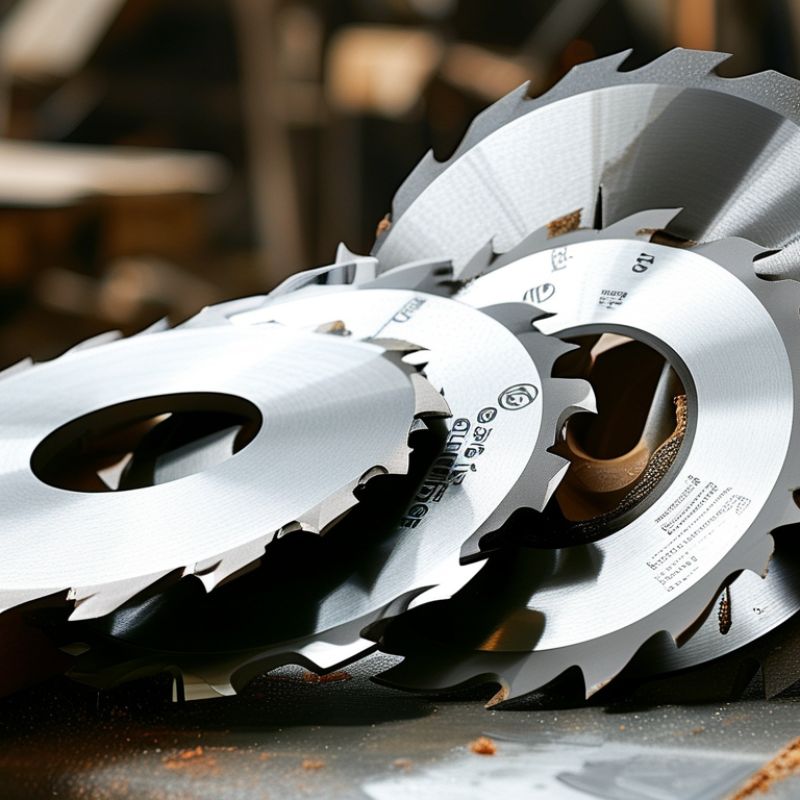
How to Choose the Right HSS Circular Saw Blade for Your Needs?

Understanding HSS Circular Saw Blades and Their Applications

When selecting a High-Speed Steel (HSS) circular saw blade, understanding its applications is crucial. HSS blades excel in cutting a variety of materials including metal, hardwood, and composites. The unique properties of HSS allow for enhanced durability and heat resistance. This means fewer blade changes during a project, improving efficiency.

Different types of HSS blades cater to specific cutting tasks. For instance, blades with fewer teeth offer faster cuts, while those with more teeth provide smoother finishes. However, the choice isn't always clear. Sometimes, an ideal blade for one job may underperform in another. Consider conducting small test cuts to find the right balance between speed and finish for your needs.

The thickness of the material also matters. Thicker materials require robust blades, while thin sheets may need finer teeth for accuracy. It's essential to question whether your current blade meets these requirements. Reflections on past cutting experiences can guide your decision-making process. Finding the right HSS blade can significantly impact your project's success.

How to Choose the Right HSS Circular Saw Blade for Your Needs?

Blade Type Material Cut Tooth Count Cutting Speed Application
High-Speed Steel (HSS) Blade Steel, Aluminum 24-32 Moderate General Purpose Cutting
High-Speed Steel Chamfer Blade Metal, Wood 20-28 Fast Chamfering Edges
HSS Circular Blade with Coating Plastic, MDF 60-80 High Speed Fine Cutting Finishes
General HSS Blade Wood, Softwood 30-40 Standard Carpentry and Woodworking
HSS Metal Cutting Blade Stainless Steel, Steel 18-24 Slow to Moderate Metal Fabrication

Factors to Consider When Selecting HSS Circular Saw Blades

Choosing the right HSS circular saw blade requires careful consideration of several factors. One crucial aspect is the material you plan to cut. Different materials, such as wood, metal, or plastic, require different blade types for optimal performance. Understanding the material properties can guide your selection. For example, cutting harder metals may need a blade with finer teeth for a clean edge. Always assess your project requirements before making a decision.

A second factor is the tooth configuration. Blades come with varying tooth counts and shapes, which affect cutting speed and finish quality. A blade with fewer teeth can make faster cuts but may not provide a smooth finish. Conversely, a high tooth count offers precision but runs slower. Experimenting with different configurations may help you identify the best fit.

For those new to using HSS blades, practicing on scrap material can provide valuable insights. Trying out various cuts can help you understand what works best in different scenarios. Keep in mind that imperfections in your blade or technique can impact performance. This reflective practice can lead to discovering the blade that truly meets your needs.

Different Types of HSS Circular Saw Blades and Their Uses

When selecting HSS (High-Speed Steel) circular saw blades, understanding their diverse types is essential. These blades come in various designs, optimized for specific materials. Common types include general-purpose, fine tooth, and carbide-tipped blades. Each type serves a unique function in cutting metal, wood, or plastic. For example, general-purpose blades are versatile, while fine tooth blades are ideal for cleaner cuts.

According to industry reports, using the correct blade can enhance cutting efficiency by almost 30%. A 2022 study indicates that carbide-tipped blades offer 2-3 times longer life compared to standard HSS. This longevity can reduce overall replacement costs significantly. However, it's crucial to note that not every type is suitable for all projects. A mismatch can lead to poor results or even damage to the material being worked on.

Understanding your specific needs is vital before choosing the right blade. For instance, thicker materials may require teeth with larger gapes, while intricate designs benefit from finer teeth. Some users may overlook how blade thickness impacts cutting quality. Industry experts recommend checking the blade specifications carefully, as this often dictates performance and durability.

Tips for Maintaining HSS Circular Saw Blades for Longevity

Maintaining HSS circular saw blades is crucial for their longevity. Regular maintenance can significantly enhance performance and extend lifespan. According to industry research, properly maintained blades can see longevity improvements of up to 50%. This means fewer replacements and increased productivity.

Keep the blades clean. Residue build-up can impair cutting efficiency. A straightforward cleaning regimen using a soft brush and mild detergent can help maintain optimal performance. It’s also essential to inspect the blades often. Look for signs of wear or damage. Professional recommendations suggest replacing blades when more than 10% of the teeth show significant wear. Regular sharpening is key for precision. Sharp blades cut cleaner and require less force, reducing strain on both the operator and the saw itself.

Lubrication can also play a vital role. It reduces friction during cuts, which directly impacts heat generation. Excess heat can lead to premature wear, affecting cutting accuracy. Additionally, ensure proper storage. Blades should be stored in a dry, clean environment to avoid rust and damage. Positioning them correctly prevents misalignment, which can cause further issues. Maintaining HSS circular saw blades involves consistent effort but is essential for achieving optimal cutting results.

Common Mistakes to Avoid When Choosing HSS Circular Saw Blades

Choosing the right HSS circular saw blade is crucial for achieving precise cuts and ensuring material integrity. A common mistake is overlooking the material type. Each type of metal, wood, or composite requires a specific blade design. For instance, cutting aluminum may require a different tooth geometry than cutting hardwood. According to industry data, 40% of users experience subpar cuts when they choose the wrong blade material.

Another frequent error is disregarding the blade's tooth count. A higher tooth count can mean smoother cuts but at a slower feed rate. Conversely, fewer teeth allow faster cuts but may result in rough edges. Balancing these factors is essential for optimal performance. Evidence shows that users often sacrifice quality for speed, which can lead to increased wear on the saw and damaged materials.

Choosing the right saw blade also involves understanding the tension. If it's too tight or too loose, it can compromise both the saw and the integrity of your cuts. Additionally, using a dull blade can lead to unnecessary strain, both on the user and the tool. Cutting enthusiasts should frequently check the sharpness of their blades to avoid these common pitfalls.

Managing your tool inventory can help minimize mistakes. Regular maintenance is key. Avoid neglecting your equipment maintenance schedule to ensure longevity and efficiency.

Copyright 2025 Fluidra S.A. | Created by BCM Marketing Agencia Privacy Policy Legal note | Cookie policy |

Technical cookies are strictly necessary for our website to work and you can navigate through it. These types of cookies are those that, for example, allow us to identify you, give you access to certain restricted parts of the page if necessary, or remember different options or services already selected by you, such as your privacy preferences. Therefore, they are activated by default, your authorization not being necessary in this regard. Through the configuration of your browser, you can block or alert the presence of this type of cookies, although such blocking will affect the proper functioning of the different functionalities of our website.


The analysis cookies allow us to study the navigation of the users of our website in general (for example, which sections of the page are the most visited, which services are used most and if they work correctly, etc.). From the statistical information on navigation on our website, we can improve both the operation of the page itself and the different services it offers. Therefore, these cookies do not have an advertising purpose, but only serve to make our website work better, adapting to our users in general. By activating them you will contribute to this continuous improvement. You can enable or disable these cookies by checking the corresponding box, being disabled by default.


Functionality cookies allow us to remember your preferences, to personalize certain characteristics and general options of our website, every time you access it (for example, the language in which the information is presented to you, the sections marked as favorites, your browser type, etc.) Therefore, this type of cookies does not have an advertising purpose, but by activating them you will improve the functionality of the website (for example, adapting to your type of browser) and the customization of it based on your preferences (for example, by presenting the information in the language that you have chosen in previous occasions), which will contribute to the ease, usability and comfort of our page during your navigation. You can enable or disable these cookies by checking the corresponding box, being disabled by default.


Advertising cookies allow us to manage the advertising spaces included in our website based on criteria such as the content shown or the frequency in which the ads are displayed. For example, if you have been shown the same ad several times on our website, and you have not shown a personal interest by clicking on it, it will not appear again. In summary, by activating this type of cookies, the advertising shown on our website will be more useful and diverse, and less repetitive. You can enable or disable these cookies by checking the corresponding box, being disabled by default.


Behavioral advertising cookies allow us to obtain information based on the observation of your browsing habits and behaviors on the web, in order to show you advertising content that best suits your personal tastes and interests. To understand it in a very simple way, we will give you a fictitious example: if your last searches on the web were related to suspense literature, we would show you advertising about suspense books. Therefore, activating this type of cookies, the advertising that we show you on our website will not be generic, but will be oriented to your searches, tastes and interests, therefore adjusting exclusively to you. You can enable or disable these cookies by checking the corresponding box, being disabled by default.
To understand it in a very simple way, we will give you a fictitious example: if your last searches on the web were related to suspense literature, we would show you advertising about suspense books. Therefore, activating this type of cookies, the advertising that we show you on our website will not be generic, but will be oriented to your searches, tastes and interests, therefore adjusting exclusively to you. You can enable or disable these cookies by checking the corresponding box, being disabled by default.

SAVE

We use our own and third-party cookies to ensure the proper functioning of the website and to analyse our services, improve your experience on our website and show you advertisements related to your interests according to profiling based on your browsing habits (e.g. websites visited). You can accept all cookies by clicking "ACCEPT" or set or reject them by clicking here. If you would like to know more about the use of cookies, please see our COOKIE POLICY.


ACCEPT ALL
Reject no essentials