
Selecting the right Cleanroom Floor Drain is crucial for maintaining a sterile environment. A well-chosen drain ensures seamless drainage while preventing contamination. It’s essential to recognize the unique needs of your facility. Cleanroom environments vary widely, with specific demands based on the industry and processes involved.
Different materials and designs serve various functions. Some drains are made from stainless steel, while others may use polymer materials. The choices can impact durability and cleanliness. Consider how easy the drain is to clean. Maintenance can often be overlooked, leading to potential issues. An improperly maintained drain can compromise the entire cleanroom's integrity.
Don't forget to think about installation. Some drains may require more complex setups, which can increase costs and labor. Also, you must evaluate the drain's performance ratings. These insights are vital for informed decision-making. A thorough understanding can help in avoiding common pitfalls, ensuring the selected Cleanroom Floor Drain meets both regulatory standards and your facility's specific needs.
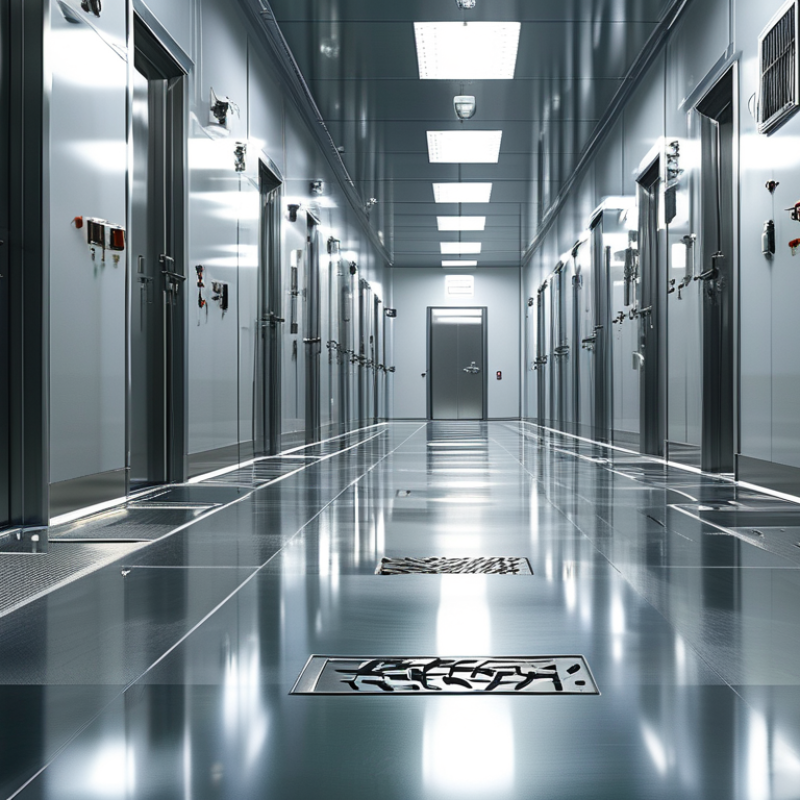
When selecting the best cleanroom floor drain, understanding cleanroom requirements is paramount. Cleanrooms must adhere to stringent standards for particle control, airflow, and cleanliness. According to ISO 14644, the classification of cleanrooms is based on the number of particles per cubic meter. Ensuring that floor drains meet these standards is crucial in maintaining the desired environment.
Floor drains in cleanrooms must be designed for easy cleaning and minimal contamination risk. Reports indicate that a well-designed drainage system can reduce the risk of microbial growth. Stainless steel is often preferred for its durability and resistance to corrosion. However, not all stainless steel drains are created equal. Some may not withstand the frequent cleaning required in cleanroom settings, leading to oversight in maintenance practices.
While many engineers focus on materials and design, they may overlook the importance of proper slope and placement. A poorly positioned drain could create puddles, fostering particle accumulation. Inadequate slope can lead to standing water, a concern for cleanrooms with strict humidity control. A thoughtful approach to placing drains can further enhance compliance and operational efficiency. It’s vital to frequently review and adapt drainage systems to stay aligned with evolving cleanroom standards and practices.

When considering cleanroom floor drains, several factors must be evaluated. The type of drain is crucial. Some facilities may require grating systems, while others might need point drains. Data from the International Society for Pharmaceutical Engineering (ISPE) suggests that approximately 70% of contamination occurs at the point of drainage. This highlights the importance of selecting an appropriate drainage system.
Material choice also plays a significant role. Stainless steel is a common option due to its durability and resistance to corrosion. A study by the Cleanroom Technology magazine indicated that about 40% of cleanroom contamination comes from materials that degrade over time. This statistic emphasizes the need for reliable materials that can withstand the demanding environment of a cleanroom.
Hydraulic efficiency should not be overlooked. Drains must effectively manage water without creating puddles. Research shows that poorly designed drainage systems can lead to “trapped” water, which may foster microbial growth. It’s essential to consider both performance and maintenance when selecting a drain. Understanding these key factors can lead to better cleanliness standards and enhance operational efficiency in cleanroom environments.
When selecting a cleanroom floor drain, a few key factors stand out. The material of the drain is critical. Stainless steel is often preferred for its durability and resistance to corrosion. However, it's more expensive. Plastic options may seem cost-effective, but they often lack longevity.
Another important consideration is the drain's design. Proper drainage flow is essential to prevent pooling. Look for models that facilitate smooth water movement. This helps maintain a clean surface in sensitive environments. Additionally, think about maintenance. Some designs are easier to clean than others. Regular upkeep can be a significant time commitment.
Lastly, compatibility with your facility's workflow is vital. The chosen drain should meet both industry standards and specific operational needs. Ignoring these factors can lead to costly mistakes. Balancing cost with functionality often requires careful thought, but it is necessary for long-term success.
| Factor | Description | Importance Level | Recommended Material |
|---|---|---|---|
| Drain Size | Select a size that accommodates the expected flow of liquids. | High | Stainless Steel |
| Design Type | Choose between trench, point, or channel drains based on layout. | Medium | Polymer Concrete |
| Ease of Cleaning | Opt for designs that allow for easy access and maintenance. | High | Stainless Steel |
| Chemical Resistance | Ensure materials can withstand corrosive substances used in cleanrooms. | High | Epoxy Coated Steel |
| Installation Flexibility | Look for designs that facilitate various installation scenarios. | Medium | Plastic |
| Drainage Capacity | Evaluate the drain's ability to handle the maximum expected flow. | Very High | Stainless Steel |
Choosing the right cleanroom floor drain involves careful consideration of materials. Different materials interact with sanitization processes in unique ways. Stainless steel drains are popular due to their durability and ease of cleaning. However, they may show wear and tear over time. On the other hand, plastic drains can resist corrosion but may not hold up under heavy loads.
When assessing drain materials, think about how they connect with your overall cleaning strategy. Regular maintenance is crucial. Any drain can become a breeding ground for contaminants if not properly maintained. Regular inspections ensure drains function optimally.
Tips for choosing the right material include assessing your facility's specific needs. Consider the type of chemicals used and the required sanitation processes. Opt for materials that can withstand frequent cleaning cycles. Always stay informed about the latest recommendations for your industry. This knowledge aids in making informed decisions that enhance your cleanroom environment.
When it comes to cleanroom drains, installation and maintenance are critical factors. The choice of material affects both performance and longevity. Stainless steel is commonly used due to its resistance to corrosion and ease of cleaning. However, it can be a more expensive option. Make sure the proper slope is maintained during installation to encourage effective drainage. A 1-2% slope is recommended for optimal flow, reducing stagnant areas that can harbor contaminants.
Regular maintenance is essential for cleanroom drains to function properly. It’s important to inspect the drainage system monthly. Dirt and debris can accumulate quickly, leading to blockages. According to industry standards, drains should be cleaned every week to prevent buildup. Innovative solutions, like sediment traps and strainers, improve efficiency but require diligence. Monitor the condition of seals and gaskets, as wear could lead to leaks, undermining your cleanroom’s integrity.
Training staff on maintenance protocols helps sustain cleanroom operations. Guidelines can vary based on facility needs. Overlooking minor maintenance tasks can lead to significant issues later. Keeping records of inspections and repairs also enhances accountability. Cleanroom drains, though often overlooked, play a crucial role in maintaining an uncontaminated environment.

Cepex is the brand for the fluid handling market belonging to the Fluidra group. One of the leading european manufacturer of valves and fittings in thermoplastic materials.
Dedicated to the swimming pool, irrigation and industrial markets, we distribute our products worldwide with the Fluidra commercial network and presence in 46 countries with 136 sales branches.


