A Centrifugal Vent Fan is a mechanical device that moves air through a building, machine, or enclosed workspace. Unlike an axial fan, it draws air into the center of a rotating wheel and pushes it outward through a housing. This curved airflow path creates pressure, allowing the fan to handle duct resistance, filters, grilles, and longer ventilation routes.
Inside the fan, an electric motor turns the impeller at a controlled speed. Air enters through the inlet, meets the spinning blades, and gains velocity. The surrounding casing then converts part of that velocity into useful pressure before directing air into the duct. You may hear a steady hum as the motor runs, while airflow becomes noticeable at a distant grille. Performance depends on blade design, motor power, duct size, and system resistance.
Real installations are rarely perfect. A powerful fan can still perform poorly when ducts are narrow, dirty, or sharply bent. I have seen airflow drop after a clogged filter restricted the inlet. That detail is easy to miss. Correct sizing matters more than impressive motor ratings. Noise, vibration, energy use, and maintenance access also deserve attention. Regular inspection can reveal loose belts, worn bearings, dust buildup, or unusual sounds before they become costly problems. This guide explains the main components, airflow process, performance factors, and practical selection considerations behind centrifugal ventilation systems. It also highlights common assumptions that deserve closer examination.
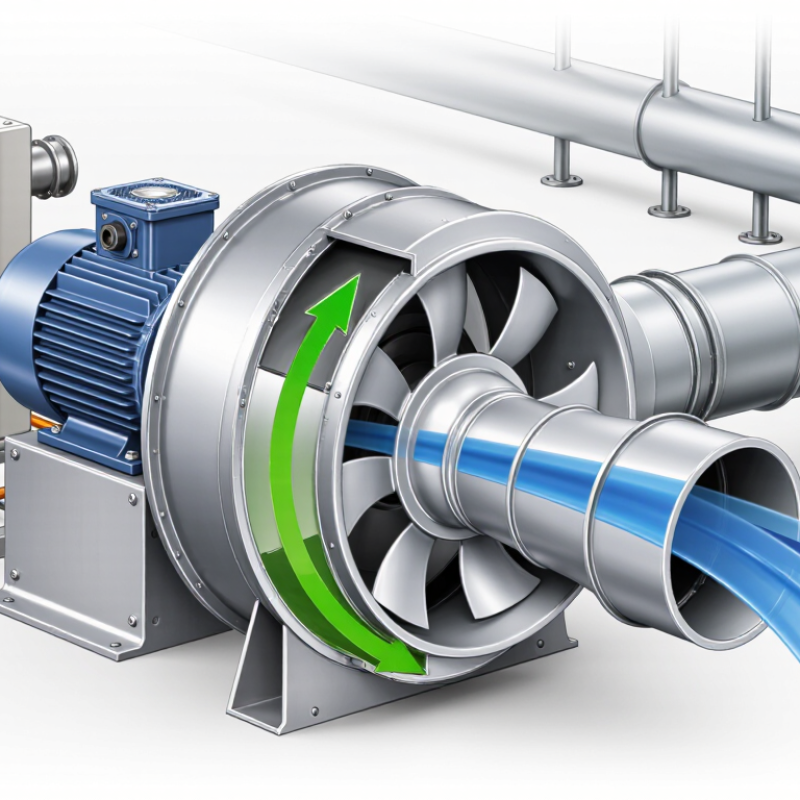
A centrifugal vent fan is a mechanical device that moves air through ducts by using a rotating wheel. Unlike an axial fan, it does not push air straight across the housing. Air enters near the wheel’s center, called the inlet, and turns outward through curved blades. The fan then directs this air into a discharge outlet.
The rotating wheel creates centrifugal force. As the motor spins the wheel, air gains speed and pressure. The fan housing, often shaped like a spiral, helps convert part of that speed into useful air pressure. This pressure allows the fan to overcome duct resistance, filters, grilles, and bends. In practical ventilation work, this makes centrifugal fans suitable for kitchens, workshops, bathrooms, and other areas requiring ducted exhaust.
The details matter. A blocked filter can reduce airflow sharply. A poorly sealed duct may waste pressure before air reaches the outside. During inspections, technicians often check vibration, unusual noise, belt tension, and airflow at the outlet. A quiet fan is not automatically working well. Sometimes the duct design is the real problem. The explanation seems simple, but actual performance depends on fan size, motor speed, system resistance, and regular cleaning.

A centrifugal vent fan moves air by converting rotational energy into airflow pressure. Its impeller spins inside a housing, pulling air through the center and forcing it outward. The curved housing then guides air toward the discharge outlet. This design suits kitchens, workshops, bathrooms, and industrial exhaust systems where resistance is significant.
The motor supplies rotation, while the shaft transfers torque to the impeller. Bearings support the shaft and reduce vibration. The inlet cone helps air enter smoothly, and the backplate maintains the correct internal clearance. A belt drive can separate motor speed from impeller speed, although it adds maintenance points. Direct-drive designs are simpler, but their motors may face more heat near contaminated exhaust.
The housing is not just a cover. Its spiral shape gradually converts velocity into static pressure. Poor clearance can increase turbulence, noise, and energy use. The U.S. Department of Energy’s fan-system guidance reports that fan systems may represent a substantial share of electricity use in industrial facilities, especially when throttling controls waste pressure. The European Commission’s Ecodesign analysis also identifies motor and fan efficiency as major energy-saving factors.
Real installations are less tidy. A clogged filter changes the operating point quickly. An undersized outlet can make a powerful fan perform badly. I have also seen vibration blamed on the motor when an unbalanced impeller caused it. Airflow measurements matter. A nameplate rating alone does not prove efficient operation.
A centrifugal vent fan moves air by converting rotation into pressure. Inside the housing, a motor spins a wheel with backward-curved or forward-curved blades. Air enters near the wheel’s center, called the eye. Centrifugal force then pushes the air outward at high velocity. The scroll-shaped housing slows that air and redirects it toward the discharge opening.
This process creates a pressure difference across the ventilation system. Room air travels toward the fan because higher pressure pushes it through ducts, filters, grilles, or dampers. According to the U.S. Department of Energy’s Improving Fan System Performance sourcebook, fan systems can represent about 15% of electricity use in United States manufacturing. Efficiency matters. A dirty filter or undersized duct can increase resistance and reduce delivered airflow.
Fan speed has an especially strong effect. AMCA fan guidance follows the affinity laws: airflow changes with speed, pressure changes with speed squared, and power changes with speed cubed. Doubling speed can therefore require roughly eight times more power. That sounds extreme. It is also why careful control matters. Field inspections often reveal sharp elbows beside the inlet, loose belts, or blocked outlets. These details disturb the airflow pattern. The fan may sound powerful while moving less air than expected. ASHRAE guidance emphasizes selecting fans for actual system resistance, not only their free-air rating. That distinction is easy to miss.
A centrifugal vent fan moves air with a rotating impeller. Air enters near the shaft, then leaves through the casing at higher pressure. That pressure helps overcome resistance from ducts, filters, grilles, and dampers. Unlike an axial fan, it suits systems where airflow must travel through restrictive paths.
Backward-curved fans usually deliver strong efficiency and stable pressure. Forward-curved designs can be compact and quiet, but they may draw more power at high resistance. Radial-blade fans handle dusty or particulate-laden air better, although their sound level may be higher.
Single-inlet models are common. Double-inlet versions move more air within a similar casing width. Inline centrifugal units fit ducts directly.
Key specifications include airflow, static pressure, speed, motor power, efficiency, noise, and controllability.
Do not judge capacity from airflow alone. A fan rated at 2,000 cubic metres per hour may perform poorly after a dirty filter is added. Measure the system resistance.
Variable-speed control can reduce energy use and soften startup, but incorrect settings may cause weak ventilation or motor stress. In real installations, vibration, cleaning access, and drain positioning also matter.
One common design mistake is choosing the quietest fan without checking pressure performance. No selection is perfect.
Review measured airflow after installation, because paper calculations often miss bends, leakage, and changing filter conditions.
A centrifugal vent fan moves air by using a rotating impeller. Air enters near the center, then moves outward through curved blades. The fan converts rotation into airflow and pressure.
This design suits bathrooms, workshops, kitchens, warehouses, and process areas with long ducts. It can handle resistance better than many simple axial fans. In a small workshop, for example, it may pull dusty air through a filter and several duct bends. Selection should begin with airflow demand and system pressure, not fan size alone. Check the required cubic meters per hour, static pressure, noise level, motor rating, and available space. A professional should also consider corrosive moisture, heat, and cleaning access. Oversizing is not always safer. It can waste energy and create uncomfortable drafts.
Tips: Measure the duct route before ordering. Count bends and grilles. Keep the fan accessible for inspection. Use a guard around exposed moving parts. Check that the electrical supply matches the motor data. These details seem minor, but they prevent avoidable failures.
Maintenance usually includes cleaning the impeller, checking bearings, tightening connections, and inspecting vibration. Dust buildup can unbalance the wheel, causing noise and premature wear. A practical inspection every few months is useful, although heavily contaminated locations need more frequent checks. Listen carefully. A new rattle may reveal a loose mount or damaged bearing. Maintenance schedules should reflect actual operating conditions, not assumptions. I have found that records are often incomplete, which makes small defects easier to miss. That weakness deserves attention.

Cepex is the brand for the fluid handling market belonging to the Fluidra group. One of the leading european manufacturer of valves and fittings in thermoplastic materials.
Dedicated to the swimming pool, irrigation and industrial markets, we distribute our products worldwide with the Fluidra commercial network and presence in 46 countries with 136 sales branches.