
What is a Butterfly Valve and How Does It Work?
FLUID HANDLING EXPERTS

Blog, all our news

What is a Butterfly Valve and How Does It Work?

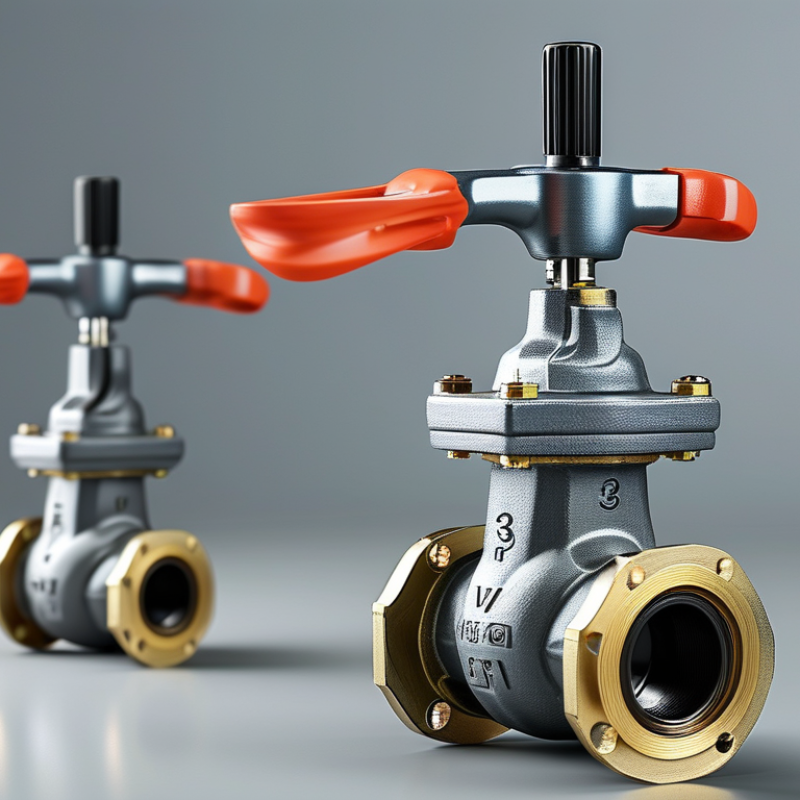
A butterfly valve is a crucial component in many industries. It controls the flow of fluids within a piping system. Understanding how it operates can enhance efficiency and safety. The "3 In Butterfly Valve" refers to its three main components: the disc, the stem, and the body. Each plays a vital role in its functionality.

The disc rotates to open or close the valve. This simple mechanism allows for quick adjustments. The stem connects the disc to the actuator, which controls movement. The body houses these parts, ensuring durability and reliability. Butterfly valves are designed for high performance and should be chosen carefully.

Choosing the right valve is not always straightforward. Factors like pressure, temperature, and fluid type matter significantly. Not every butterfly valve can handle every application. Therefore, understanding their specifics helps in making informed decisions. Knowledge about butterfly valves enhances operational reliability and system performance.
What is a Butterfly Valve and How Does It Work?

What is a Butterfly Valve?

A butterfly valve is a quarter-turn valve that regulates flow. It consists of a disc that pivots on a shaft. When the valve is closed, the disc blocks the flow completely. When it is open, the disc is turned parallel to the flow, allowing fluid to pass through.

These valves are common in various industries. They are often used in water supply systems, HVAC systems, and chemical processing. The design allows for quick action and less space requirement. However, they may not be suitable for all applications, especially where tight sealing is crucial.

Tips: Always ensure the butterfly valve is installed properly. Misalignment can lead to leakage. Regular maintenance is essential to avoid operational failures. Check for wear and tear that could affect performance. Adjust and replace components as necessary to keep it functional.

In some cases, users overlook the importance of operating pressures. The performance of a butterfly valve can change under varying pressure conditions. It’s wise to consider these factors when selecting a valve type for specific applications. Understanding your system’s requirements can enhance efficiency.

What is a Butterfly Valve and How Does It Work?

Feature Description
Type Quarter-turn valve
Operation Turn the disk to allow or restrict flow
Applications Water supply, HVAC, chemical handling
Advantages Lightweight, quick operation, low pressure drop
Disadvantages Less effective in throttling applications
Maintenance Regular inspection, lubrication of moving parts
Materials Cast iron, stainless steel, plastic

Key Components of a Butterfly Valve

A butterfly valve is a simple yet effective tool in fluid control systems. Its design is characterized by a disc that rotates on a shaft. This mechanism regulates flow by turning the disc either parallel or perpendicular to the flow direction. The basic components of a butterfly valve include the body, disc, shaft, and actuator. Each part plays a crucial role in performance.

The valve body is often made from materials like stainless steel or cast iron. This ensures durability and resistance to corrosion. The disc, typically providing a tight sealing capability, helps minimize leakage and enhance efficiency. Various actuator types, such as manual, electric, or pneumatic, dictate how the valve operates. According to a report by the International Journal of Engineering Research and Applications, up to 90% of butterfly valves are used in water and wastewater treatment facilities, highlighting their significance.

While butterfly valves offer many advantages, challenges remain. Issues like wear on the disc and seat can lead to leaks over time. Regular maintenance is essential to prevent failures. The choice of materials for different environments also needs consideration. A thoughtful approach can mitigate these concerns, ensuring reliability in critical applications.

How Does a Butterfly Valve Operate?

A butterfly valve is a flow regulation device that operates using a disk to control the flow of fluid. The disk is positioned in the center of the valve body. When the valve is closed, the disk blocks the flow. When opened, the disk rotates 90 degrees. This simple mechanism allows for quick adjustments. In industrial applications, its compact design makes it suitable for tight spaces. Research indicates that butterfly valves account for 30% of the global valve market as of 2022.

The operation of a butterfly valve involves both mechanical and hydraulic principles. When actuated, either manually or automatically, the disk moves to allow flow. The position of the disk directly correlates to the flow rate. This relationship is crucial in processes that require precise control. However, improper installation can lead to inefficiencies. Studies highlight that incorrect alignments lead to a performance drop of up to 15%.

A key consideration in butterfly valve operation is the type of seat used. Soft seats offer excellent sealing but may wear quickly. On the other hand, metal seats are more durable but can be less effective at sealing. There is ongoing debate about the best materials for different applications. Each option has its pros and cons, resulting in a need for careful evaluation.

Applications of Butterfly Valves in Industries

Butterfly valves are essential components in many industrial applications. Their simple design allows for efficient flow control. Industries such as water treatment, oil, and gas heavily utilize these valves. In water treatment, they regulate the flow of water in filtration systems. Their quick operation helps maintain consistent water pressure.

In the oil and gas sector, butterfly valves play a critical role in regulating the flow of various fluids. They can handle a wide range of pressures and temperatures, making them versatile. The ability to quickly shut off flow in emergencies is vital for safety. However, their performance can vary based on the specific application.

Food and beverage industries also rely on butterfly valves for hygienic processes. They prevent contamination while allowing for easy cleaning. However, one must be cautious with material selection. Not all materials are suitable for food applications. Understanding these details is crucial to ensure reliability and safety in operations.

Applications of Butterfly Valves in Various Industries

Advantages and Disadvantages of Butterfly Valves

Butterfly valves are popular in various industries due to their unique design and functionality. They feature a disc that rotates to control fluid flow. This simple mechanism offers quick operation and cost-effective solutions.

However, butterfly valves come with advantages and disadvantages. On the plus side, they are lightweight and easy to install. Their compact size makes them ideal for tight spaces. Additionally, they can handle large volumes of fluid, making them suitable for many applications.

On the downside, butterfly valves may not provide a tight seal at high pressures. This can lead to leaks, impacting system efficiency. They also may not be suitable for corrosive fluids, depending on the materials used. Careful selection and evaluation are crucial to avoid performance issues. It's essential to consider both benefits and limitations before choosing butterfly valves for specific applications.

Copyright 2025 Fluidra S.A. | Created by BCM Marketing Agencia Privacy Policy Legal note | Cookie policy |

Technical cookies are strictly necessary for our website to work and you can navigate through it. These types of cookies are those that, for example, allow us to identify you, give you access to certain restricted parts of the page if necessary, or remember different options or services already selected by you, such as your privacy preferences. Therefore, they are activated by default, your authorization not being necessary in this regard. Through the configuration of your browser, you can block or alert the presence of this type of cookies, although such blocking will affect the proper functioning of the different functionalities of our website.


The analysis cookies allow us to study the navigation of the users of our website in general (for example, which sections of the page are the most visited, which services are used most and if they work correctly, etc.). From the statistical information on navigation on our website, we can improve both the operation of the page itself and the different services it offers. Therefore, these cookies do not have an advertising purpose, but only serve to make our website work better, adapting to our users in general. By activating them you will contribute to this continuous improvement. You can enable or disable these cookies by checking the corresponding box, being disabled by default.


Functionality cookies allow us to remember your preferences, to personalize certain characteristics and general options of our website, every time you access it (for example, the language in which the information is presented to you, the sections marked as favorites, your browser type, etc.) Therefore, this type of cookies does not have an advertising purpose, but by activating them you will improve the functionality of the website (for example, adapting to your type of browser) and the customization of it based on your preferences (for example, by presenting the information in the language that you have chosen in previous occasions), which will contribute to the ease, usability and comfort of our page during your navigation. You can enable or disable these cookies by checking the corresponding box, being disabled by default.


Advertising cookies allow us to manage the advertising spaces included in our website based on criteria such as the content shown or the frequency in which the ads are displayed. For example, if you have been shown the same ad several times on our website, and you have not shown a personal interest by clicking on it, it will not appear again. In summary, by activating this type of cookies, the advertising shown on our website will be more useful and diverse, and less repetitive. You can enable or disable these cookies by checking the corresponding box, being disabled by default.


Behavioral advertising cookies allow us to obtain information based on the observation of your browsing habits and behaviors on the web, in order to show you advertising content that best suits your personal tastes and interests. To understand it in a very simple way, we will give you a fictitious example: if your last searches on the web were related to suspense literature, we would show you advertising about suspense books. Therefore, activating this type of cookies, the advertising that we show you on our website will not be generic, but will be oriented to your searches, tastes and interests, therefore adjusting exclusively to you. You can enable or disable these cookies by checking the corresponding box, being disabled by default.
To understand it in a very simple way, we will give you a fictitious example: if your last searches on the web were related to suspense literature, we would show you advertising about suspense books. Therefore, activating this type of cookies, the advertising that we show you on our website will not be generic, but will be oriented to your searches, tastes and interests, therefore adjusting exclusively to you. You can enable or disable these cookies by checking the corresponding box, being disabled by default.

SAVE

We use our own and third-party cookies to ensure the proper functioning of the website and to analyse our services, improve your experience on our website and show you advertisements related to your interests according to profiling based on your browsing habits (e.g. websites visited). You can accept all cookies by clicking "ACCEPT" or set or reject them by clicking here. If you would like to know more about the use of cookies, please see our COOKIE POLICY.


ACCEPT ALL
Reject no essentials



