
10 Best Trailer Wiring Harnesses for Global Buyers?
FLUID HANDLING EXPERTS

Blog, all our news

10 Best Trailer Wiring Harnesses for Global Buyers?

Choosing the right Trailer wiring harness can prevent frustrating towing problems before they begin. Global buyers face different vehicle platforms, connector styles, weather conditions, and trailer designs. A harness that fits one pickup may not suit a European van or an Australian utility vehicle.

This guide reviews ten practical options for international purchasing. It considers wiring quality, connector strength, insulation, installation time, circuit protection, and long-term weather resistance. Experience shows that small details matter. A sealed connector can keep rain away from exposed terminals. A clearly labeled wire can save an hour beneath a crowded dashboard. Some products also include relays, adapters, mounting clips, or detailed instructions.

Fitment comes first.

However, product pages do not always tell the complete story. A high-quality appearance cannot confirm copper purity, crimp strength, or real-world durability. Buyers should verify vehicle compatibility, trailer functions, pin configuration, and supplier documentation before ordering. Independent testing information and responsive technical support add confidence, especially for cross-border purchases. Packaging quality also deserves attention. Loose terminals or crushed connectors may indicate poor handling.

The “best” harness depends on the vehicle, trailer, climate, budget, and installation skill. That answer is less convenient, but more reliable. Some harnesses install quickly, while others require careful routing and testing. This comparison highlights their practical strengths and limitations, helping buyers make a safer, better-informed decision. Minor compromises may remain, and that is worth acknowledging. A realistic choice usually outperforms an impressive but unsuitable specification sheet.
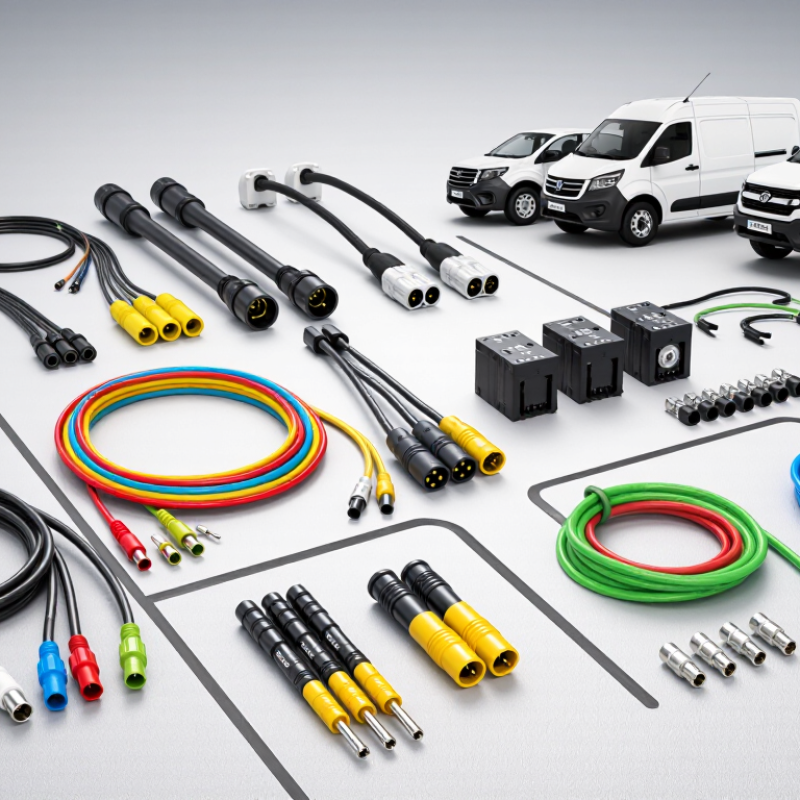
10 Best Trailer Wiring Harnesses for Global Buyers?

Trailer Wiring Harness Basics and Global Compatibility Standards

Trailer Wiring Harness Basics and Global Compatibility Standards

A trailer wiring harness transfers power for lights, brakes, and auxiliary functions. The correct choice depends on the tow vehicle, trailer, and destination market. Common European systems follow ISO 1724 for seven-pin connectors or ISO 11446 for thirteen-pin connectors. North American four-pin and seven-pin layouts may use different circuits. Connector shape alone proves little.

Voltage matters. Many vehicles use 12-volt systems, while some commercial platforms use 24 volts. Wire size should match the expected load and cable length. A poor ground can cause dim lamps, flickering indicators, or brake controller errors. Sealed connectors and heat-resistant insulation improve reliability in rain, dust, and winter salt. I have found that wiring colors are not universal. A chart can still mislead.

Tips: Confirm the pin function with a multimeter before installation. Check the vehicle’s socket diagram, not only the trailer plug. Test every circuit under load. Look for an appropriate ingress protection rating, strain relief, and corrosion-resistant terminals. For LED lighting, verify compatibility with the vehicle’s monitoring system; a converter may be necessary. Keep spare fuses and record the final pin layout. A little documentation helps.

Key Features to Compare Before Choosing a Trailer Wiring Harness

Choosing among the 10 best trailer wiring harnesses for global buyers requires more than counting connectors. Compatibility comes first. Check the tow vehicle’s lighting system, trailer socket, wire layout, and voltage requirements. A plug may fit physically but still fail electronically. That mistake can cause dim indicators or fast flashing lights. Confirm the connector type before ordering.

Weather resistance matters in real driving conditions. Look for sealed terminals, flexible insulation, and corrosion-resistant contacts. A harness passing behind a bumper may face rain, road salt, mud, and sharp edges. Protective sleeving can reduce abrasion. It should also include enough cable length for clean routing without tight bends. Measure twice. I still find many installation problems come from short wires.

Electrical safety deserves careful attention. Choose wiring with clear color coding, secure grounding, and suitable current capacity. Integrated circuit protection can help prevent damage during a fault, but it does not replace correct installation. Test brake lights, indicators, tail lamps, and the ground connection before every long trip. A simple multimeter helps reveal hidden resistance. Do not rely only on visual checks. Different countries may apply different towing and lighting requirements, so buyers should verify local rules and vehicle instructions. Some connectors claim broad compatibility, yet adapters can introduce loose contacts or water entry. That is easy to overlook. A reliable harness should include readable instructions, durable strain relief, and responsive technical support. Signal quality matters.

The 10 Best Trailer Wiring Harnesses for Different Towing Needs

10 Best Trailer Wiring Harnesses for Global Buyers

The 10 Best Trailer Wiring Harnesses for Different Towing Needs

A 4-flat harness suits small utility trailers with basic running lights, brake lights, and turn signals. Choose a 5-flat version when the trailer also needs a reverse or surge-brake circuit. A 6-way round harness works well for compact campers and older towing systems. The 7-way blade harness supports electric brakes, auxiliary power, and modern recreational trailers. A 7-way round design remains useful for heavy-duty vehicles using traditional pin layouts.

Vehicle-specific T-connectors offer a cleaner installation because they connect through existing sockets. They reduce wire cutting and usually provide more consistent signal control. Universal splice-in harnesses fit unusual vehicles, but careful testing is essential. A wishbone harness separates left and right signal wires, simplifying trailer-light troubleshooting. Detachable harnesses help drivers remove exposed wiring after seasonal towing. Sealed heavy-duty harnesses are preferable for boat trailers, muddy roads, and frequent rain.

During workshop checks, I look for flexible insulation, tight terminals, strain relief, and clear pin identification. Connector standards can differ between regions, so verify the vehicle and trailer diagrams before ordering. I also test each circuit with a multimeter, not only the dashboard indicator. That extra step catches weak grounds and reversed pins. I still make mistakes when working too quickly. Moisture protection deserves more attention than many buyers expect. A harness should match the towing setup, climate, connector layout, and maintenance habits.

Installation, Vehicle Fit, and Electrical Safety Considerations

Choosing among the 10 best trailer wiring harnesses for global buyers requires more than connector shape. Vehicle fit comes first. Check the vehicle’s model year, lighting system, tow rating, and factory socket location. A harness for a modern multiplexed vehicle may need signal isolation or a powered converter. Older vehicles often use simpler direct wiring. I measure twice. Fit charts can still contain errors.

Use weather-sealed connectors, flexible insulation, and protected grounding points. ISO 11446 defines a widely used 13-pin trailer connector, while SAE J1128 covers low-voltage primary cable performance. These standards support compatibility, but they do not guarantee perfect installation. Confirm pin assignments for the destination market. North American and European layouts may differ. A 12-volt test lamp and multimeter can expose reversed signals before loading the trailer.

Electrical safety deserves equal attention. Keep wiring away from exhaust heat, suspension movement, and sharp frame edges. Add loom protection and secure every 30–45 centimeters. Avoid piercing insulation with quick taps when possible. The IEC 60529 IP system helps compare water and dust protection, but an IP rating does not protect a loose ground. NHTSA’s 2022 Traffic Safety Facts recorded 5,837 pedestrian deaths in the United States, reinforcing the value of dependable lighting and clear signals. I would recheck brake, indicator, tail, and reverse functions under vibration. Bench testing is not enough. A careless final connection can defeat an otherwise excellent harness.

10 Best Trailer Wiring Harnesses for Global Buyers

Installation, vehicle fit, and electrical safety considerations by common trailer connector format.

Circuit counts reflect the functions supported by widely used connector formats. Four-way connectors generally cover basic lighting, while higher-pin systems can support auxiliary power, reverse lamps, electric brakes, charging, and additional vehicle functions. Always verify the vehicle socket, trailer requirements, regional standard, fuse protection, grounding, and water resistance before installation.

Maintenance, Troubleshooting, and Buyer Selection Guide

10 Best Trailer Wiring Harnesses for Global Buyers?

Trailer wiring failures often begin with moisture, not dramatic damage. Inspect the connector after rain, road salt, or a muddy trip. Look for green corrosion, loose terminals, cracked insulation, and pins pushed backward. Apply suitable electrical sealant only where the harness instructions allow it. Do not pack dirt into the socket. Secure the cable away from exhaust heat, sharp edges, and suspension movement. Leave a gentle service loop, but avoid hanging slack that can catch debris.

If lamps flicker, test the vehicle socket before replacing the harness. Use a multimeter to check ground continuity and each circuit under load. A bright lamp can still hide a weak ground. Clean the contact surface, then retest with the trailer connected. If the fuse opens repeatedly, stop installing larger fuses. It can damage wiring. Check for crushed cable, incorrect pin matching, or an overloaded circuit. I have seen quick plug-in repairs fail because the ground wire was ignored. Still, one inspection is not proof of long-term reliability.

For global buyers, select a harness by vehicle year, socket type, circuit design, and tow rating. Confirm whether the vehicle uses independent lamp circuits or shared signals. Choose weather-resistant insulation and strain relief for the expected climate. Cold regions need flexible cable; hot regions need strong heat resistance. Read the wiring diagram before purchase, not after a failed installation. Verify relays, fuses, adapters, mounting hardware, and testing instructions. Check applicable local requirements and available safety documentation. Some listings exaggerate compatibility. Measure twice. Pay attention to warranty terms, replacement access, and return conditions.

Article Source:

Copyright 2025 Fluidra S.A. | Created by BCM Marketing Agencia Privacy Policy Legal note | Cookie policy |

Technical cookies are strictly necessary for our website to work and you can navigate through it. These types of cookies are those that, for example, allow us to identify you, give you access to certain restricted parts of the page if necessary, or remember different options or services already selected by you, such as your privacy preferences. Therefore, they are activated by default, your authorization not being necessary in this regard. Through the configuration of your browser, you can block or alert the presence of this type of cookies, although such blocking will affect the proper functioning of the different functionalities of our website.


The analysis cookies allow us to study the navigation of the users of our website in general (for example, which sections of the page are the most visited, which services are used most and if they work correctly, etc.). From the statistical information on navigation on our website, we can improve both the operation of the page itself and the different services it offers. Therefore, these cookies do not have an advertising purpose, but only serve to make our website work better, adapting to our users in general. By activating them you will contribute to this continuous improvement. You can enable or disable these cookies by checking the corresponding box, being disabled by default.


Functionality cookies allow us to remember your preferences, to personalize certain characteristics and general options of our website, every time you access it (for example, the language in which the information is presented to you, the sections marked as favorites, your browser type, etc.) Therefore, this type of cookies does not have an advertising purpose, but by activating them you will improve the functionality of the website (for example, adapting to your type of browser) and the customization of it based on your preferences (for example, by presenting the information in the language that you have chosen in previous occasions), which will contribute to the ease, usability and comfort of our page during your navigation. You can enable or disable these cookies by checking the corresponding box, being disabled by default.


Advertising cookies allow us to manage the advertising spaces included in our website based on criteria such as the content shown or the frequency in which the ads are displayed. For example, if you have been shown the same ad several times on our website, and you have not shown a personal interest by clicking on it, it will not appear again. In summary, by activating this type of cookies, the advertising shown on our website will be more useful and diverse, and less repetitive. You can enable or disable these cookies by checking the corresponding box, being disabled by default.


Behavioral advertising cookies allow us to obtain information based on the observation of your browsing habits and behaviors on the web, in order to show you advertising content that best suits your personal tastes and interests. To understand it in a very simple way, we will give you a fictitious example: if your last searches on the web were related to suspense literature, we would show you advertising about suspense books. Therefore, activating this type of cookies, the advertising that we show you on our website will not be generic, but will be oriented to your searches, tastes and interests, therefore adjusting exclusively to you. You can enable or disable these cookies by checking the corresponding box, being disabled by default.
To understand it in a very simple way, we will give you a fictitious example: if your last searches on the web were related to suspense literature, we would show you advertising about suspense books. Therefore, activating this type of cookies, the advertising that we show you on our website will not be generic, but will be oriented to your searches, tastes and interests, therefore adjusting exclusively to you. You can enable or disable these cookies by checking the corresponding box, being disabled by default.

SAVE

We use our own and third-party cookies to ensure the proper functioning of the website and to analyse our services, improve your experience on our website and show you advertisements related to your interests according to profiling based on your browsing habits (e.g. websites visited). You can accept all cookies by clicking "ACCEPT" or set or reject them by clicking here. If you would like to know more about the use of cookies, please see our COOKIE POLICY.


ACCEPT ALL
Reject no essentials


