
2026 Best Reflective Fabric Types for Global Buyers
FLUID HANDLING EXPERTS

Blog, all our news

2026 Best Reflective Fabric Types for Global Buyers

For global buyers, choosing Reflective Fabric means balancing visibility, durability, comfort, and cost. The material may use glass beads or microprismatic elements to return light toward its source. Its backing can be polyester, a blend, or another textile, and that choice affects feel and construction. A stiff sample may suit a bag panel but feel uncomfortable in a close-fitting garment. Details matter.

This guide compares common reflective fabric types and the features buyers should check before requesting a quote. It considers brightness, substrate, width, color, coating, and resistance to washing or abrasion. These properties vary by product, so a supplier’s description alone may not tell the whole story. Ask for a current technical data sheet, a sample, and test results that match the intended use. Then compare those details against the conditions the finished item will face, such as repeated laundering, outdoor exposure, or frequent folding.

There is no universal best choice. Not always. A highly visible surface may be less flexible, while a softer construction may need extra care during use. I would also treat broad claims like “washable” cautiously unless the supplier specifies test conditions and results. Requirements can differ by destination and application, so buyers should confirm relevant specifications with qualified testing partners. The comparison ahead offers a practical starting point, not a substitute for product evaluation.
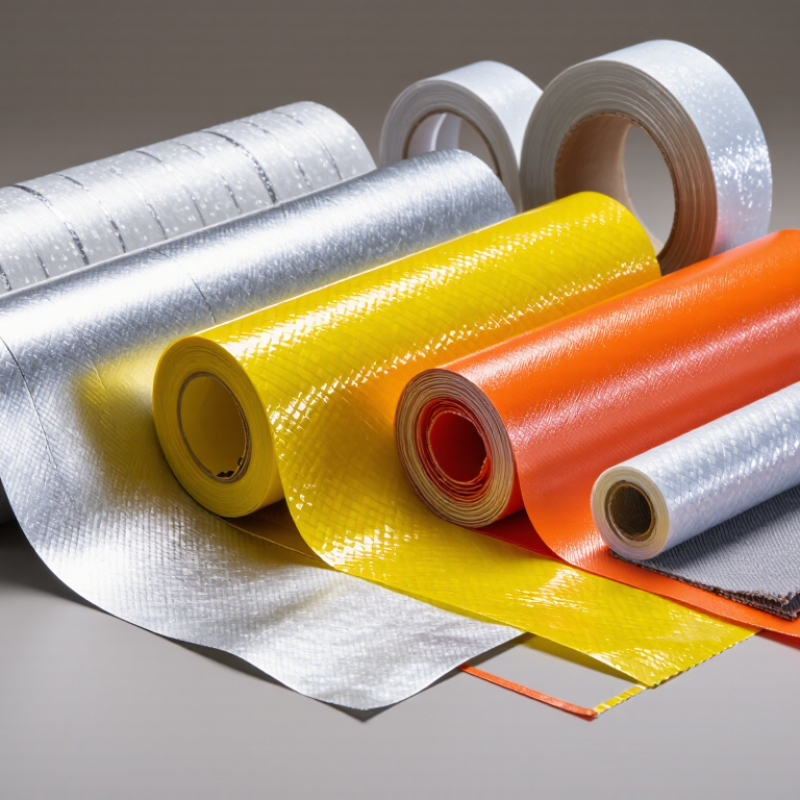
2026 Best Reflective Fabric Types for Global Buyers

Reflective Fabric Fundamentals: How Retroreflection Improves Nighttime Visibility

Retroreflection sends light back toward its source rather than scattering it broadly. On reflective fabric, tiny glass beads or microprismatic elements help return headlamp light toward a driver’s eyes. A person wearing a bright strip across the torso may therefore stand out on a dark roadside. It is not magic. Visibility still depends on distance, viewing angle, lamp position, and whether the material is clean and unobstructed.

For global buyers, the material’s construction matters, but so does its placement on the finished garment. A narrow patch hidden by a backpack may contribute little; bands on the chest, sleeves, or lower legs can make body movement easier to recognize. Performance can also change after repeated washing, abrasion, or exposure to moisture, so check test data for the intended use and care conditions. I would avoid assuming that a fabric’s stated reflectivity guarantees equal visibility from every direction. Real conditions are messier than a laboratory setup, and retroreflection works only when light reaches the material.

Glass-Bead vs. Microprismatic Fabrics: Structure, Performance, and Trade-Offs

Glass-bead and microprismatic fabrics return light differently. Glass-bead material uses tiny reflective spheres held in a binder on a textile backing. Each bead redirects some incoming light toward its source, such as a vehicle headlamp. The surface often feels comparatively smooth. It can suit garments that need flexible panels and a softer hand. Performance varies with bead coverage, binder quality, and fabric construction. Small details matter.

Microprismatic fabric uses molded optical cells, commonly cube-corner shapes, rather than separate beads. These precise facets can return light effectively, but results depend on prism geometry and the angle of the incoming beam. The surface may feel firmer or show more obvious patterning. A sharp fold can interrupt the optical surface. That matters on knees and elbows.

Neither type is universally better. For a work jacket, examine how the material bends across seams and whether its reflective effect remains even after suitable care testing. Request samples, then view them under a fixed light source from several angles. Reflective fabric does not create light; it only returns light that reaches it. Also check finished-garment test data, not just a roll sample. I would be cautious about choosing by brightness alone. Flexibility, adhesion, weather exposure, and intended use can change the practical trade-off.

Glass-Bead vs. Microprismatic Reflective Fabrics

A general comparison of common performance and sourcing trade-offs for global buyers.

Relative tendency ratings: 1 = lower, 5 = higher. Microprismatic fabrics generally offer stronger retroreflection, while glass-bead fabrics are often more flexible and cost-accessible. Ratings are qualitative comparisons, not standardized test results; actual performance depends on the fabric, construction, care instructions, and applicable test method.

Common Constructions: Sew-On, Heat-Transfer, and Segmented Reflective Materials

Sew-on reflective fabric suits garments that need a secure, replaceable panel. Its reflective layer is stitched onto a carrier fabric, often along the edges or through marked channels. On a work jacket, neat stitching helps the strip lie flat across the chest. Edges matter. Poorly placed stitches can pucker lightweight cloth or reduce comfort against the body, so check the garment and sewing quality before choosing this construction.

Heat-transfer reflective material creates a smoother, lower-profile finish. A heat press bonds its backing to a clean fabric surface using controlled temperature, pressure, and time. This works well for compact shapes on bags, uniforms, or stretch panels. Test a sample. Some fabrics may not tolerate press heat, and an attractive first application does not prove long-term wash durability. Check adhesion and flexibility after care testing.

Segmented reflective materials use small separated elements instead of one continuous strip. The gaps can help fabric bend around elbows, knees, and curved pack straps, with less stiffness during movement. They are useful when a solid band feels restrictive. But alignment takes care, and narrow segments may lift if bonding or stitching is uneven. That trade-off is easy to underestimate. Inspect the finished piece under light, then flex it repeatedly before selecting a construction for production.

ANSI/ISEA 107-2020: Class 2 Requires at Least 0.13 m² of Retroreflective Material

For global buyers comparing reflective fabric types, ANSI/ISEA 107-2020 provides a practical reference. Class 2 garments require at least 0.13 m² of retroreflective material. This minimum describes reflective area, not the garment’s entire visible surface. Class 2 also has requirements for background material and garment design, so verify the full standard and the specific garment configuration. That matters.

Glass-bead and microprismatic materials return light differently. In practice, tape placement can matter as much as the material choice. Check whether reflective bands remain visible across the torso and shoulders, including when a worker bends or wears a jacket over another layer. A fabric swatch alone cannot show this. Ask for documentation confirming the material area and intended garment use, and review care instructions before ordering. Repeated washing, abrasion, or heat may affect performance.

The number looks straightforward. The details are less so. Confirm how the supplier calculates the 0.13 m², and check that seams, fasteners, or pockets do not interrupt required layouts. Compare samples under headlights at a realistic distance, then inspect them after laundering. This is not a substitute for compliance documentation, but it can reveal practical weaknesses early. A garment may meet the area minimum and still be poorly suited to a buyer’s climate, work tasks, or layering needs.

Global Buyer Checklist: Compare Wash Durability, Compliance, and End-Use Needs

Global buyers should compare reflective fabric by performance after use, not by sample brightness alone. Glass-bead fabrics can suit flexible garments, while microprismatic materials may deliver stronger returns at specific viewing angles. Check the intended garment, light source, viewing distance, and sewing method before selecting either type. ISO 20471:2013 sets minimum material areas for high-visibility clothing; Class 3 requires 0.80 m² of fluorescent background and 0.20 m² of retroreflective material. These figures are useful benchmarks, but the required class depends on the task and market.

Wash durability needs evidence. Request a test report showing the fabric’s retroreflective performance before and after laundering, along with the tested cycle count and care conditions. Compare like with like: washing temperature, detergent, drying method, and backing construction can change results. Also check applicable market standards and ask for current compliance documents. A glossy swatch may look convincing under showroom lighting. It may not perform the same way on a wet, creased jacket.

Tips: Test a sewn sample after repeated washing. Check visibility at several angles, then inspect edges for peeling or cracking. One detail is easy to miss: a durable face fabric cannot compensate for a weak seam or poor garment layout.

2026 Best Reflective Fabric Types for Global Buyers - Global Buyer Checklist: Compare Wash Durability, Compliance, and End-Use Needs
Material type How it works Wash durability considerations Common end uses Compliance and testing checklist Buyer notes
Sew-on glass-bead reflective tape Retroreflective glass beads return light toward its source. The tape is stitched onto a garment or other textile product. Durability depends on tape construction, stitching, garment fabric, and care conditions. Confirm performance after the intended domestic or industrial laundering procedure. Workwear, safety vests, uniforms, bags, and outdoor equipment. For high-visibility garments, check the finished garment against the applicable market standard, such as ISO 20471 or ANSI/ISEA 107. Request test reports for the specified tape and care procedure. Check tape width, color, sewability, seam placement, and whether the tape remains flexible on the chosen garment fabric.
Heat-transfer glass-bead reflective film A reflective film is bonded to a textile using heat and pressure; it may be supplied as a continuous sheet or cut into shapes. Bond strength and reflective performance can be affected by application temperature, pressure, time, fabric finish, and laundering. Validate on the production fabric and equipment. Sportswear, uniforms, logos, lightweight garments, and decorative visibility details. Confirm the intended garment standard and test the completed garment where required. Ask for application instructions and wash-test results under the buyer’s target care method. Check compatibility with stretch fabrics, coatings, dyes, and heat-sensitive materials. Confirm whether the film is suitable for the intended dryer and ironing instructions.
Segmented reflective film Reflective film is divided into separate segments, leaving gaps that can improve garment flexibility and moisture-vapor transfer compared with a continuous panel. Performance depends on the film, segment layout, adhesive bond, and application process. Check for lifting, cracking, or loss of reflectivity after the specified wash and wear tests. Stretch workwear, activewear, running apparel, and garments requiring greater flexibility. If used in protective clothing, verify that the finished garment meets the applicable visibility requirements. A material-level claim alone does not establish garment compliance. Review segment spacing, coverage, stretch recovery, and application consistency. Test on the actual fabric, not only on a supplier sample substrate.
Reflective yarn or woven reflective textile Reflective elements are incorporated into yarns or textile structures, rather than added only as a separate surface strip. Abrasion, yarn breakage, fabric construction, and laundering can affect visibility. Test the finished textile after the intended care and wear conditions. Knitted accessories, footwear components, sportswear details, bags, and decorative textile panels. For regulated protective apparel, confirm that the textile’s measured performance and placement meet the relevant finished-garment requirements. Check chemical restrictions applicable to the destination market. Ask for construction details, reflectivity test conditions, colorfastness information, and performance after abrasion or laundering relevant to the product.
Fluorescent background fabric Fluorescent fabric helps improve daytime conspicuity by converting ultraviolet light into visible light. It is not retroreflective and does not replace reflective material for visibility in darkness. Color and conspicuity may be affected by laundering, sunlight, abrasion, and chemical exposure. Check colorfastness and any required background-material performance after care testing. High-visibility garments, outdoor workwear, cycling apparel, and safety accessories, often combined with retroreflective material. Where applicable, assess the complete garment under standards such as ISO 20471 or ANSI/ISEA 107. Confirm that the garment uses the required background and retroreflective materials and layout. Specify the color, fabric weight, intended exposure, care label, and whether the garment will be used with complementary retroreflective components.
Global buyer checklist
  • Identify the destination market, product category, and applicable current standard before selecting material.
  • Request reports that identify the tested material or finished garment, test method, laundering procedure, and number of care cycles; do not assume results transfer between constructions.
  • For laundering, specify domestic or industrial care requirements. ISO 6330 describes domestic washing and drying procedures; ISO 15797 addresses industrial washing and finishing procedures for workwear. These methods do not by themselves certify a product.
  • Check relevant chemical restrictions and documentation for each destination market, including applicable EU REACH requirements where products are placed on the EU market.
  • Test representative production samples on the actual garment fabric, using the intended application process, seam construction, care label, and end-use conditions.
  • Confirm that any compliance claim applies to the finished product and its intended use; material selection alone does not establish certification or conformity.
Performance varies by product construction, application, garment design, care conditions, and test method. Buyers should verify current standard editions and market-specific requirements before purchase.
Copyright 2025 Fluidra S.A. | Created by BCM Marketing Agencia Privacy Policy Legal note | Cookie policy |

Technical cookies are strictly necessary for our website to work and you can navigate through it. These types of cookies are those that, for example, allow us to identify you, give you access to certain restricted parts of the page if necessary, or remember different options or services already selected by you, such as your privacy preferences. Therefore, they are activated by default, your authorization not being necessary in this regard. Through the configuration of your browser, you can block or alert the presence of this type of cookies, although such blocking will affect the proper functioning of the different functionalities of our website.


The analysis cookies allow us to study the navigation of the users of our website in general (for example, which sections of the page are the most visited, which services are used most and if they work correctly, etc.). From the statistical information on navigation on our website, we can improve both the operation of the page itself and the different services it offers. Therefore, these cookies do not have an advertising purpose, but only serve to make our website work better, adapting to our users in general. By activating them you will contribute to this continuous improvement. You can enable or disable these cookies by checking the corresponding box, being disabled by default.


Functionality cookies allow us to remember your preferences, to personalize certain characteristics and general options of our website, every time you access it (for example, the language in which the information is presented to you, the sections marked as favorites, your browser type, etc.) Therefore, this type of cookies does not have an advertising purpose, but by activating them you will improve the functionality of the website (for example, adapting to your type of browser) and the customization of it based on your preferences (for example, by presenting the information in the language that you have chosen in previous occasions), which will contribute to the ease, usability and comfort of our page during your navigation. You can enable or disable these cookies by checking the corresponding box, being disabled by default.


Advertising cookies allow us to manage the advertising spaces included in our website based on criteria such as the content shown or the frequency in which the ads are displayed. For example, if you have been shown the same ad several times on our website, and you have not shown a personal interest by clicking on it, it will not appear again. In summary, by activating this type of cookies, the advertising shown on our website will be more useful and diverse, and less repetitive. You can enable or disable these cookies by checking the corresponding box, being disabled by default.


Behavioral advertising cookies allow us to obtain information based on the observation of your browsing habits and behaviors on the web, in order to show you advertising content that best suits your personal tastes and interests. To understand it in a very simple way, we will give you a fictitious example: if your last searches on the web were related to suspense literature, we would show you advertising about suspense books. Therefore, activating this type of cookies, the advertising that we show you on our website will not be generic, but will be oriented to your searches, tastes and interests, therefore adjusting exclusively to you. You can enable or disable these cookies by checking the corresponding box, being disabled by default.
To understand it in a very simple way, we will give you a fictitious example: if your last searches on the web were related to suspense literature, we would show you advertising about suspense books. Therefore, activating this type of cookies, the advertising that we show you on our website will not be generic, but will be oriented to your searches, tastes and interests, therefore adjusting exclusively to you. You can enable or disable these cookies by checking the corresponding box, being disabled by default.

SAVE

We use our own and third-party cookies to ensure the proper functioning of the website and to analyse our services, improve your experience on our website and show you advertisements related to your interests according to profiling based on your browsing habits (e.g. websites visited). You can accept all cookies by clicking "ACCEPT" or set or reject them by clicking here. If you would like to know more about the use of cookies, please see our COOKIE POLICY.


ACCEPT ALL
Reject no essentials


