
Best Chemical Storage Tanks for Safe and Efficient Use?
FLUID HANDLING EXPERTS

Blog, all our news

Best Chemical Storage Tanks for Safe and Efficient Use?

In the world of industrial operations, the safe handling of chemicals is paramount. Choosing the right chemical storage tank can greatly enhance safety and efficiency. Dr. Emily Carter, a leading expert in chemical engineering, emphasizes, “The right storage tank is vital for minimizing risk.” Her insights highlight the importance of selecting quality tanks that comply with industry standards.

chemical storage tanks come in various materials and designs. Each type offers unique advantages, depending on the chemical properties being stored. For example, some tanks are designed to resist corrosion, while others are built for high-pressure environments. Understanding these specifications helps in selecting the most suitable option.

Despite advancements, some facilities still face challenges. Poor tank maintenance and oversight can lead to leaks or failures. Regular inspections are essential in preventing accidents. Evaluating the current storage solutions is necessary for continuous improvement. The right choice of a chemical storage tank is not merely about compliance; it is about protecting workers and the environment.
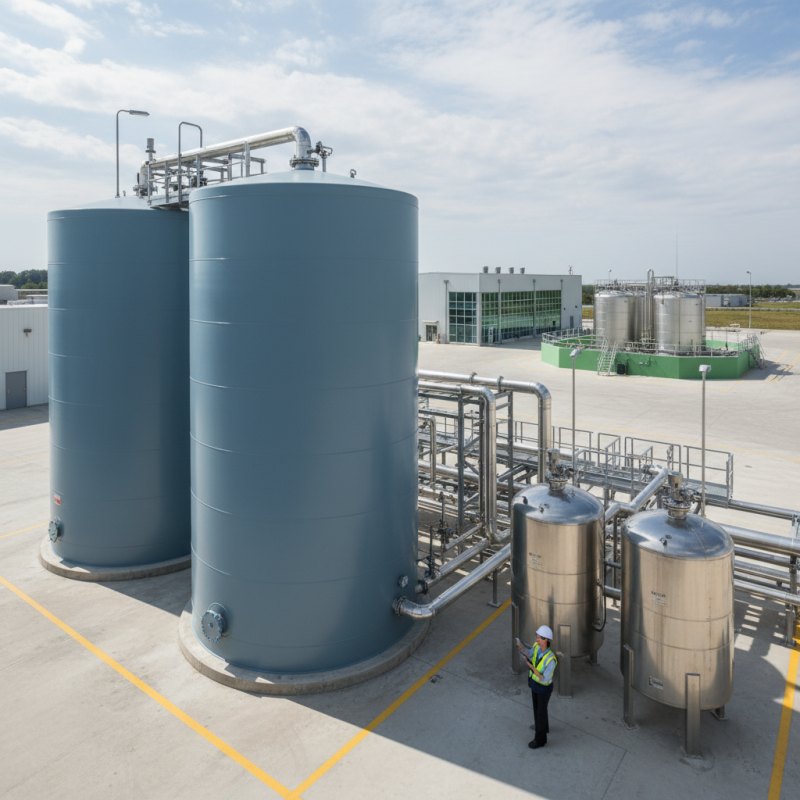
Best Chemical Storage Tanks for Safe and Efficient Use?

Types of Chemical Storage Tanks and Their Applications

When selecting a chemical storage tank, understanding various types is essential. There are several categories, each tailored for specific applications. For instance, polyethylene tanks are lightweight and resistant to corrosion. They are ideal for storing acidic or alkaline chemicals. Their durability suits many industrial environments.

Steel tanks provide strength and reliability. They often store larger volumes of chemicals. These tanks can be coated to enhance chemical resistance. However, they require regular inspection. This maintenance ensures integrity over time. Improper care could lead to leaks, posing safety hazards.

Fiberglass tanks offer another option. They are non-reactive, making them perfect for sensitive materials. Yet, they can be more fragile than other materials. The balance between durability and fragility is crucial. Choosing the right tank involves evaluating your specific needs and risks.

Best Chemical Storage Tanks for Safe and Efficient Use

This chart illustrates the typical storage capacity of different types of chemical storage tanks. Polyethylene tanks are commonly used for smaller volumes, while carbon steel tanks can accommodate larger capacities. Understanding these specifications helps in selecting the right tank for safe and efficient chemical storage.

Materials Used in Chemical Storage Tanks and Their Durability

When selecting materials for chemical storage tanks, safety and durability are paramount. Common options include polyethylene, fiberglass, and stainless steel. Each material has unique strengths that make it suitable for various chemicals.

Polyethylene is lightweight and resistant to corrosion, ideal for storing acids and bases. However, it may not withstand extreme temperatures or UV exposure well.

Fiberglass offers excellent resistance to chemical damage and is less prone to degradation over time. It can endure harsh environments, making it a reliable choice for storage. Nevertheless, the repair process for fiberglass can be complex, presenting challenges in maintenance.

Stainless steel is durable and strong, capable of handling high temperatures and pressures. Yet, it can be susceptible to specific chemicals, necessitating careful selection based on the substances stored.

While these materials have their benefits, there are limitations to consider. For instance, polyethylene tanks may weaken over time, especially if subjected to strong solvents. This vulnerability can lead to leaks and potential hazards. Fiberglass might require specialized maintenance expertise, complicating its long-term use.

Understanding these factors can help ensure safe and efficient storage of chemicals, avoiding potential risks and maximizing usability.

Safety Standards and Regulations for Chemical Storage Tanks

Chemical storage tanks play a crucial role in managing hazardous materials safely. Understanding safety standards and regulations is vital for compliance and risk mitigation. Tanks should meet guidelines set by reputable organizations to ensure safe handling of chemicals. These standards often address tank materials, structural integrity, and environmental impact.

Regular inspections are essential. Inspecting for leaks, corrosion, and mechanical wear can prevent accidents. Keep records of inspections. They foster transparency and provide proof of compliance with safety regulations. Failure to document could lead to significant liabilities down the line.

Tips: Always train personnel on emergency procedures. Maintain clear labeling of stored chemicals. This prevents confusion and enhances safety. Additionally, ensure proper ventilation systems are in place. Poor air quality can lead to unsafe working conditions. Understanding these aspects can help improve safety standards in chemical storage.

Best Practices for Maintaining and Inspecting Chemical Storage Tanks

Maintaining and inspecting chemical storage tanks is crucial for safety and efficiency. Regular inspections help identify leaks, corrosion, and other issues. Check the tank for signs of wear. Use appropriate safety gear during inspections. This minimizes risks to personnel and the environment.

Implementing a routine maintenance schedule is essential. Ensure all staff are trained in tank handling. This training should cover emergency procedures and proper storage practices. When conducting maintenance, document every action taken. Good record-keeping enhances accountability and can help in audits.

Inevitably, human error can occur. Equipment might fail unexpectedly, or procedures could be overlooked. It’s vital to learn from these instances. Establish a culture of continuous improvement. Encourage teams to report near-misses. This feedback loop can significantly enhance safety protocols. Regularly review and update inspection checklists based on past experiences.

Best Chemical Storage Tanks for Safe and Efficient Use

Tank Type Material Storage Capacity (Liters) Application Inspection Frequency
Fiberglass Tank Fiberglass Reinforced Plastic 5000 Corrosive Chemicals Annually
Polyethylene Tank Polyethylene 3000 Acids and Bases Biannually
Steel Tank Carbon Steel 10000 Flammable Liquids Quarterly
Stainless Steel Tank Stainless Steel 7500 Food and Beverages Monthly

Factors to Consider When Selecting a Chemical Storage Tank

Choosing the right chemical storage tank is critical for safety and efficiency. Several factors should be considered to ensure compliance and reliability. Material compatibility is key. Tanks made from polyethylene or fiberglass may resist corrosive chemicals better than traditional steel tanks. According to the Plastic Industry Association, about 75% of chemical spills result from improper storage, highlighting the importance of selecting the right materials.

Tank size is also a significant consideration. A study by the Chemical Safety Board notes that tanks must accommodate expansion from temperature changes. Under-sizing can lead to dangerous overflows. Environmental factors, such as temperature and humidity, affect the structural integrity of the tank. Regular inspections are crucial. Tanks should be monitored for leaks and corrosion, as these are common failure points.

Chemical compatibility is not just about the substances stored. It's about understanding how they interact within different environments. Misjudgments can result in catastrophic events. Operators should assess their training and experience with hazardous materials, as improper handling accounts for 32% of chemical accidents, according to OSHA. Continuous education in tank maintenance is essential for preventing failures and ensuring safety.

Copyright 2025 Fluidra S.A. | Created by BCM Marketing Agencia Privacy Policy Legal note | Cookie policy |

Technical cookies are strictly necessary for our website to work and you can navigate through it. These types of cookies are those that, for example, allow us to identify you, give you access to certain restricted parts of the page if necessary, or remember different options or services already selected by you, such as your privacy preferences. Therefore, they are activated by default, your authorization not being necessary in this regard. Through the configuration of your browser, you can block or alert the presence of this type of cookies, although such blocking will affect the proper functioning of the different functionalities of our website.


The analysis cookies allow us to study the navigation of the users of our website in general (for example, which sections of the page are the most visited, which services are used most and if they work correctly, etc.). From the statistical information on navigation on our website, we can improve both the operation of the page itself and the different services it offers. Therefore, these cookies do not have an advertising purpose, but only serve to make our website work better, adapting to our users in general. By activating them you will contribute to this continuous improvement. You can enable or disable these cookies by checking the corresponding box, being disabled by default.


Functionality cookies allow us to remember your preferences, to personalize certain characteristics and general options of our website, every time you access it (for example, the language in which the information is presented to you, the sections marked as favorites, your browser type, etc.) Therefore, this type of cookies does not have an advertising purpose, but by activating them you will improve the functionality of the website (for example, adapting to your type of browser) and the customization of it based on your preferences (for example, by presenting the information in the language that you have chosen in previous occasions), which will contribute to the ease, usability and comfort of our page during your navigation. You can enable or disable these cookies by checking the corresponding box, being disabled by default.


Advertising cookies allow us to manage the advertising spaces included in our website based on criteria such as the content shown or the frequency in which the ads are displayed. For example, if you have been shown the same ad several times on our website, and you have not shown a personal interest by clicking on it, it will not appear again. In summary, by activating this type of cookies, the advertising shown on our website will be more useful and diverse, and less repetitive. You can enable or disable these cookies by checking the corresponding box, being disabled by default.


Behavioral advertising cookies allow us to obtain information based on the observation of your browsing habits and behaviors on the web, in order to show you advertising content that best suits your personal tastes and interests. To understand it in a very simple way, we will give you a fictitious example: if your last searches on the web were related to suspense literature, we would show you advertising about suspense books. Therefore, activating this type of cookies, the advertising that we show you on our website will not be generic, but will be oriented to your searches, tastes and interests, therefore adjusting exclusively to you. You can enable or disable these cookies by checking the corresponding box, being disabled by default.
To understand it in a very simple way, we will give you a fictitious example: if your last searches on the web were related to suspense literature, we would show you advertising about suspense books. Therefore, activating this type of cookies, the advertising that we show you on our website will not be generic, but will be oriented to your searches, tastes and interests, therefore adjusting exclusively to you. You can enable or disable these cookies by checking the corresponding box, being disabled by default.

SAVE

We use our own and third-party cookies to ensure the proper functioning of the website and to analyse our services, improve your experience on our website and show you advertisements related to your interests according to profiling based on your browsing habits (e.g. websites visited). You can accept all cookies by clicking "ACCEPT" or set or reject them by clicking here. If you would like to know more about the use of cookies, please see our COOKIE POLICY.


ACCEPT ALL
Reject no essentials


