
Top 10 Benefits of Vision Inspection Systems for Manufacturers?
FLUID HANDLING EXPERTS

Blog, all our news

Top 10 Benefits of Vision Inspection Systems for Manufacturers?

In the manufacturing sector, the integration of Vision Inspection Systems has become a pivotal advancement. According to a report by Grand View Research, the global market for automated inspection systems is expected to reach $10.7 billion by 2025, growing steadily. This growth underscores the industry's acknowledgment of the critical role of quality control in production processes.

Vision Inspection Systems streamline operations by enhancing accuracy and reducing human error. Manufacturers that employ these systems report up to a 30% increase in efficiency. Systems can detect defects invisible to the naked eye, ensuring higher product quality. However, despite their advantages, challenges remain. Not all manufacturers effectively implement these systems due to costs and a lack of understanding.

The shift towards automation carries potential drawbacks, such as over-reliance on technology. Human oversight is still essential to adapt to unexpected failures. Nonetheless, the benefits of Vision Inspection Systems far outweigh the drawbacks. As the industry evolves, embracing this technology can lead to significant improvements.
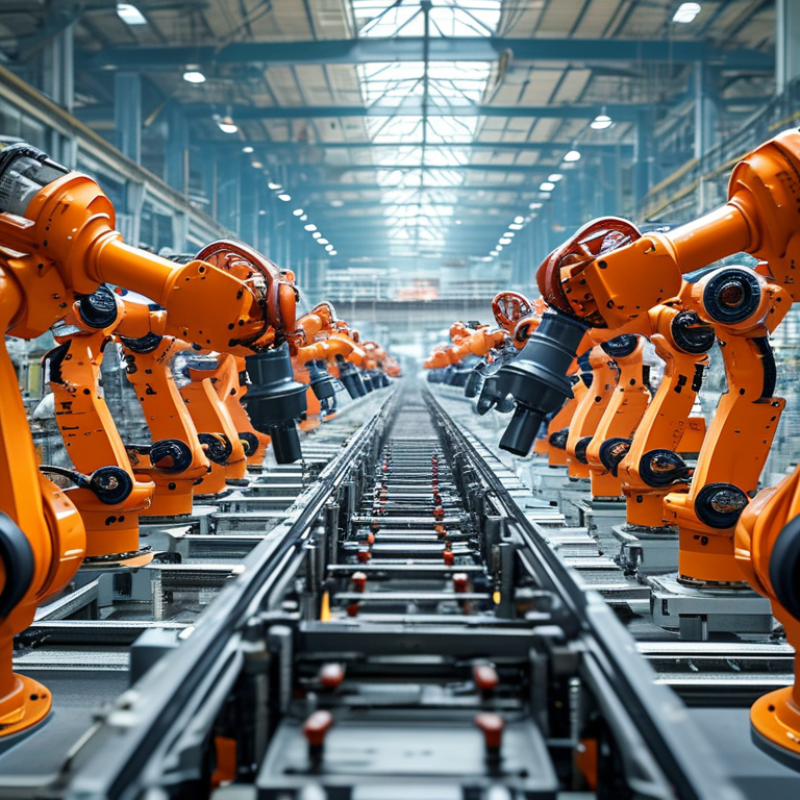
Top 10 Benefits of Vision Inspection Systems for Manufacturers?

Benefits of Enhanced Quality Control with Vision Inspection Systems

Manufacturers are increasingly turning to vision inspection systems. These systems enhance quality control and reduce errors in production. They utilize advanced imaging technology to detect defects. This leads to improved product reliability and consistency.

Enhanced quality control is essential for maintaining standards. Vision inspection systems can identify small defects that human inspectors might miss. This brings a higher level of precision to the production line. Real-time feedback allows manufacturers to correct issues immediately. It minimizes waste and reduces production costs.

However, reliance on technology can have drawbacks. False positives may occur, leading to unnecessary scrapping of good products. Additionally, systems require regular updates and calibration. Companies must invest time and resources into maintenance. Over time, operators may even become overly dependent on automated systems. Reflecting on these limitations is crucial for balanced quality management.

Top 10 Benefits of Vision Inspection Systems for Manufacturers

Reduction of Manufacturing Costs Through Automation in Vision Systems

Vision inspection systems are increasingly vital in manufacturing. They automate quality assurance and help reduce costs significantly. According to a report by MarketsandMarkets, the machine vision market is expected to reach $12 billion by 2025. This growth highlights the efficiency gained through automation.

Manufacturers utilizing vision systems can cut costs by up to 30%. Automation reduces labor costs and decreases errors caused by manual inspections. For instance, when a manufacturing plant implemented vision systems, they saw a 15% reduction in defective products. Such improvements not only save money but also enhance product quality.

Despite these advancements, challenges remain. Not all manufacturers fully integrate these systems. Technical difficulties can arise, making implementation a hurdle. However, the long-term benefits often outweigh these initial complications. Manufacturers must weigh both the costs of automation and the potential for improved efficiency. Opting for vision inspection systems may require initial investment, but the potential reductions in manufacturing costs are substantial.

Improvement in Production Speed and Efficiency Using Vision Technology

Vision inspection systems play a crucial role in enhancing production speed and efficiency. These systems automate the inspection process, reducing the time spent on manual checks. By integrating advanced camera technology, manufacturers can identify defects quickly. This not only minimizes delays but also streamlines workflows on the production line.

Operators often find that relying on vision technology leads to more consistent quality. Inconsistent manual inspections can lead to human error. However, automated systems provide reliable and repeatable results. This fosters a dependable production environment. Yet, it's important to remember that these systems require proper setup and calibration. Neglecting this can negate their benefits and affect productivity.

Furthermore, teams should regularly assess the performance of their vision inspection systems. Continuous improvement in technology and processes is essential. Regular training for staff is crucial to maximize these systems' effectiveness. Adopting a growth mindset can mitigate inefficiencies and enhance overall production performance.

Minimization of Human Error in Inspections with Automated Systems

Automated vision inspection systems play a crucial role in manufacturing. One significant benefit is the reduction of human error in the inspection process. Human inspectors can be affected by fatigue and distraction. In contrast, automated systems remain focused and consistent throughout their operation. This consistency leads to more reliable quality control.

Automation enhances accuracy. Vision systems can detect minute defects that might escape the human eye. They utilize advanced algorithms to analyze images quickly and precisely. However, no system is flawless. Sometimes, false positives or missed defects can occur. These imperfections remind manufacturers that regular calibration and validation of equipment are necessary. Balancing automated inspections with human oversight can bridge potential gaps.

Implementing these systems requires upfront investment. Initial costs can be daunting for some manufacturers. Training staff to operate and maintain these systems also takes time and resources. Despite these challenges, the long-term benefits often outweigh the drawbacks, leading to improved product quality and operational efficiency. As technology evolves, continuous improvement in these systems will further assist manufacturers in minimizing errors.

Data Analytics Integration for Continuous Improvement in Manufacturing Processes

Integrating data analytics into vision inspection systems enhances manufacturing processes significantly. By employing real-time analysis, manufacturers can identify defects as they occur. This capability minimizes waste and maximizes product quality. Decision-makers can gain insights from immediate data, leading to faster responses to production issues.

Predictive analytics further allows for anticipating problems before they arise, effectively minimizing downtime.

Manufacturers must recognize the value of accurate data. However, not all data is actionable. The challenge lies in filtering useful insights from noise. Sometimes, critical information may be overlooked. Data integrity is crucial, and ensuring this may require additional resources and training. Regular audits of data collection processes help maintain reliability. Organizations often struggle with implementing these systems effectively, as adapting to new technologies can be overwhelming.

Fostering a culture of continuous improvement can alleviate these issues, encouraging staff to embrace changes rather than resist them.

Copyright 2025 Fluidra S.A. | Created by BCM Marketing Agencia Privacy Policy Legal note | Cookie policy |

Technical cookies are strictly necessary for our website to work and you can navigate through it. These types of cookies are those that, for example, allow us to identify you, give you access to certain restricted parts of the page if necessary, or remember different options or services already selected by you, such as your privacy preferences. Therefore, they are activated by default, your authorization not being necessary in this regard. Through the configuration of your browser, you can block or alert the presence of this type of cookies, although such blocking will affect the proper functioning of the different functionalities of our website.


The analysis cookies allow us to study the navigation of the users of our website in general (for example, which sections of the page are the most visited, which services are used most and if they work correctly, etc.). From the statistical information on navigation on our website, we can improve both the operation of the page itself and the different services it offers. Therefore, these cookies do not have an advertising purpose, but only serve to make our website work better, adapting to our users in general. By activating them you will contribute to this continuous improvement. You can enable or disable these cookies by checking the corresponding box, being disabled by default.


Functionality cookies allow us to remember your preferences, to personalize certain characteristics and general options of our website, every time you access it (for example, the language in which the information is presented to you, the sections marked as favorites, your browser type, etc.) Therefore, this type of cookies does not have an advertising purpose, but by activating them you will improve the functionality of the website (for example, adapting to your type of browser) and the customization of it based on your preferences (for example, by presenting the information in the language that you have chosen in previous occasions), which will contribute to the ease, usability and comfort of our page during your navigation. You can enable or disable these cookies by checking the corresponding box, being disabled by default.


Advertising cookies allow us to manage the advertising spaces included in our website based on criteria such as the content shown or the frequency in which the ads are displayed. For example, if you have been shown the same ad several times on our website, and you have not shown a personal interest by clicking on it, it will not appear again. In summary, by activating this type of cookies, the advertising shown on our website will be more useful and diverse, and less repetitive. You can enable or disable these cookies by checking the corresponding box, being disabled by default.


Behavioral advertising cookies allow us to obtain information based on the observation of your browsing habits and behaviors on the web, in order to show you advertising content that best suits your personal tastes and interests. To understand it in a very simple way, we will give you a fictitious example: if your last searches on the web were related to suspense literature, we would show you advertising about suspense books. Therefore, activating this type of cookies, the advertising that we show you on our website will not be generic, but will be oriented to your searches, tastes and interests, therefore adjusting exclusively to you. You can enable or disable these cookies by checking the corresponding box, being disabled by default.
To understand it in a very simple way, we will give you a fictitious example: if your last searches on the web were related to suspense literature, we would show you advertising about suspense books. Therefore, activating this type of cookies, the advertising that we show you on our website will not be generic, but will be oriented to your searches, tastes and interests, therefore adjusting exclusively to you. You can enable or disable these cookies by checking the corresponding box, being disabled by default.

SAVE

We use our own and third-party cookies to ensure the proper functioning of the website and to analyse our services, improve your experience on our website and show you advertisements related to your interests according to profiling based on your browsing habits (e.g. websites visited). You can accept all cookies by clicking "ACCEPT" or set or reject them by clicking here. If you would like to know more about the use of cookies, please see our COOKIE POLICY.


ACCEPT ALL
Reject no essentials


