
What Are the Benefits of Using Mild Steel Pipe in Construction?
FLUID HANDLING EXPERTS

Blog, all our news

What Are the Benefits of Using Mild Steel Pipe in Construction?

Mild Steel Pipe is gaining attention in construction due to its versatility and strength. John Smith, a leading expert in material engineering, states, "Mild Steel Pipe is an essential component for modern construction projects." His insight highlights the importance of this material.

The benefits of using Mild Steel Pipe extend beyond its affordability. This type of pipe offers excellent tensile strength and flexibility. Such characteristics allow for resistance against extreme weather and pressures. However, it's imperative to consider its susceptibility to corrosion, which can impact its longevity.

Mild Steel Pipe also contributes to sustainable building practices. Its recyclability makes it an eco-friendly choice. This aspect is increasingly relevant in contemporary construction. Despite its many advantages, engineers should assess site-specific conditions to ensure optimal performance.
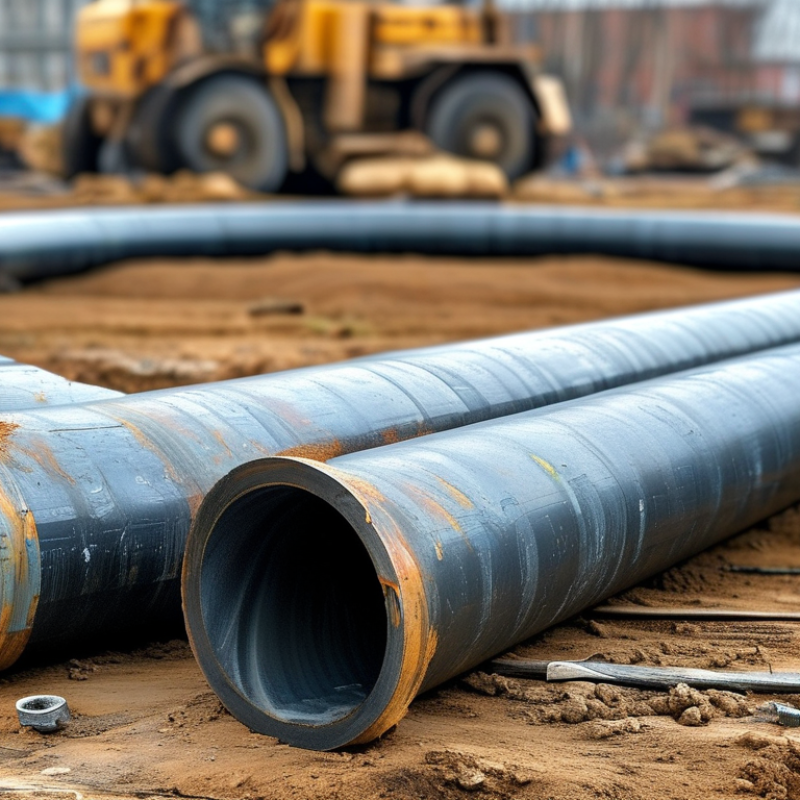
What Are the Benefits of Using Mild Steel Pipe in Construction?

Benefits of Mild Steel Pipe in Structural Integrity and Stability

Mild steel pipe is a popular choice in construction due to its structural integrity. It provides excellent strength while remaining lightweight. This balance makes it an ideal material for various applications, including scaffolding and pipelines. The flexibility of mild steel allows for easy handling and installation, which can speed up project timelines.

One of the key benefits of mild steel pipe is its resistance to deformation. This characteristic helps maintain the stability of structures, especially under varying loads. Additionally, mild steel can withstand extreme temperatures and environmental conditions, making it suitable for outdoor construction. However, it is important to note that mild steel is prone to corrosion. This means that protective coatings or regular maintenance may be necessary to ensure longevity.

Tips for ensuring structural integrity include selecting the right gauge of mild steel. Thicker pipes typically provide better strength. Also, consider the type of joints used in construction. Proper jointing can significantly enhance the stability of the entire structure. Regular inspections can help identify potential issues early. Taking these precautions can help avoid costly repairs down the line.

Cost-Effectiveness of Mild Steel Pipes in Construction Projects

Mild steel pipes are increasingly popular in construction projects due to their cost-effectiveness. Research from industry reports indicates that mild steel pipes can reduce project costs by up to 30%. This is largely attributed to their lower initial material costs compared to alternatives like stainless steel or copper. Buildings and infrastructures utilizing mild steel pipes may show significant savings while maintaining structural integrity.

Another key point is the availability of mild steel. It is one of the most widely produced metals in the world. With over 1.6 billion tons produced annually, sourcing mild steel pipe is rarely a challenge. This widespread availability helps keep prices competitive and reduces supply chain disruptions, which can often inflate project costs.

However, there are considerations. Mild steel, while strong, is prone to corrosion if not properly treated. This could lead to long-term maintenance costs that offset initial savings. It’s crucial to evaluate the total life cycle of mild steel pipes before finalizing decisions. Potential buyers should weigh upfront savings against future maintenance needs to ensure a truly cost-effective approach.

Cost-Effectiveness of Mild Steel Pipes in Construction Projects

Corrosion Resistance Features of Mild Steel Pipes in Various Environments

Mild steel pipes offer substantial corrosion resistance, making them an ideal choice for construction in various environments. In areas with moderate humidity, these pipes can perform remarkably well. Their resistance to rust and deterioration is due to the presence of iron, which forms a protective oxide layer. However, in extremely corrosive conditions, such as coastal areas, additional protective measures may be necessary.

For best results, coatings or galvanization can enhance the durability of mild steel pipes. These treatments provide an extra barrier against moisture and salt, preventing corrosion. It's essential to consider the environment when selecting mild steel pipes. A thorough analysis will help in choosing the right protective measures.

Proper maintenance is key. Regular inspections can catch early signs of corrosion and address them swiftly. Always keep a log of maintenance activities to ensure your structures remain in good condition. Staying proactive can save significant costs down the line. While mild steel pipes have their strengths, they require careful evaluation depending on their environment.

Ease of Fabrication and Installation of Mild Steel Pipes in Construction

Mild steel pipes are widely used in construction due to their ease of fabrication and installation. These pipes are known for their malleability, which allows them to be easily cut, shaped, and welded. This characteristic reduces material waste during construction projects. According to a report by the American Institute of Steel Construction, about 70% of steel utilized in construction is mild steel due to its adaptability and cost-effectiveness.

Mild steel pipes offer a straightforward installation process. Construction teams can quickly set up these pipes, which results in faster project completion times. Some studies indicate that using mild steel can shorten installation timelines by up to 30%. This efficiency is vital in meeting project deadlines and reducing labor costs. However, while mild steel is strong, it can rust if not properly coated. Therefore, it’s crucial to maintain the pipes with suitable protective treatments.

For best results, consider using prefabricated pipe sections. This can save on-site labor time. Additionally, always inspect the pipes for any defects before installation. Ensuring quality at this stage can prevent future issues. Regular training for installation crews on the latest techniques can also improve overall project quality.

Versatility of Mild Steel Pipes in Diverse Construction Applications

Mild steel pipes offer remarkable versatility in construction applications. Their malleability allows for various shapes and sizes, meeting different structural requirements. From large infrastructure projects to smaller residential builds, mild steel pipes are essential. They can be easily welded, making them ideal for complex designs. This adaptability is a significant advantage over other materials.

In plumbing and HVAC systems, mild steel pipes are often utilized due to their strength and affordability. They can handle high pressure and temperature variations. However, they are prone to rust and corrosion. Proper protective coatings are necessary. This aspect requires careful planning and maintenance strategies.

Despite their benefits, some challenges must be addressed. Investing in the right protective measures can add to the overall cost. Structural failures can occur if not properly maintained. Awareness of these factors creates a responsible approach to using mild steel pipes. Balancing their strengths with potential weaknesses is essential in any construction project.

Copyright 2025 Fluidra S.A. | Created by BCM Marketing Agencia Privacy Policy Legal note | Cookie policy |

Technical cookies are strictly necessary for our website to work and you can navigate through it. These types of cookies are those that, for example, allow us to identify you, give you access to certain restricted parts of the page if necessary, or remember different options or services already selected by you, such as your privacy preferences. Therefore, they are activated by default, your authorization not being necessary in this regard. Through the configuration of your browser, you can block or alert the presence of this type of cookies, although such blocking will affect the proper functioning of the different functionalities of our website.


The analysis cookies allow us to study the navigation of the users of our website in general (for example, which sections of the page are the most visited, which services are used most and if they work correctly, etc.). From the statistical information on navigation on our website, we can improve both the operation of the page itself and the different services it offers. Therefore, these cookies do not have an advertising purpose, but only serve to make our website work better, adapting to our users in general. By activating them you will contribute to this continuous improvement. You can enable or disable these cookies by checking the corresponding box, being disabled by default.


Functionality cookies allow us to remember your preferences, to personalize certain characteristics and general options of our website, every time you access it (for example, the language in which the information is presented to you, the sections marked as favorites, your browser type, etc.) Therefore, this type of cookies does not have an advertising purpose, but by activating them you will improve the functionality of the website (for example, adapting to your type of browser) and the customization of it based on your preferences (for example, by presenting the information in the language that you have chosen in previous occasions), which will contribute to the ease, usability and comfort of our page during your navigation. You can enable or disable these cookies by checking the corresponding box, being disabled by default.


Advertising cookies allow us to manage the advertising spaces included in our website based on criteria such as the content shown or the frequency in which the ads are displayed. For example, if you have been shown the same ad several times on our website, and you have not shown a personal interest by clicking on it, it will not appear again. In summary, by activating this type of cookies, the advertising shown on our website will be more useful and diverse, and less repetitive. You can enable or disable these cookies by checking the corresponding box, being disabled by default.


Behavioral advertising cookies allow us to obtain information based on the observation of your browsing habits and behaviors on the web, in order to show you advertising content that best suits your personal tastes and interests. To understand it in a very simple way, we will give you a fictitious example: if your last searches on the web were related to suspense literature, we would show you advertising about suspense books. Therefore, activating this type of cookies, the advertising that we show you on our website will not be generic, but will be oriented to your searches, tastes and interests, therefore adjusting exclusively to you. You can enable or disable these cookies by checking the corresponding box, being disabled by default.
To understand it in a very simple way, we will give you a fictitious example: if your last searches on the web were related to suspense literature, we would show you advertising about suspense books. Therefore, activating this type of cookies, the advertising that we show you on our website will not be generic, but will be oriented to your searches, tastes and interests, therefore adjusting exclusively to you. You can enable or disable these cookies by checking the corresponding box, being disabled by default.

SAVE

We use our own and third-party cookies to ensure the proper functioning of the website and to analyse our services, improve your experience on our website and show you advertisements related to your interests according to profiling based on your browsing habits (e.g. websites visited). You can accept all cookies by clicking "ACCEPT" or set or reject them by clicking here. If you would like to know more about the use of cookies, please see our COOKIE POLICY.


ACCEPT ALL
Reject no essentials


