
LED Surgical Light has transformed the landscape of surgical procedures. Hospitals are increasingly adopting this advanced lighting technology. The benefits are substantial and varied. Enhanced visibility is one significant advantage. Surgeons can see details more clearly, which increases precision. This clarity can ultimately lead to better patient outcomes.
Moreover, LED Surgical Lights are energy-efficient. They consume less power, resulting in lower operational costs for hospitals. This efficiency also means reduced heat output. Consequently, surgical teams can maintain a comfortable environment during long procedures. The long lifespan of LED lights is another factor to consider. They require less frequent replacement, which saves time and resources.
Despite these advantages, there are challenges. Not all facilities can afford to upgrade to LED technology immediately. Training staff on new systems is vital for maximizing benefits. It's essential for hospitals to weigh these factors carefully. Transitioning to LED Surgical Light is a step towards better healthcare delivery. It reflects a commitment to improving the surgical experience for both the patient and the surgical team.
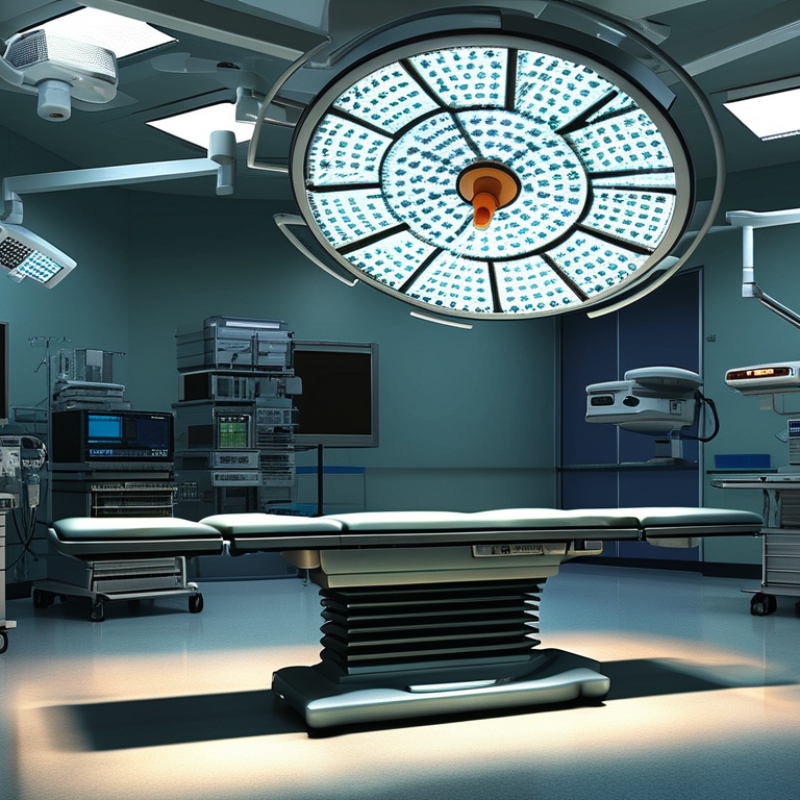
LED surgical lights have transformed operating rooms by enhancing visibility. They emit a high-intensity, focused beam that directs light precisely onto the surgical site. This precision aids surgeons in performing intricate procedures with greater accuracy. Surgeons can see fine details and minor structures better, which increases operational efficiency.
One significant advantage of LED surgical lights is their cool temperature. Unlike traditional lighting, LEDs generate minimal heat. This feature reduces the risk of overheating the surgical area. Additionally, the lights have an extended life span, leading to lower maintenance costs. Hospitals can allocate resources more effectively, though initial investment levels may still be a concern.
While LED surgical lights offer numerous benefits, challenges remain. Some healthcare professionals question the upfront costs. Moreover, proper training on using these advanced systems is essential. Not all medical staff may be familiar with LED technology. Continuous education and evaluations will ensure optimal use, addressing any shortcomings in the transition from traditional lighting.

Energy efficiency is increasingly vital for hospitals. LED surgical lights exemplify this shift. Studies indicate that LED lights can cut energy consumption by up to 75%. This dramatic reduction helps hospitals save significantly on operational costs. In fact, a typical hospital can save thousands of dollars annually by switching to LED systems.
Implementing LED lighting systems can also influence sustainability goals. Hospitals often face challenges in minimizing their carbon footprint. Transitioning to LED lights aligns well with these objectives. Data shows that these lights not only last longer—often over 50,000 hours—but also reduce heat output. This can lead to lower air conditioning costs in operating rooms.
However, some facilities may struggle to track these savings accurately. Traditional lighting systems can mask inefficiencies, making it tough to see potential gains. Staff training on the new systems may also be needed. Change can be slow in healthcare, yet the potential for savings and improved care quality is substantial. Hospitals that prioritize energy-efficient lighting systems may find themselves at the forefront of sustainable healthcare practices.
Improving the Color Rendering Index (CRI) in LED surgical lights significantly enhances visibility during medical procedures. A high CRI means that colors are rendered more accurately. This is crucial in surgery, as accurate color perception helps surgeons identify tissues and blood more effectively. When colors are distorted, it can lead to complications or errors.
Surgeons rely on precise light quality while performing intricate tasks. LED surgical lights can produce white light with a CRI of over 90, showcasing reds and greens more vividly. This feature aids in differentiating between healthy and diseased tissues, thereby improving surgical outcomes. Proper lighting allows for confidence in diagnostics and surgical maneuvers.
Tip: Ensure the lighting system is positioned correctly to avoid shadows. Shadows can obscure critical areas, leading to misjudgments. This positioning is vital, especially in deeper surgical sites.
Tip: Regular maintenance and calibration of the lights enhance their longevity and performance. Outdated or poorly functioning lights can undermine the benefits of a high CRI. The investment in quality lighting pays off with better visibility and safer procedures.
LED surgical lights have gained recognition in the medical field due to their long lifespan. Traditional lighting often requires frequent replacement, which can disrupt operations. Research indicates that LED lights can last up to 50,000 hours, significantly reducing maintenance needs. This longevity means hospitals can allocate resources more effectively.
For surgical facilities, lower maintenance translates into financial savings. A study by the American Journal of Surgery revealed that switching to LED lights could cut replacement costs by nearly 70%. This shift minimizes downtime and potential disruptions during critical procedures. Additionally, the reduced frequency of bulb changes lessens waste, supporting sustainable practices within healthcare.
Despite these benefits, there are challenges to consider. Initial costs for LED lights can be higher than traditional options. Furthermore, hospitals must ensure proper installation and compatibility with their existing systems. Detailed assessments are necessary to optimize performance and maintain safety standards. Recognizing these aspects is crucial when transitioning to LED surgical lighting.
LED surgical lights bring numerous advantages to operating rooms, particularly through their lower heat emission. This aspect significantly enhances comfort for both patients and surgical teams. Traditional halogen lights generate substantial heat, often leading to increased temperatures in the surgical environment. A study published in the Journal of Surgical Research highlighted that LED lights emit up to 70% less heat. This reduction not only improves patient comfort but also allows surgical teams to focus better without the distraction of excessive warmth.
Furthermore, cooler lighting creates a more stable operating environment. Surgeons often wear heavy gowns and masks, contributing to heat retention. An environment with lower temperatures can decrease fatigue, thereby improving concentration during lengthy procedures. The National Center for Biotechnology Information noted that surgical complications can increase due to fatigue-related errors. Hence, the role of LED lights in reducing heat is pivotal. While the advantages are clear, the transition to LED lighting should be approached with careful consideration of specific surgical needs. Adapting to innovative lighting solutions requires evaluation of their efficacy in practice.
| Benefit | Description | Impact on Patients | Impact on Surgical Teams |
|---|---|---|---|
| Lower Heat Emission | LED lights produce less heat compared to traditional surgical lights. | Increased comfort during longer procedures. | Reduced risk of overheating and discomfort for surgeons. |
| Energy Efficiency | LEDs consume less power, leading to lower energy bills. | Indirect cost savings can help maintain budget for patient care. | Access to better resources due to savings on energy. |
| Longer Lifespan | LED lights can last up to 50,000 hours or more. | Less frequent replacements lead to consistent care quality. | Less maintenance means more focus on surgical tasks. |
| Better Light Quality | LEDs provide bright, white light with no flicker. | Improved visibility during procedures enhances patient safety. | Enables precise work due to superior lighting conditions. |
| Reduced Glare | Specially designed to minimize glare in the surgical field. | More comfortable experience for patients under direct light. | Enhances focus by reducing visual strain for the surgical team. |
| Surgical Precision | Allows for optimal visualization and detail in surgical procedures. | Improved outcomes due to better visibility of surgical site. | Increased confidence and accuracy for surgeons. |
| Flexible Design | Lights can be positioned and adjusted easily for optimal angles. | Allows comfort adjustments for patients. | Facilitates various surgical procedures without light obstructions. |
| Environmentally Friendly | LEDs do not contain toxic elements like mercury. | Promotes a safer environment for patients. | Supports sustainable practices in healthcare settings. |
| Cost-Effectiveness | Lower operational costs through energy savings and durability. | More funds available for patient care improvements. | Allows investment in advanced surgical technologies. |
| Easy Maintenance | LED technology tends to need less maintenance than traditional lights. | Consistent quality of care without interruptions. | Saves time and resources in maintenance operations. |

Cepex is the brand for the fluid handling market belonging to the Fluidra group. One of the leading european manufacturer of valves and fittings in thermoplastic materials.
Dedicated to the swimming pool, irrigation and industrial markets, we distribute our products worldwide with the Fluidra commercial network and presence in 46 countries with 136 sales branches.


