
Melamine MDF has gained significant popularity in the global market. This material offers a unique combination of durability, aesthetics, and cost-effectiveness. Buyers increasingly recognize its potential in various applications, from furniture production to interior design.
One of the key benefits of Melamine MDF is its resistance to moisture and wear. This adds longevity and reduces maintenance costs. Additionally, the variety of finishes available allows for creative designs that can enhance the overall appeal of any project.
However, while there are many advantages, potential buyers should also consider some downsides. For instance, Melamine MDF can be sensitive to extreme temperatures. Understanding the balance between its benefits and limitations is essential. This knowledge empowers buyers to make informed decisions and select the right material for their specific needs.
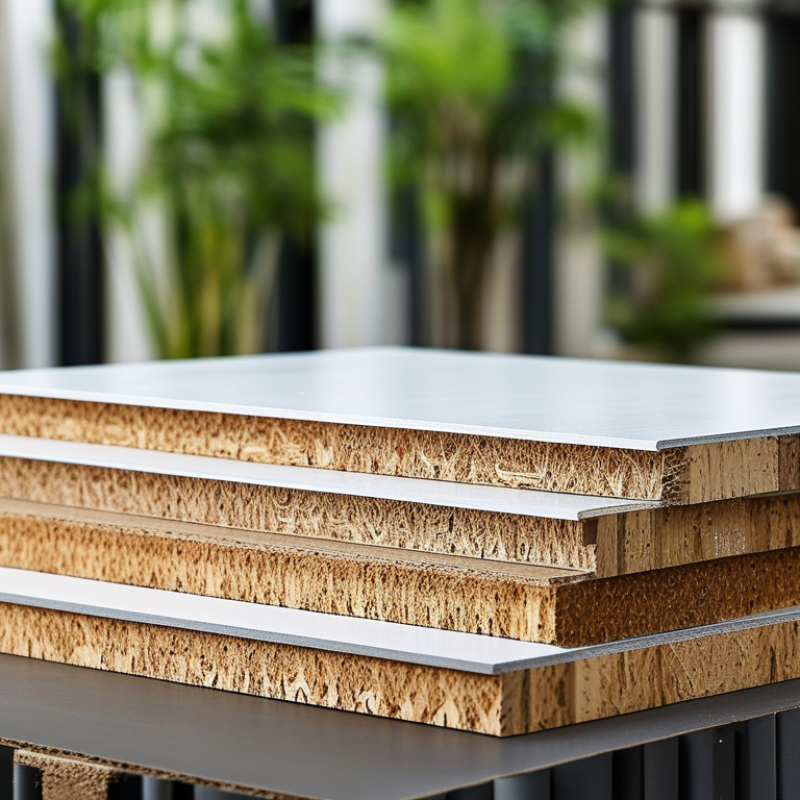
Melamine MDF has emerged as a popular choice for global buyers, particularly in the furniture and cabinetry sectors. Its surface finish is not only aesthetically pleasing but also durable, making it a strong contender in modern design. According to a report by Grand View Research, the global MDF market is expected to reach USD 17.52 billion by 2025, with melamine-coated MDF gaining substantial market share.
One of the key advantages of melamine MDF is its resistance to moisture and stains. This characteristic is vital for furniture used in kitchens and bathrooms. A study from the Wood Products Council highlights that melamine laminates can last significantly longer than untreated wood in similar environments. Additionally, melamine MDF is lightweight yet strong, which enhances its handling and installation efficiency.
Environmental considerations also play a significant role. Melamine MDF is often made from recycled wood fibers. This can reduce waste and promote sustainability in the industry. However, buyers should consider the sourcing of these materials, as not all suppliers adhere to strict environmental standards. The reliability of suppliers can vary, making it essential for buyers to conduct thorough evaluations to ensure product integrity.

Melamine MDF is increasingly popular due to its impressive durability and strength. This engineered wood product combines medium-density fiberboard with a melamine resin finish. This process makes it resistant to scratches and water damage. As a result, it is a preferred choice for furniture and cabinetry.
In addition to its strength, melamine MDF offers excellent aesthetic appeal. It comes in various colors and textures, making it versatile for diverse design projects. Many builders appreciate its uniform surface, which allows for seamless applications. However, it’s essential to consider the environmental impact of production. While melamine MDF serves many purposes, it raises questions about sustainability and long-term effects.
The strength of melamine MDF is undeniable. It holds up well under heavy loads, making it ideal for shelving and storage solutions. Yet, it may not be the best choice for areas with extreme moisture, such as bathrooms. Understanding these limitations is crucial for effective use. Overall, while melamine MDF has considerable advantages, assessing its drawbacks is equally important.
Melamine MDF offers unique design versatility that appeals to global buyers. Its surface can mimic natural wood, stone, or vibrant colors. This flexibility allows designers to create diverse aesthetics for different environments, whether residential or commercial. According to the Wood Industry Market Report 2022, the demand for melamine-coated products has increased by 12% in recent years, reflecting its growing popularity among interior designers.
The finish of melamine MDF is not only visually appealing but also practical. It resists scratches and water, making it suitable for high-traffic areas. A study from the International Wood Products Association indicates that 70% of designers consider durability when choosing materials. This means that melamine MDF meets both aesthetic and functional needs. Yet, an important aspect to reflect on is its environmental impact. While many manufacturers use recycled materials, not all provide transparency about their sourcing.
Design trends continuously evolve, and melamine MDF must adapt to remain relevant. Something to ponder is the balance between innovation and sustainability. As consumers become more eco-conscious, the industry may face pressure to develop greener products. However, the aesthetic appeal of melamine MDF makes it a favorite choice in contemporary design. It bridges the gap between style and substance, illustrating how materials can fulfill varying needs.
Melamine MDF offers significant cost advantages for global buyers. This material is highly affordable, appealing to companies with budget constraints. In a competitive market, every saved dollar counts. Melamine MDF provides durability and versatility without the hefty price tag associated with solid wood or other materials.
One key aspect of Melamine MDF is its ease of manufacturing. The material can be produced quickly, reducing labor costs and manufacturing time. This efficiency translates into lower overall project costs. Additionally, its surface requires minimal maintenance, which is an attractive feature for long-term savings. However, while Melamine MDF is cost-effective, it's important to consider its limitations. Potential buyers should recognize that Melamine MDF may not hold up in high-moisture environments.
Investing in Melamine MDF can lead to long-term financial benefits. The combination of low initial cost and durability makes it an attractive option. Still, it's vital to weigh the pros and cons based on specific project needs. The growth of its popularity suggests buyers are finding good value. Taking time to assess individual requirements can help buyers maximize their investment.
Melamine MDF, or Medium Density Fiberboard, is gaining attention for its eco-friendly characteristics. Many global buyers seek sustainable alternatives in furniture and construction. According to recent industry reports, melamine MDF can be made from recycled wood fibers, reducing the reliance on virgin materials. This recycling ability significantly lowers carbon footprints and aligns with green initiatives.
Sustainability in manufacturing melamine MDF is notable. It's produced with less energy than traditional wood products, improving overall resource efficiency. The adhesives used are often low in volatile organic compounds (VOCs). This helps create healthier indoor environments. A study by the Forest Stewardship Council indicates that responsibly sourced melamine MDF can contribute to sustainable forestry efforts.
Tips: When selecting melamine MDF, consider suppliers with environmental certifications. Look for products labeled as free from harmful chemicals. Not all melamine MDF is created equal; do your research.
Emphasizing the eco-friendly nature of melamine MDF is crucial. However, there are limitations. Variations in production practices can affect sustainability claims. Buyers must remain vigilant about verifying sustainability certifications. Ensure that your choice aligns with your environmental values while addressing functional needs.

Cepex is the brand for the fluid handling market belonging to the Fluidra group. One of the leading european manufacturer of valves and fittings in thermoplastic materials.
Dedicated to the swimming pool, irrigation and industrial markets, we distribute our products worldwide with the Fluidra commercial network and presence in 46 countries with 136 sales branches.


