
7 Tips to Choose the Best Water Oxygen Meter?
FLUID HANDLING EXPERTS

Blog, all our news

7 Tips to Choose the Best Water Oxygen Meter?

Choosing the right Water Oxygen Meter can determine whether a pond, aquarium, or treatment tank is managed confidently or guessed at.

Aquatic ecologist Dr. Hans W. Paerl offers a useful reminder: “Oxygen is a master variable in aquatic ecosystems.” That principle makes oxygen measurement more than a routine check. It connects directly with fish stress, microbial activity, corrosion, and biological treatment performance.

The best device should match the water, not the sales brochure. A small aquarium may need a compact optical probe. A wastewater operator may require a rugged instrument with automatic temperature compensation and data logging. Saltwater introduces another concern. Salinity can distort readings when the meter lacks proper correction.

Calibration deserves attention. A meter that looks advanced can still produce poor results after a dirty sensor, weak membrane, or expired electrolyte. Keep that in mind.

Field conditions are rarely perfect.

Seven practical tips can make selection easier. Check the measurement range and stated accuracy. Compare optical and electrochemical sensor designs. Examine response time near aeration equipment. Confirm calibration procedures before purchase. Review battery life and display readability. Consider waterproofing and cleaning needs. Finally, inspect technical support and replacement-part availability.

One uncomfortable truth remains: no Water Oxygen Meter eliminates sampling mistakes. A probe placed beside an air stone may show unusually high oxygen. A warm sample may change before testing finishes. Even experienced users can overlook these details.

This guide examines those decisions closely. It focuses on dependable readings, realistic maintenance, and the small specifications that matter after purchase.
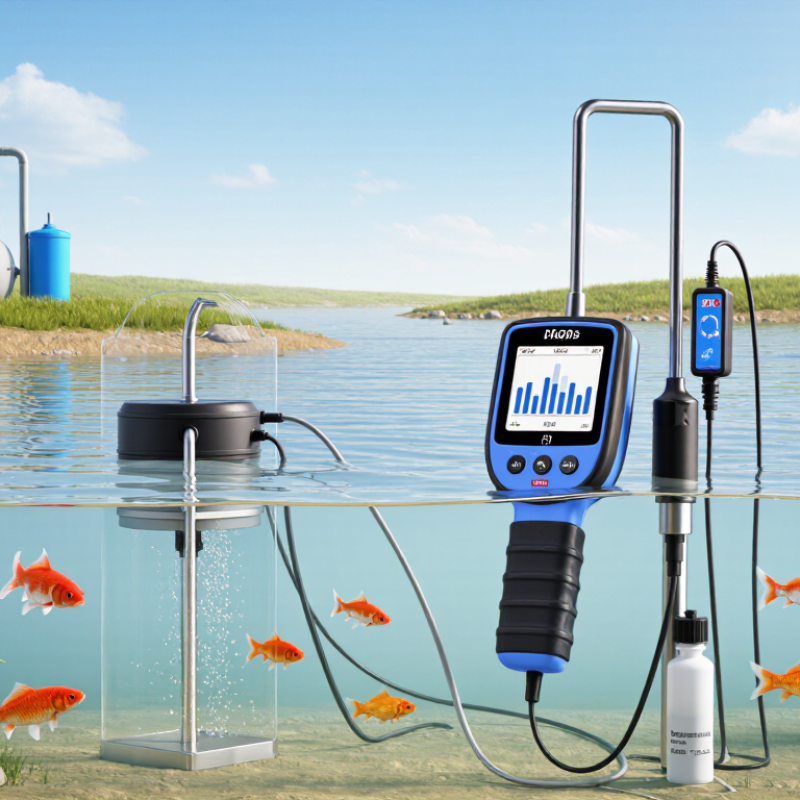
7 Tips to Choose the Best Water Oxygen Meter?

Understanding What a Water Oxygen Meter Measures

7 Tips to Choose the Best Water Oxygen Meter?

Understanding What a Water Oxygen Meter Measures

A water oxygen meter measures dissolved oxygen, usually shown in milligrams per liter (mg/L) or percent saturation. These readings indicate how much oxygen is available for fish, aquatic plants, and microorganisms. Temperature, water pressure, salinity, and movement can change the result. Cold water generally holds more oxygen than warm water. A reading without these conditions can be misleading.

Tip 1: Choose a meter with automatic temperature compensation. It improves accuracy during outdoor testing. Tip 2: Check whether the device measures salinity and atmospheric pressure. These settings matter near coasts, deep tanks, and changing weather. Tip 3: Prefer a clear display with stable readings. Small fluctuations are normal, but sudden jumps may signal a dirty sensor or poor contact.

Use the meter at the actual sampling depth. Avoid trapping air bubbles around the probe. Wait until the number stabilizes, then record the temperature and time. Calibration should follow the operating instructions, preferably before important measurements. In my own testing, rushing this step created readings that looked precise but were not dependable. I also learned that clean water does not always mean oxygen-rich water; algae activity and heat can alter oxygen quickly. No instrument is perfect. Regular checks against a trusted reference method can reveal drift before it affects decisions.

Checking Accuracy, Measuring Range, and Sensor Performance

Accuracy starts with the measurement environment, not the display. Choose a meter that supports automatic temperature and barometric compensation. Check the stated accuracy near your target range. Small errors matter. The USGS reports that air-saturated freshwater holds about 9.1 mg/L dissolved oxygen at 20°C, but temperature and altitude change this value. Select a resolution of at least 0.1 mg/L for routine field checks. Verify calibration with air-saturation and zero-oxygen procedures.

Check the basics.

Range should match the water you actually test. Freshwater ponds, aquaculture tanks, and wastewater outlets may require different limits. A useful instrument commonly covers 0–20 mg/L, while percent saturation may reach 200% or more. Do not choose range alone. Ask whether accuracy remains stable across it.

The US EPA’s National Aquatic Resource Surveys use dissolved oxygen as a key indicator of stream condition, showing why consistent readings support defensible comparisons. Record temperature, salinity, altitude, and calibration time with every result.

Sensor performance often decides field reliability. Optical sensors usually need less maintenance than membrane sensors, but they can respond more slowly after storage. Membrane probes may react quickly, yet damaged membranes create drifting readings.

Inspect the cable, cap, electrolyte, and connector before sampling. Wait for a stable value in moving water. Rinse between sites. Replace the sensor when response time becomes noticeably longer.

I still prefer duplicate readings when results influence treatment decisions. No meter is perfect. The operator matters, too.

Sources: USGS dissolved oxygen guidance; US EPA National Aquatic Resource Surveys; ISO 5814:2012.

Choosing the Right Sensor for Water Conditions

Choosing the right water oxygen meter starts with the water, not the display. A clear pond and a fast-moving treatment channel need different sensors. Check temperature, salinity, turbidity, pressure, and the expected oxygen range before comparing specifications. Optical sensors often handle dirty water better, while electrochemical probes may respond faster after careful maintenance. I have learned that “accurate” is not a fixed promise. It depends on calibration, sample movement, and cleaning habits. My early assumption was wrong.

Tip 1: Match the sensor to the site. For salty water, confirm salinity compensation. For cold water, verify the operating range. A probe can perform well indoors and drift outdoors. Small differences matter.

Tip 2: Examine response time and maintenance needs. Continuous monitoring requires stable long-term performance. Occasional sampling may favor simple servicing over advanced software. Record every calibration adjustment. Do not trust a smooth reading without checking temperature. Bubbles on the probe can create surprisingly high oxygen values. Also inspect flow conditions, cable protection, connector sealing, and replacement parts. Request test data from water resembling your site, not only laboratory samples. Field checks still matter.

Evaluating Calibration, Durability, and Ease of Use

7 Tips to Choose the Best Water Oxygen Meter

Calibration deserves more attention than screen brightness.

Choose a meter supporting air-saturated water calibration and documented temperature compensation. ISO 5814:2012 describes electrochemical probe procedures for dissolved oxygen testing. EPA Method 360.1 also emphasizes proper calibration and sample handling.

Check whether the instrument records calibration time, temperature, salinity, and atmospheric pressure.

A stable reading matters more than a quick one.

I have learned that fast readings can still be wrong.

Durability begins with field details. Look for a sealed housing, replaceable sensor parts, protected cables, and clear battery warnings. An IP-rated enclosure helps during splashes, but it cannot excuse poor storage.

Ease of use means readable numbers in sunlight, one-handed operation, and simple data transfer.

The 2013–2014 U.S. EPA National Rivers and Streams Assessment found 46% of river and stream miles had poor biological condition.

Oxygen data alone cannot explain that result, but unreliable measurements can hide important changes.

Do not ignore response time. Nor maintenance.

A meter requiring frequent membrane replacement may reduce testing consistency, even when its specifications look impressive.

Choose a model that supports field verification, creates an audit trail, and remains dependable after repeated sampling.

That last judgment often comes from practice, not brochures.

Comparing Features, Maintenance Needs, and Overall Value

7 Tips to Choose the Best Water Oxygen Meter

Comparing Features, Maintenance Needs, and Overall Value

A reliable water oxygen meter should match the water you test, not simply advertise the highest accuracy. Check the measurement range, resolution, temperature compensation, and response time. For ponds, aquariums, and field sampling, a clear screen helps when sunlight reflects on the surface. Data logging is useful when oxygen levels change overnight. Wireless transfer sounds convenient, but it may add setup problems.

Maintenance can decide the real cost. Choose a sensor with replaceable membranes, accessible electrolyte, and clear cleaning instructions. Inspect the probe after every muddy sampling trip. Salt, algae, and sediment can distort readings. Calibration should be simple, with stable reference solutions and visible status warnings. Battery life matters during remote work. An automatic shutoff prevents an expensive surprise.

I once trusted a low battery indicator too quickly. The meter still displayed numbers, but readings drifted between tests. That experience changed my checklist.

Look for waterproof construction, a protected connector, and a serviceable cable. Compare the purchase price with replacement sensors, calibration supplies, batteries, and technical support. A cheaper meter may become costly after repeated probe failures. A premium instrument is not automatically better, either. Read independent test methods and review the warranty conditions carefully. The best value is consistent performance, manageable upkeep, and results you can explain clearly.

Copyright 2025 Fluidra S.A. | Created by BCM Marketing Agencia Privacy Policy Legal note | Cookie policy |

Technical cookies are strictly necessary for our website to work and you can navigate through it. These types of cookies are those that, for example, allow us to identify you, give you access to certain restricted parts of the page if necessary, or remember different options or services already selected by you, such as your privacy preferences. Therefore, they are activated by default, your authorization not being necessary in this regard. Through the configuration of your browser, you can block or alert the presence of this type of cookies, although such blocking will affect the proper functioning of the different functionalities of our website.


The analysis cookies allow us to study the navigation of the users of our website in general (for example, which sections of the page are the most visited, which services are used most and if they work correctly, etc.). From the statistical information on navigation on our website, we can improve both the operation of the page itself and the different services it offers. Therefore, these cookies do not have an advertising purpose, but only serve to make our website work better, adapting to our users in general. By activating them you will contribute to this continuous improvement. You can enable or disable these cookies by checking the corresponding box, being disabled by default.


Functionality cookies allow us to remember your preferences, to personalize certain characteristics and general options of our website, every time you access it (for example, the language in which the information is presented to you, the sections marked as favorites, your browser type, etc.) Therefore, this type of cookies does not have an advertising purpose, but by activating them you will improve the functionality of the website (for example, adapting to your type of browser) and the customization of it based on your preferences (for example, by presenting the information in the language that you have chosen in previous occasions), which will contribute to the ease, usability and comfort of our page during your navigation. You can enable or disable these cookies by checking the corresponding box, being disabled by default.


Advertising cookies allow us to manage the advertising spaces included in our website based on criteria such as the content shown or the frequency in which the ads are displayed. For example, if you have been shown the same ad several times on our website, and you have not shown a personal interest by clicking on it, it will not appear again. In summary, by activating this type of cookies, the advertising shown on our website will be more useful and diverse, and less repetitive. You can enable or disable these cookies by checking the corresponding box, being disabled by default.


Behavioral advertising cookies allow us to obtain information based on the observation of your browsing habits and behaviors on the web, in order to show you advertising content that best suits your personal tastes and interests. To understand it in a very simple way, we will give you a fictitious example: if your last searches on the web were related to suspense literature, we would show you advertising about suspense books. Therefore, activating this type of cookies, the advertising that we show you on our website will not be generic, but will be oriented to your searches, tastes and interests, therefore adjusting exclusively to you. You can enable or disable these cookies by checking the corresponding box, being disabled by default.
To understand it in a very simple way, we will give you a fictitious example: if your last searches on the web were related to suspense literature, we would show you advertising about suspense books. Therefore, activating this type of cookies, the advertising that we show you on our website will not be generic, but will be oriented to your searches, tastes and interests, therefore adjusting exclusively to you. You can enable or disable these cookies by checking the corresponding box, being disabled by default.

SAVE

We use our own and third-party cookies to ensure the proper functioning of the website and to analyse our services, improve your experience on our website and show you advertisements related to your interests according to profiling based on your browsing habits (e.g. websites visited). You can accept all cookies by clicking "ACCEPT" or set or reject them by clicking here. If you would like to know more about the use of cookies, please see our COOKIE POLICY.


ACCEPT ALL
Reject no essentials


