2026 Top Types of Tarpaulin Sheets for Global Buyers?
Choosing the right Tarpaulin Sheets in 2026 requires more than comparing prices or color samples. Global buyers now examine material performance, production consistency, environmental exposure, and supplier reliability. A sheet covering machinery in a humid port faces different demands from one protecting bricks on a dry construction site. Small details matter, including fabric weight, coating thickness, eyelet spacing, seam strength, UV resistance, and temperature tolerance.
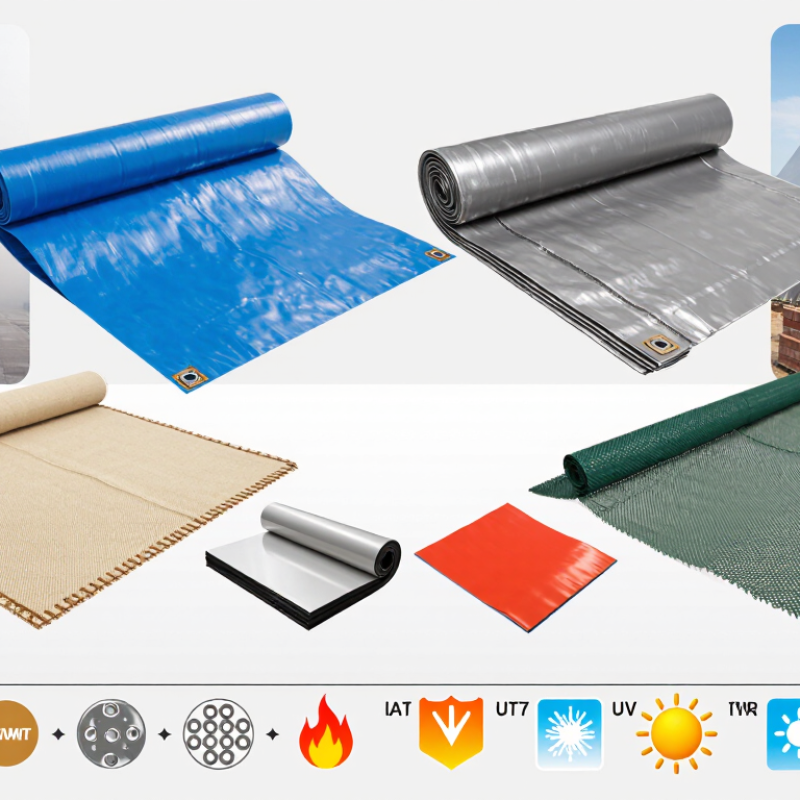
This guide introduces the leading tarpaulin types for international purchasing. Polyethylene tarpaulins remain popular for their low weight, water resistance, and practical cost. PVC-coated tarpaulins offer stronger abrasion resistance and longer service in demanding outdoor conditions. Canvas tarpaulins provide breathability and a traditional feel, while mesh tarpaulins improve airflow around loads, fences, and agricultural structures. Laminated and fire-retardant options may suit specialized projects, but their performance depends on verified specifications and responsible manufacturing.
No single sheet wins every application.
In my experience, buyers often focus too heavily on GSM and overlook stitching quality. That assumption can fail after repeated folding, wind movement, or sharp contact points. Reliable suppliers should provide clear test data, sample approval, inspection records, and honest information about limitations. Buyers should also review local safety, import, and material requirements before placing large orders. A cheaper sheet may become expensive when replacement, delivery delays, or damaged goods enter the calculation. The best choice balances service life, handling needs, climate, budget, and supplier accountability. Some recommendations still require field testing, especially in extreme weather.
What Are Tarpaulin Sheets and Why Do Buyers Need Them?
Tarpaulin sheets are flexible protective covers made from woven fabric, plastic film, or layered composites. Common fabrics include polyethylene, PVC-coated polyester, and canvas. Their surfaces may be waterproof, UV-resistant, flame-retardant, or breathable, depending on construction. Edges usually contain reinforced hems and metal or polymer eyelets for tying. Small details matter.
Buyers need tarpaulins because goods face rain, dust, sunlight, abrasion, and temporary storage pressure. A properly selected sheet can cover machinery, building materials, vehicles, crops, or outdoor equipment. It can reduce moisture damage and keep loading areas cleaner. However, “waterproof” does not mean indestructible. Sharp corners, standing water, and excessive tension can cause early failure. That warning is easy to overlook.
Selection should begin with the job, not the lowest quoted price. Check size after hemming, fabric weight, coating thickness, eyelet spacing, and temperature range. For windy sites, buyers should request reinforced corners and suitable tie-down points. For long outdoor exposure, ask for UV testing and written material specifications. A sample inspection can reveal uneven coating, weak stitching, or inaccurate dimensions before shipment. One practical lesson is uncomfortable: a thicker sheet may still perform poorly if its seams are weak. Clear specifications and inspection records make purchasing more reliable, though no tarp removes every handling risk.
2026 Top Types of Tarpaulin Sheets for Global Buyers? - What Are Tarpaulin Sheets and Why Do Buyers Need Them?
Tarpaulin Type
Typical Material
Common Weight Range
Key Performance Features
Best Applications
Main Buying Considerations
PE Tarpaulin
Woven polyethylene fabric with laminated PE coatings
70–250 g/m²
Water-resistant, lightweight, economical, easy to fold, and available in many colors
Temporary covers, agricultural storage, construction materials, truck loads, and outdoor protection
High tensile strength, strong tear resistance, excellent waterproofing, and good weldability
Truck curtains, industrial covers, warehouses, sports shelters, and long-term outdoor use
Heavier than PE; buyers should compare coating thickness, temperature flexibility, and seam strength
Canvas Tarpaulin
Cotton, polyester, or cotton-polyester woven fabric
280–600 g/m²
Breathable, abrasion-resistant, durable, and less likely to trap condensation than fully coated sheets
Equipment covers, furniture protection, workshops, transportation, and storage requiring ventilation
Water resistance depends on treatment; natural cotton may require more maintenance and can absorb moisture
Mesh Tarpaulin
Woven polyethylene, PVC-coated polyester, or high-density synthetic mesh
90–450 g/m²
Allows airflow, reduces wind load, provides shade, and helps control dust and debris
Scaffolding, fencing, shade structures, truck side curtains, and agricultural applications
Select mesh openness according to the required balance between airflow, visibility, shade, and containment
Silicone-Coated Tarpaulin
Technical woven fabric coated with silicone
30–200 g/m²
Very lightweight, flexible, water-resistant, heat-tolerant, and suitable for compact packing
Outdoor gear, emergency shelters, lightweight covers, and applications where low weight is important
Usually costs more than basic PE; evaluate coating adhesion, fabric strength, and repair compatibility
Fire-Retardant Tarpaulin
PVC-coated polyester or treated synthetic fabric
350–900 g/m²
Designed to slow flame spread and may meet specified fire-performance requirements
Event structures, industrial partitions, welding screens, temporary buildings, and public-use areas
Request test reports for the destination market because fire classifications and test methods differ by region
Insulated Tarpaulin
Multi-layer fabric with foam, foil, or thermal insulation core
500–1,500 g/m²
Reduces heat transfer, improves temperature stability, and can provide light and moisture protection
Cold-chain support, temporary partitions, industrial equipment, and temperature-sensitive storage
Compare thermal resistance, total thickness, foldability, condensation control, and cleaning requirements
Truck and Trailer Tarpaulin
PVC-coated polyester or heavy-duty PE fabric
450–700 g/m²
High tensile strength, waterproof construction, abrasion resistance, and compatibility with tensioning systems
Cargo protection for flatbed trucks, trailers, rail transport, and logistics operations
Confirm finished dimensions, hem construction, buckle or eyelet layout, welding quality, and load conditions
Agricultural Tarpaulin
UV-stabilized PE, woven PP, or coated synthetic fabric
90–250 g/m²
Weather protection, UV resistance, flexible handling, and suitability for repeated seasonal use
Hay and grain covers, silage protection, machinery, greenhouse support, and farm storage
Prioritize UV stability, waterproof seams, drainage design, wind resistance, and resistance to mildew
Groundsheet Tarpaulin
Coated polyester, PE, or abrasion-resistant laminated fabric
100–350 g/m²
Moisture barrier, puncture resistance, easy cleaning, and protection from soil and surface abrasion
Camping, construction sites, temporary flooring, outdoor storage, and landscaping
A reinforced hem and rounded or protected eyelets help prevent tearing during anchoring
Data ranges are typical commercial specifications and may vary by construction, coating, test method, and intended market.
Which Main Types of Tarpaulin Sheets Are Available in 2026?
In 2026, buyers can choose from polyethylene, PVC-coated, canvas, mesh, and laminated woven tarpaulin sheets. Each type solves a different protection problem. Polyethylene tarps remain popular because they are light, waterproof, and economical. Grand View Research’s recent market analysis identifies polyethylene products as a leading material segment. That finding matches purchasing patterns seen in construction and agriculture.
PVC-coated tarpaulins provide stronger abrasion resistance and longer outdoor service. They suit truck covers, industrial partitions, and demanding storage areas. Canvas sheets offer breathability, which helps reduce trapped condensation around machinery or harvested goods. Mesh tarps allow airflow while reducing sunlight, wind, and debris. MarketsandMarkets reports continued demand for durable coated fabrics in transport and industrial applications. However, “heavy duty” does not always mean better. A thick sheet may become difficult to fold, install, or repair.
Tips:
Check GSM, tear strength, coating thickness, eyelet spacing, and temperature resistance before ordering. For rainy climates, inspect seam welding rather than trusting fabric weight alone. For windy sites, reinforced corners matter more than attractive color. Buyers should also request test documents, because supplier claims can be incomplete. I have seen specifications look impressive until the tarp met sharp edges or continuous sunlight. That practical gap deserves more attention. Recognized testing references, including ISO 4892 for accelerated weathering and ISO 3795 for flammability, can support a more reliable comparison.
How Do Materials and Coatings Affect Tarpaulin Performance?
Tarpaulin selection in 2026 increasingly depends on material structure, not appearance alone. Polyethylene sheets are lightweight, water-resistant, and practical for temporary covers. PVC-coated polyester offers greater tear strength and longer service in demanding applications. Canvas remains breathable, but it can absorb moisture without careful treatment. The right choice depends on exposure, handling, and expected service life.
Coatings change how a sheet behaves under rain, sunlight, and friction. A UV-resistant layer slows fading and brittleness during outdoor storage. A waterproof coating helps prevent leakage, yet weak seams can still admit water. Laminated surfaces improve abrasion resistance, while thicker coatings may increase weight and reduce flexibility. In cold weather, some films stiffen and crack when folded. That detail is often missed.
During procurement checks, I would inspect fabric weight, tensile strength, seam construction, and coating adhesion together. A heavy sheet is not automatically better. A poorly bonded coating may peel after repeated bending, even when the specification looks impressive. Small samples should face folding, wetting, and edge pulling before bulk orders. This is not a perfect test. Real wind, heat, and careless handling can expose weaknesses that laboratory figures hide. Buyers should also request consistent measurements and clear production tolerances.
2026 Top Types of Tarpaulin Sheets for Global Buyers
How do materials and coatings affect tarpaulin performance?
The chart uses an indicative 0–100 performance index based on commonly reported characteristics of each material system. PVC-coated polyester generally provides the strongest balance of waterproofing, tear resistance and UV durability, while PE and HDPE tarpaulins offer lower weight and cost. Actual performance depends on fabric weight, yarn construction, coating thickness, welding quality and test conditions.
How Should Global Buyers Compare Tarpaulin Specifications and Uses?
Global buyers comparing tarpaulin sheets should start with the intended job, not the advertised material name. Polyethylene tarps are light and economical for temporary covers. PVC-coated sheets usually provide stronger waterproofing and abrasion resistance. Canvas offers breathability, but it may need treatment for prolonged rain. Mesh tarps reduce wind pressure while providing shade. The right choice depends on exposure, handling, and service life.
Compare fabric weight in GSM, weave density, coating thickness, and tear strength. A high GSM does not automatically mean better performance. Check seam construction, hem reinforcement, eyelet spacing, and size tolerance.
For outdoor storage, request UV-resistance data and temperature limits. For transport covers, examine flex-crack resistance and tie-down strength. Agricultural users should confirm light transmission, ventilation, and cleanability. Construction buyers often need flame-performance documents and material compliance records.
Ask for test reports linked to recognized ISO, ASTM, or EN methods when available. Samples should be folded, stretched, and inspected around eyelets before bulk purchasing. Measure twice. Small sizing errors can leave gaps during installation. In practical procurement, packaging also matters; damp rolls can develop odor or surface damage before use. No specification sheet is perfect, and field conditions may differ from laboratory results. A buyer should record rainfall, wind exposure, cleaning methods, and replacement frequency after deployment. That feedback makes the next specification more reliable.
What Quality, Safety, and Sustainability Standards Should Buyers Check?
2026 Top Types of Tarpaulin Sheets for Global Buyers?
A reliable tarpaulin starts with the application, not the lowest quotation. Buyers should request test reports for tensile strength, tear resistance, seam strength, coating adhesion, and eyelet pull-out. ISO 1421 supports tensile testing for coated fabrics, while ISO 4892-3 helps assess ultraviolet ageing. Ask for exposure hours, temperature ranges, and retained strength. Numbers matter more than phrases such as “heavy duty.”
Safety checks must match the site. Construction covers may require flame-performance testing under EN 13501-1, where applicable. Agricultural sheets need controlled light transmission, safe chemical contact, and clean welds.
For storage, inspect a sample after folding it several times. Cracked corners often reveal weak plasticizers or poor coating control. A perfect sheet is not a realistic promise. Weather, tension, and careless handling still shorten service life.
Sustainability needs evidence, not green wording. The OECD’s Global Plastics Outlook reported 353 million tonnes of plastic waste in 2019, with only 9% recycled. UNEP’s 2023 Turning off the Tap report says plastic pollution could fall by 80% by 2040 through reuse, recycling, and better design. Buyers should check verified recycled content, material composition, repair options, and end-of-life routes. Recycled content can affect color consistency and welding. That weakness deserves honest disclosure. Request batch traceability, a restricted-substance declaration, and lifecycle data when available. Different markets may demand different documentation.
Cepex is the brand for the fluid handling market belonging to the Fluidra group. One of the leading european manufacturer of valves and fittings in thermoplastic materials.
Dedicated to the swimming pool, irrigation and industrial markets, we distribute our products worldwide with the Fluidra commercial network and presence in 46 countries with 136 sales branches.
Your data will be processed by CEPEX S.A., with address at C. Lluís Companys, 51-53, 08400, Granollers (Barcelona), and C.I.F. nº A-08928707, to send you communications about our products based on your interests. You can consult more information about the processing of your data and how to exercise your rights as described in the Privacy Policy.
Technical cookies are strictly necessary for our website to work and you can navigate through it. These types of cookies are those that, for example, allow us to identify you, give you access to certain restricted parts of the page if necessary, or remember different options or services already selected by you, such as your privacy preferences. Therefore, they are activated by default, your authorization not being necessary in this regard. Through the configuration of your browser, you can block or alert the presence of this type of cookies, although such blocking will affect the proper functioning of the different functionalities of our website.
The analysis cookies allow us to study the navigation of the users of our website in general (for example, which sections of the page are the most visited, which services are used most and if they work correctly, etc.). From the statistical information on navigation on our website, we can improve both the operation of the page itself and the different services it offers. Therefore, these cookies do not have an advertising purpose, but only serve to make our website work better, adapting to our users in general. By activating them you will contribute to this continuous improvement. You can enable or disable these cookies by checking the corresponding box, being disabled by default.
Functionality cookies allow us to remember your preferences, to personalize certain characteristics and general options of our website, every time you access it (for example, the language in which the information is presented to you, the sections marked as favorites, your browser type, etc.) Therefore, this type of cookies does not have an advertising purpose, but by activating them you will improve the functionality of the website (for example, adapting to your type of browser) and the customization of it based on your preferences (for example, by presenting the information in the language that you have chosen in previous occasions), which will contribute to the ease, usability and comfort of our page during your navigation. You can enable or disable these cookies by checking the corresponding box, being disabled by default.
Advertising cookies allow us to manage the advertising spaces included in our website based on criteria such as the content shown or the frequency in which the ads are displayed. For example, if you have been shown the same ad several times on our website, and you have not shown a personal interest by clicking on it, it will not appear again. In summary, by activating this type of cookies, the advertising shown on our website will be more useful and diverse, and less repetitive. You can enable or disable these cookies by checking the corresponding box, being disabled by default.
Behavioral advertising cookies allow us to obtain information based on the observation of your browsing habits and behaviors on the web, in order to show you advertising content that best suits your personal tastes and interests. To understand it in a very simple way, we will give you a fictitious example: if your last searches on the web were related to suspense literature, we would show you advertising about suspense books. Therefore, activating this type of cookies, the advertising that we show you on our website will not be generic, but will be oriented to your searches, tastes and interests, therefore adjusting exclusively to you. You can enable or disable these cookies by checking the corresponding box, being disabled by default. To understand it in a very simple way, we will give you a fictitious example: if your last searches on the web were related to suspense literature, we would show you advertising about suspense books. Therefore, activating this type of cookies, the advertising that we show you on our website will not be generic, but will be oriented to your searches, tastes and interests, therefore adjusting exclusively to you. You can enable or disable these cookies by checking the corresponding box, being disabled by default.
We use our own and third-party cookies to ensure the proper functioning of the website and to analyse our services, improve your experience on our website and show you advertisements related to your interests according to profiling based on your browsing habits (e.g. websites visited). You can accept all cookies by clicking "ACCEPT" or set or reject them by clicking here. If you would like to know more about the use of cookies, please see our COOKIE POLICY.