
2026 Top Reaction Injection Molding Trends for Global Buyers?
FLUID HANDLING EXPERTS

Blog, all our news

2026 Top Reaction Injection Molding Trends for Global Buyers?

In the evolving landscape of manufacturing, Reaction Injection Molding (RIM) stands out as a transformative technology. As we approach 2026, industry experts anticipate significant trends that will impact global buyers. According to a report by MarketsandMarkets, the RIM market is expected to grow at a CAGR of 6.3%, reflecting increasing demand in automotive, aerospace, and consumer goods.

RIM technology offers versatility and efficiency, enabling producers to create intricate designs with lightweight materials. By optimizing production processes, manufacturers can achieve faster turnaround times and reduce costs. However, challenges remain, such as material selection and the need for precise formulation to avoid defects. Continuous improvement in these areas is vital for sustaining competitive advantages.

The adoption of sustainable practices within RIM production is another key trend. A focus on eco-friendly materials is emerging, driven by both consumer demand and regulatory requirements. This shift encourages innovation while pushing manufacturers to reassess their processes. Balancing speed, quality, and sustainability will be crucial for success in the evolving market of Reaction Injection Molding.
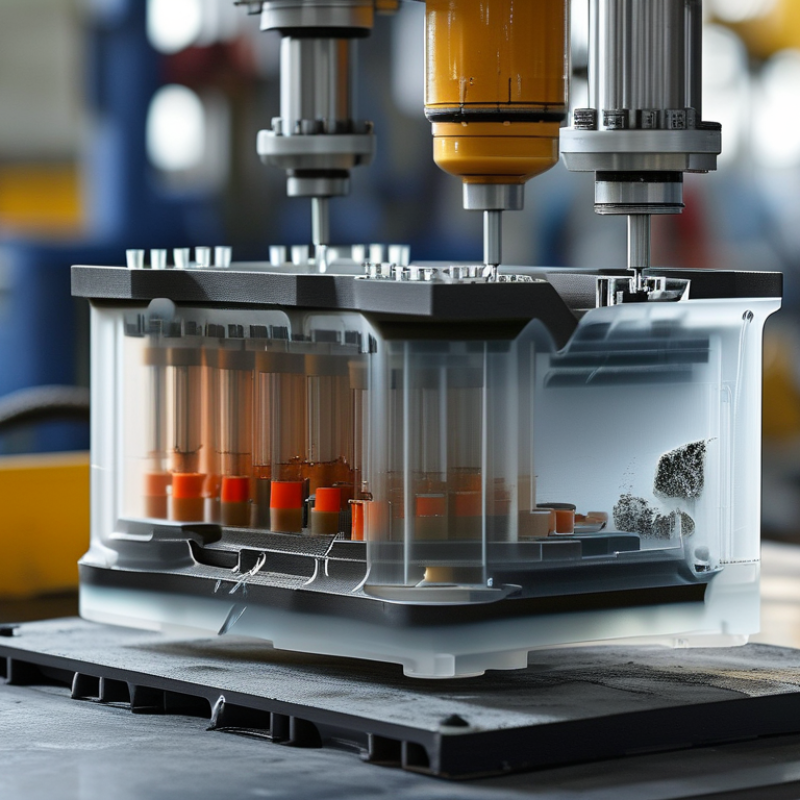
2026 Top Reaction Injection Molding Trends for Global Buyers?

Emergence of Sustainable Materials in Reaction Injection Molding

The rise of sustainable materials in the reaction injection molding (RIM) sector marks a significant shift in manufacturing practices. Industry reports indicate that the use of bio-based polyols and recycled polymers is projected to increase by 25% by 2026. This reflects a growing concern for environmental impact among manufacturers. Sustainable materials not only reduce carbon footprints but also improve product lifecycle sustainability, thus appealing to eco-conscious consumers.

However, the transition to these materials is not without challenges. Many manufacturers still struggle with sourcing reliable, sustainable options that meet performance standards. For instance, while bio-based materials can offer similar physical properties, inconsistency in supply can lead to production delays. Moreover, the cost of these sustainable alternatives often exceeds traditional materials, complicating budget considerations. These factors necessitate ongoing research and development in sustainable RIM technologies.

Furthermore, regulatory concerns also play a role. Companies must navigate complex compliance landscapes, which can vary significantly by region. Missteps in understanding local regulations could slow down the adoption of innovative materials. As the RIM industry embraces sustainability, it must weigh the benefits against these practical hurdles, balancing progress with the realities of production.

Advancements in Automation Technologies for Improved Efficiency

The injection molding industry is witnessing significant advancements in automation technologies. These innovations are streamlining production processes and enhancing operational efficiency. According to a recent report by Statista, automation can improve productivity by up to 25% in manufacturing environments. This is crucial as global demand for reaction injection molded products continues to rise.

Trends such as robotic process automation (RPA) are integrating seamlessly into workflows. RPA handles repetitive tasks, reducing the margin for human error. With automation, production lines can achieve higher speeds and lower operational costs. This shift not only enhances efficiency but also allows for more complex designs and higher-quality outputs.

Consider investing in smart automation tools. They can adapt to changing production needs. Regularly assess your automation processes for areas of improvement. Understanding the balance between automation and manual intervention is key. Data suggests that over-reliance on automation can lead to vulnerabilities if not monitored. Remaining flexible and responsive to changes is essential for long-term success in this evolving landscape.

Customization Trends: Meeting Diverse Global Buyer Demands

In 2026, the reaction injection molding sector is seeing significant shifts, particularly in customization. Buyers worldwide demand unique solutions, tailored to specific needs. This trend emphasizes flexibility and innovation in product design and production processes. Manufacturers must prioritize adaptability to stay relevant.

Many buyers seek sustainable materials and eco-friendly practices. They want products that align with their values. Customization includes not only design but also material sourcing. Companies must incorporate feedback from diverse markets to refine their offerings. This can be a challenging process. It requires constant communication and collaboration.

The intent to customize can lead to complexities in manufacturing. Increased variations might slow production or raise costs. Companies may struggle to balance quality with rapid turnaround times. Understanding these challenges is crucial for industry players. They must reflect on their capabilities and remain responsive to evolving market demands.

2026 Top Reaction Injection Molding Trends for Global Buyers

Trend Category Description Growth Percentage Region of Impact
Sustainable Materials Increasing demand for eco-friendly RIM products made from recycled materials. 20% North America, Europe
Customization Tailored solutions for specific market needs driving investment. 15% Asia, South America
Advanced Technology Integration Adoption of AI and IoT for enhancing production efficiency. 25% Global
Shorter Lead Times Pressure on manufacturers to reduce time from design to delivery. 30% Global
Enhanced Design Capabilities Increased focus on innovative designs with complex geometries. 18% Europe, Asia

Integration of Smart Manufacturing in RIM Processes

The integration of smart manufacturing into Reaction Injection Molding (RIM) processes is transforming the industry. A recent report from MarketsandMarkets predicts that the global smart manufacturing market will reach over $600 billion by 2026, marking a significant shift in production dynamics. This surge is driven by advancements in IoT, AI, and automation technologies that enhance efficiency and reduce waste in RIM processes.

Smart manufacturing in RIM allows for real-time monitoring and data analysis. This leads to improved quality control and quicker response times to production issues. For instance, predictive maintenance analytics can reduce downtime by up to 30%. However, the implementation of these technologies requires a skilled workforce. Not all companies have the expertise to adapt to digital transformation, which can hinder progress.

Moreover, while the benefits are clear, there are challenges. Integrating smart systems often involves high upfront costs and complexity. The reliance on technology raises concerns about cybersecurity, particularly in a field that handles sensitive data. As the industry evolves, addressing these issues will be crucial for maximizing the potential of smart manufacturing in RIM.

Future Challenges and Opportunities in Reaction Injection Molding Industry

The reaction injection molding (RIM) industry is poised for significant changes in the coming years. As global demand for lightweight materials increases, RIM will face both challenges and opportunities. A recent report by Grand View Research predicts that the RIM market will grow at a compound annual growth rate (CAGR) of 11.5% from 2024 to 2030. This growth indicates robust interest, but underlying issues need attention.

One prominent challenge is the high initial tooling costs associated with RIM. Many manufacturers hesitate to invest in these systems, which can limit innovation. Additionally, the industry struggles with material sourcing. Although advancements in polyurethanes and other chemistries are promising, suppliers must meet stringent quality standards. The long-term effects of global supply chain disruptions also remain uncertain, complicating the industry’s stability. These factors require careful consideration from stakeholders.

On a positive note, emerging technologies such as automation and AI are streamlining RIM processes. Integrating these technologies can enhance precision and reduce waste. A 2022 study indicated that automation could improve production efficiency by up to 30%. While these advancements bring hope, manufacturers must remain vigilant. The balance between embracing innovation and managing costs will shape RIM's future path.

Copyright 2025 Fluidra S.A. | Created by BCM Marketing Agencia Privacy Policy Legal note | Cookie policy |

Technical cookies are strictly necessary for our website to work and you can navigate through it. These types of cookies are those that, for example, allow us to identify you, give you access to certain restricted parts of the page if necessary, or remember different options or services already selected by you, such as your privacy preferences. Therefore, they are activated by default, your authorization not being necessary in this regard. Through the configuration of your browser, you can block or alert the presence of this type of cookies, although such blocking will affect the proper functioning of the different functionalities of our website.


The analysis cookies allow us to study the navigation of the users of our website in general (for example, which sections of the page are the most visited, which services are used most and if they work correctly, etc.). From the statistical information on navigation on our website, we can improve both the operation of the page itself and the different services it offers. Therefore, these cookies do not have an advertising purpose, but only serve to make our website work better, adapting to our users in general. By activating them you will contribute to this continuous improvement. You can enable or disable these cookies by checking the corresponding box, being disabled by default.


Functionality cookies allow us to remember your preferences, to personalize certain characteristics and general options of our website, every time you access it (for example, the language in which the information is presented to you, the sections marked as favorites, your browser type, etc.) Therefore, this type of cookies does not have an advertising purpose, but by activating them you will improve the functionality of the website (for example, adapting to your type of browser) and the customization of it based on your preferences (for example, by presenting the information in the language that you have chosen in previous occasions), which will contribute to the ease, usability and comfort of our page during your navigation. You can enable or disable these cookies by checking the corresponding box, being disabled by default.


Advertising cookies allow us to manage the advertising spaces included in our website based on criteria such as the content shown or the frequency in which the ads are displayed. For example, if you have been shown the same ad several times on our website, and you have not shown a personal interest by clicking on it, it will not appear again. In summary, by activating this type of cookies, the advertising shown on our website will be more useful and diverse, and less repetitive. You can enable or disable these cookies by checking the corresponding box, being disabled by default.


Behavioral advertising cookies allow us to obtain information based on the observation of your browsing habits and behaviors on the web, in order to show you advertising content that best suits your personal tastes and interests. To understand it in a very simple way, we will give you a fictitious example: if your last searches on the web were related to suspense literature, we would show you advertising about suspense books. Therefore, activating this type of cookies, the advertising that we show you on our website will not be generic, but will be oriented to your searches, tastes and interests, therefore adjusting exclusively to you. You can enable or disable these cookies by checking the corresponding box, being disabled by default.
To understand it in a very simple way, we will give you a fictitious example: if your last searches on the web were related to suspense literature, we would show you advertising about suspense books. Therefore, activating this type of cookies, the advertising that we show you on our website will not be generic, but will be oriented to your searches, tastes and interests, therefore adjusting exclusively to you. You can enable or disable these cookies by checking the corresponding box, being disabled by default.

SAVE

We use our own and third-party cookies to ensure the proper functioning of the website and to analyse our services, improve your experience on our website and show you advertisements related to your interests according to profiling based on your browsing habits (e.g. websites visited). You can accept all cookies by clicking "ACCEPT" or set or reject them by clicking here. If you would like to know more about the use of cookies, please see our COOKIE POLICY.


ACCEPT ALL
Reject no essentials


