
2026 Top Molybdenum Sheet Types for Global Buyers
FLUID HANDLING EXPERTS

Blog, all our news

2026 Top Molybdenum Sheet Types for Global Buyers

Global buyers entering the 2026 market need more than a simple list of suppliers. They need to understand how MOLYBDENUM SHEET behaves under heat, pressure, corrosion, and repeated thermal cycling. A thin sheet for a furnace shield is not automatically suitable for semiconductor equipment. Service temperature changes everything.

Dr. William F. Gale, a respected materials specialist, offers a useful principle: “Material selection must connect properties with service conditions.” That idea guides this overview. It links sheet type, manufacturing route, and application demands. Pure molybdenum sheet offers strong thermal conductivity and reliable performance in high-temperature vacuum environments. TZM sheet adds improved strength at elevated temperatures. Molybdenum-lanthanum sheet can provide better resistance to deformation during prolonged heating. Some buyers may also consider molybdenum-rhenium sheet for specialized, demanding applications.

Details matter. A mill certificate should confirm purity, thickness, dimensions, and mechanical properties. Surface finish deserves attention. A bright, clean surface may reduce contamination risks in precision assemblies. Rolled texture can affect bending and forming behavior. Annealing may improve ductility, but it can also change strength. Small errors become expensive.

No ranking is perfect. A lower-cost grade may perform poorly after repeated thermal shocks. A premium grade may exceed the real requirement. Buyers should compare temperature, atmosphere, load, tolerances, lead time, and inspection records together. The right choice is rarely the thickest sheet or the cheapest quotation. It is the sheet that remains stable when the equipment is hot, stressed, and operating continuously.
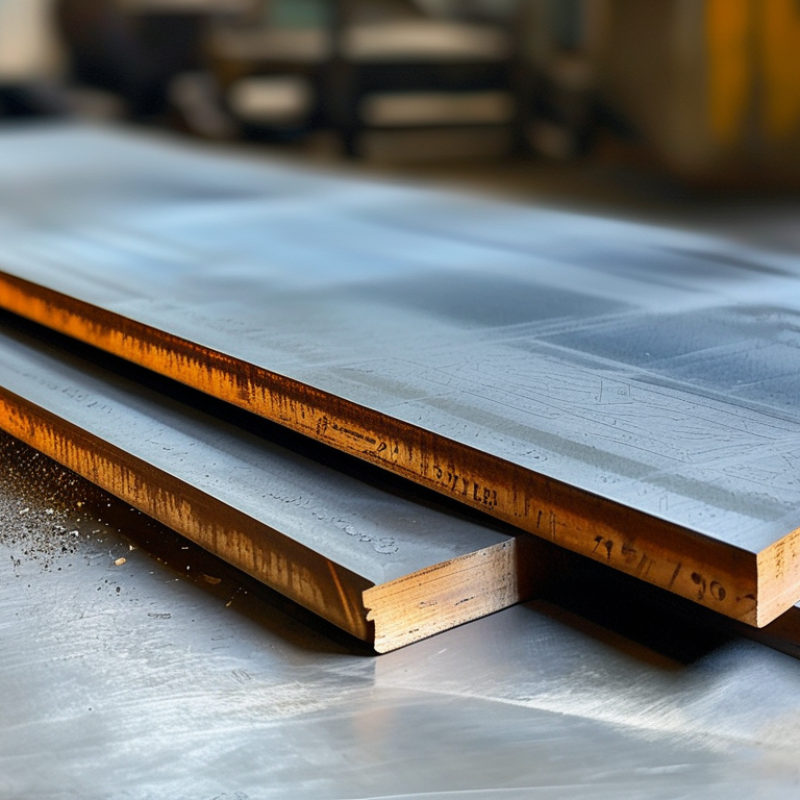
2026 Top Molybdenum Sheet Types for Global Buyers

Molybdenum Sheet Basics, Composition, and Key Properties

2026 Top Molybdenum Sheet Types for Global Buyers

Molybdenum sheet is a refractory metal product used where heat, strength, and dimensional stability matter. Commercially pure grades usually contain at least 99.95% molybdenum. Small amounts of carbon, oxygen, iron, and other elements can affect performance. TZM-type alloys add titanium and zirconium for improved high-temperature strength.

Common sheet types include sintered sheet, rolled sheet, annealed sheet, and precision-ground sheet. Rolled material offers controlled thickness and useful grain direction. Annealed sheet is easier to form, although it may lose some hardness. Ground surfaces help reduce roughness and improve contact in furnace parts, heat shields, and high-temperature fixtures.

Molybdenum melts at about 2,623°C and keeps useful strength at elevated temperatures. It also has low thermal expansion and good thermal conductivity. However, it oxidizes in air at high temperatures and can become brittle at room temperature. This matters during bending and machining.

A frequent purchasing mistake is choosing a grade by purity alone. Thickness tolerance, grain structure, surface condition, and heat treatment deserve equal attention. Buyers should request mill certificates, dimensional inspection records, and traceability documents. Check the details carefully. Some specifications remain unclear until the sheet is tested under actual service conditions.

How Molybdenum Sheet Types Are Classified

2026 Top Molybdenum Sheet Types for Global Buyers

How Molybdenum Sheet Types Are Classified

Molybdenum sheets are commonly classified by material grade, thickness, manufacturing route, surface condition, and intended use. Commercially pure molybdenum offers strong heat resistance and stable performance in vacuum environments. Alloyed grades, such as titanium-zirconium-molybdenum or lanthanated molybdenum, can improve strength at elevated temperatures. The right grade depends on operating conditions, not only price.

Thickness is another practical category. Thin sheets suit thermal shields, furnace parts, and precision components. Thicker plates provide greater stiffness for structural assemblies. Manufacturers may produce sheets through pressing, sintering, rolling, and heat treatment. These steps affect grain structure, flatness, ductility, and dimensional consistency. Surface classifications may include rolled, ground, polished, or chemically cleaned finishes. Small surface marks can matter.

Classification is not perfectly uniform across suppliers. A “sheet” from one source may be described as a “plate” by another. Buyers should confirm thickness tolerance, width, length, density, purity, and test methods in writing. During inspection, I would check edge cracks, warping, discoloration, and packaging damage before installation. A material certificate is useful, but it should not replace physical verification. That remains an easy mistake. Temperature, atmosphere, load, and joining method can change the best choice, so a simple grade comparison may be insufficient.

Top Molybdenum Sheet Types for Global Buyers in 2026

Top Molybdenum Sheet Types for Global Buyers in 2026

In 2026, global buyers commonly compare pure molybdenum, TZM, and lanthanated molybdenum sheets. Pure molybdenum sheet suits vacuum furnaces, heat shields, and high-temperature structural parts. It maintains strength in controlled atmospheres. However, it can become brittle after improper forming or exposure to oxygen at elevated temperatures.

TZM sheet contains titanium and zirconium additions. This alloy offers better creep resistance and higher recrystallization strength than unalloyed molybdenum. It fits furnace trays, hot-zone supports, and aerospace thermal components. Lanthanated molybdenum sheet provides improved ductility and stability during repeated heating cycles. It is useful for heating elements and shaped parts. Choose carefully.

A reliable purchase specification should state thickness, width, length, alloy chemistry, surface condition, and grain direction. Buyers should request heat numbers, material certificates, density data, and applicable test results. ASTM B386 is often used as a reference for molybdenum and molybdenum alloy sheet. Still, standards alone do not guarantee production suitability. Ask about edge cracking, flatness, dimensional tolerance, and packaging with moisture protection. A recurring mistake is selecting the alloy before confirming furnace atmosphere and forming temperature. That decision deserves another review. Small details matter.

2026 Top Molybdenum Sheet Types for Global Buyers

The chart compares representative nominal alloying or additive content used to distinguish major molybdenum sheet types. Pure molybdenum sheet is typically supplied at about 99.95% Mo, while TZM, Mo-La₂O₃, Mo-30W, and Mo-Re sheets use alloying additions to improve strength, recrystallization resistance, ductility, or high-temperature performance. Exact chemistry depends on the applicable material standard and buyer specification.

Choosing Molybdenum Sheets for Different Industrial Applications

2026 Top Molybdenum Sheet Types for Global Buyers

Choosing Molybdenum Sheets for Different Industrial Applications

Choosing the right molybdenum sheet starts with temperature, atmosphere, and mechanical load. Pure molybdenum suits vacuum furnaces, heat shields, and high-temperature structural parts. It offers excellent thermal stability and predictable fabrication. However, it can become brittle after repeated exposure to oxygen-rich environments.

TZM alloy sheets provide higher strength at elevated temperatures. They work well for furnace trays, dies, and aerospace heat-resistant components. Their titanium and zirconium additions improve creep resistance. Fabricators should still confirm forming limits before selecting thin gauges. Not every strong sheet bends easily.

Molybdenum-lanthanum sheets are useful when dimensional stability matters. They often support furnace components, sintering supports, and electrical contacts. The strengthened structure can resist deformation during long heating cycles. For semiconductor and glass-processing equipment, surface cleanliness and thickness tolerance deserve close attention. Small deviations may affect alignment.

Check the working temperature, sheet thickness, flatness, and edge condition together. A polished surface may benefit reflective shields, while a rougher finish can suit certain fixtures. Ask for chemical analysis, tensile data, and inspection records. These documents improve traceability, but they do not replace application testing. I would test a small batch first, especially when thermal cycling is severe. Cost-based selection often looks efficient initially, yet premature cracking can erase that advantage.

Comparing Global Suppliers, Standards, and Purchasing Factors

2026 Top Molybdenum Sheet Types for Global Buyers

Global buyers usually compare pure molybdenum, TZM alloy, and lanthanum-doped sheet. Pure molybdenum suits high-temperature furnace parts and heat shields. TZM offers better strength at elevated temperatures. Lanthanum-doped grades resist deformation during repeated heating cycles. The best choice depends on temperature, atmosphere, thickness, and forming requirements.

Supplier evaluation should begin with technical evidence, not attractive pricing. Request the chemical composition, density, mechanical properties, grain condition, surface finish, and heat number. A reliable supplier should provide a certificate of analysis and support independent inspection when needed.

Check whether the supplier can meet ASTM B386 or an agreed national standard. Standards may use different test methods. Confirm every detail in writing.

Purchasing teams should also compare thickness tolerance, flatness, cutting accuracy, packaging, lead time, and export documentation. Vacuum-sealed packaging with rigid protection can reduce scratches and oxidation during transport. Ask about minimum order quantities and replacement procedures before issuing a purchase order.

Small details matter. I would not assume that a familiar grade performs identically across all mills. Trial pieces can reveal edge cracking, warping, or unexpected brittleness. A slightly higher unit price may be reasonable when traceability and inspection records are stronger. Yet excessive testing can delay production, so the inspection plan should match the sheet’s actual risk.

Copyright 2025 Fluidra S.A. | Created by BCM Marketing Agencia Privacy Policy Legal note | Cookie policy |

Technical cookies are strictly necessary for our website to work and you can navigate through it. These types of cookies are those that, for example, allow us to identify you, give you access to certain restricted parts of the page if necessary, or remember different options or services already selected by you, such as your privacy preferences. Therefore, they are activated by default, your authorization not being necessary in this regard. Through the configuration of your browser, you can block or alert the presence of this type of cookies, although such blocking will affect the proper functioning of the different functionalities of our website.


The analysis cookies allow us to study the navigation of the users of our website in general (for example, which sections of the page are the most visited, which services are used most and if they work correctly, etc.). From the statistical information on navigation on our website, we can improve both the operation of the page itself and the different services it offers. Therefore, these cookies do not have an advertising purpose, but only serve to make our website work better, adapting to our users in general. By activating them you will contribute to this continuous improvement. You can enable or disable these cookies by checking the corresponding box, being disabled by default.


Functionality cookies allow us to remember your preferences, to personalize certain characteristics and general options of our website, every time you access it (for example, the language in which the information is presented to you, the sections marked as favorites, your browser type, etc.) Therefore, this type of cookies does not have an advertising purpose, but by activating them you will improve the functionality of the website (for example, adapting to your type of browser) and the customization of it based on your preferences (for example, by presenting the information in the language that you have chosen in previous occasions), which will contribute to the ease, usability and comfort of our page during your navigation. You can enable or disable these cookies by checking the corresponding box, being disabled by default.


Advertising cookies allow us to manage the advertising spaces included in our website based on criteria such as the content shown or the frequency in which the ads are displayed. For example, if you have been shown the same ad several times on our website, and you have not shown a personal interest by clicking on it, it will not appear again. In summary, by activating this type of cookies, the advertising shown on our website will be more useful and diverse, and less repetitive. You can enable or disable these cookies by checking the corresponding box, being disabled by default.


Behavioral advertising cookies allow us to obtain information based on the observation of your browsing habits and behaviors on the web, in order to show you advertising content that best suits your personal tastes and interests. To understand it in a very simple way, we will give you a fictitious example: if your last searches on the web were related to suspense literature, we would show you advertising about suspense books. Therefore, activating this type of cookies, the advertising that we show you on our website will not be generic, but will be oriented to your searches, tastes and interests, therefore adjusting exclusively to you. You can enable or disable these cookies by checking the corresponding box, being disabled by default.
To understand it in a very simple way, we will give you a fictitious example: if your last searches on the web were related to suspense literature, we would show you advertising about suspense books. Therefore, activating this type of cookies, the advertising that we show you on our website will not be generic, but will be oriented to your searches, tastes and interests, therefore adjusting exclusively to you. You can enable or disable these cookies by checking the corresponding box, being disabled by default.

SAVE

We use our own and third-party cookies to ensure the proper functioning of the website and to analyse our services, improve your experience on our website and show you advertisements related to your interests according to profiling based on your browsing habits (e.g. websites visited). You can accept all cookies by clicking "ACCEPT" or set or reject them by clicking here. If you would like to know more about the use of cookies, please see our COOKIE POLICY.


ACCEPT ALL
Reject no essentials


