Choosing the 2026 top Custom Stainless Steel Coil Suppliers requires more than comparing prices or polished websites. Buyers need evidence of metallurgical control, consistent rolling, and dependable delivery. A serious supplier should explain grade selection, thickness tolerance, coil width, surface finish, edge condition, and minimum order quantities. Traceable mill test certificates matter. So do independent quality audits.
Harry Bhadeshia, a respected physical metallurgist, has stated, “Stainless steel is not stainless.” That short warning deserves attention. Corrosion resistance depends on alloy composition, surface condition, fabrication, temperature, and exposure. A supplier recommending 304 for every project may be convenient, but it is not necessarily competent. Marine equipment, food-processing lines, medical components, and high-temperature systems require different decisions.
Real experience often appears in small details. Can the supplier provide trial coils before full production? Can it control flatness after slitting? Does packaging protect bright finishes during ocean transport? These questions reveal operational maturity. Customer references and long-term project records add stronger evidence than marketing claims.
The best suppliers will not promise perfection. They will discuss risks openly, including yield variation, delayed raw materials, and imperfect surface results. That honesty builds trust. Still, this market changes quickly. A company ranked highly in 2026 may struggle next year because capacity, energy costs, and regional logistics can shift. This guide examines leading Custom Stainless Steel Coil suppliers through quality, customization, technical support, certifications, delivery performance, and value. Price remains relevant. It should never stand alone.
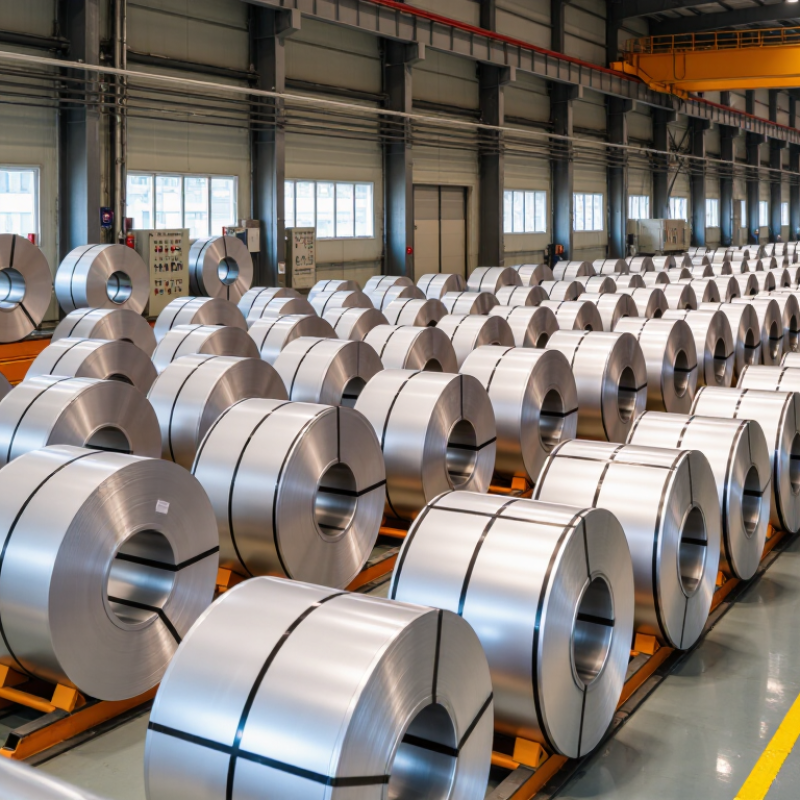
Custom stainless steel coils are continuous strips of stainless steel wound into compact rolls and produced to a buyer’s exact requirements. Customization can include alloy grade, thickness, width, coil weight, inner diameter, surface finish, edge condition, and mechanical temper. The product is not simply standard sheet metal in a roll. It is processed for a specific forming, stamping, welding, or fabrication process.
The International Stainless Steel Forum reported approximately 60.8 million tonnes of global stainless crude steel production in 2023. That scale increases the need for accurate coil specifications. A small width error can create serious waste during slitting. A rougher surface may also affect polishing, food equipment, or visible architectural parts. In practical purchasing, engineers should check chemical composition, tensile strength, thickness tolerance, and surface finish against applicable standards such as ASTM A480/A480M or EN 10088.
Details matter most. A coil may require a 300-millimeter width, 1.2-millimeter thickness, tight camber control, and a specific 2B or bright finish. Packaging also matters because moisture can stain exposed surfaces during transport. The phrase “custom coil” can be slightly misleading. Most producers adapt a standard melt through rolling, annealing, finishing, and slitting rather than creating a completely new alloy. Specifications still need review. Even a carefully prepared order can fail when the end-use conditions are described poorly.

How to Evaluate Stainless Steel Coil Suppliers in 2026
Stainless steel coil purchasing needs more than a competitive quotation. The International Stainless Steel Forum reported about 58.4 million tonnes of stainless crude steel production in 2023. This scale increases choice, but it also makes supplier screening harder. Compare actual mill certificates, not polished brochures. Check grade chemistry, thickness tolerance, surface finish, coil weight, and edge condition against your specification. A reliable supplier should explain every deviation clearly.
Ask for heat-number traceability from the coil to the test certificate. Request recent records for tensile strength, yield strength, elongation, and corrosion-related testing. For critical applications, verify the material through independent PMI testing. Standards such as ASTM A240 and EN 10088 help, but the purchase contract must state the exact grade and finish. Small wording gaps can create expensive disputes.
Logistics deserve equal attention. The World Steel Association reported roughly 1.88 billion tonnes of crude steel production in 2024, showing the market’s enormous capacity, but not every supplier offers stable quality. Review lead-time history, packaging photographs, moisture protection, and claim handling. Ask how coils are secured for long-distance transport. A supplier may promise seven days and deliver in three weeks. That risk is easy to miss. I would also inspect two or three delivered coils before approving larger volumes; one successful sample proves very little.
This procurement framework assigns a 100-point evaluation weight across the factors most relevant to custom stainless steel coil sourcing: quality consistency, customization capability, delivery reliability, compliance, total cost, and technical support. The weighting is a practical benchmark rather than a ranking of any specific company or brand.
Leading custom stainless steel coil suppliers for 2026 should offer more than attractive pricing. They need stable metallurgy, precise slitting, and traceable inspection records. World Stainless reported approximately 60.8 million tonnes of crude stainless steel production in 2023. That scale increases material availability, but it also makes supplier consistency harder to judge.
Ask for mill certificates, heat numbers, surface-finish samples, and independent test results. A reliable supplier should explain thickness tolerance, coil weight, inner diameter, and edge condition clearly. Details matter.
Custom orders often require narrow widths, special grades, or controlled annealing. These requirements can expose weak process controls. Check whether the supplier follows recognized standards, such as ASTM or EN specifications, and confirm which tests apply to your application.
Request recent data for yield strength, tensile strength, corrosion resistance, and flatness. Do not accept vague claims. I have seen “premium finish” mean different things between factories. That misunderstanding becomes expensive after delivery.
Tips:
Compare three written quotations with identical specifications. Confirm tolerances before negotiating price. Request a production sample when appearance matters.
Review packaging for moisture protection, coil stability, and lifting safety. A low price may hide longer lead times, higher scrap, or inconsistent surface quality.
No supplier is perfect. Your approval process should leave room for that reality.
In 2026, custom stainless steel coil buyers are comparing more than quoted prices. Quality begins with controlled chemistry, accurate thickness, and a clean surface. Reliable suppliers provide mill certificates, heat numbers, and traceable inspection records. They also explain whether the coil uses 304, 316L, or another suitable grade. Small differences matter.
A practical quality check includes testing tensile strength, hardness, dimensions, and surface finish. Samples should match production coils, not just look attractive in a showroom. This is where some evaluations become imperfect. A polished sample can hide inconsistent edge quality or uneven flatness. Independent verification is useful when tolerances are critical. Cutting performance often reveals problems earlier than visual inspection.
Capacity should be measured through equipment, workforce, and scheduling discipline. A supplier may own large lines but lack space for urgent custom orders. Ask about monthly output, minimum order quantities, slitting widths, coil weights, and backup production plans. Service also shows in ordinary details: clear drawings, fast technical replies, secure packaging, and honest updates when delays occur. The best supplier is not always the largest. It is the one that documents limits, protects material during transport, and corrects mistakes without avoiding responsibility. Some communication gaps still happen, especially across time zones. Clear specifications reduce that risk.
Choosing a custom stainless steel coil supplier in 2026 requires more than comparing prices. Start with the material grade, thickness range, width tolerance, and surface finish. Ask whether the supplier can provide mill test certificates and independent inspection records. These documents help confirm chemical composition, tensile strength, and corrosion performance. A polished coil should arrive with protected surfaces, not random scratches under loose wrapping.
Tips: Send a detailed drawing before requesting a quote. Include coil width, inner diameter, outer diameter, edge condition, hardness, finish, and expected quantity. Request a small sample when the application is sensitive. Check how the supplier handles nonconforming material. Clear replacement terms matter. They often reveal more than a polished sales presentation.
Lead time also needs careful checking. Confirm production time, packaging method, loading protection, and shipment tracking in writing. Experienced suppliers should explain realistic tolerances instead of promising perfection. I have found that vague answers usually create expensive delays later. However, even a careful supplier can misunderstand an unclear specification. Review the final order sheet line by line, especially units and decimal points. A cheaper coil may become costly after slitting, rework, or rejected batches. Reliable communication, traceable records, and practical technical support should guide the final decision.

Cepex is the brand for the fluid handling market belonging to the Fluidra group. One of the leading european manufacturer of valves and fittings in thermoplastic materials.
Dedicated to the swimming pool, irrigation and industrial markets, we distribute our products worldwide with the Fluidra commercial network and presence in 46 countries with 136 sales branches.