
2026 Best Compression Fittings for Global Buyers Guide?
FLUID HANDLING EXPERTS

Blog, all our news

2026 Best Compression Fittings for Global Buyers Guide?

In the world of plumbing and piping, Compression Fittings play a crucial role. They facilitate secure connections between pipes and hoses, ensuring leaks are minimized. Understanding the best compression fittings available can help global buyers make informed decisions.

Each type boasts unique features that cater to various applications. From durability to ease of installation, knowing your needs is vital. While many products claim superiority, true quality becomes evident through experience and reliable sources.

However, not all compression fittings are suitable for every scenario. Buyers must reflect on their specific requirements and the environments where these fittings will be used. Investing time in research ensures a good fit, avoiding costly mistakes down the line. Emphasizing informed choices can lead to more effective and efficient plumbing solutions.
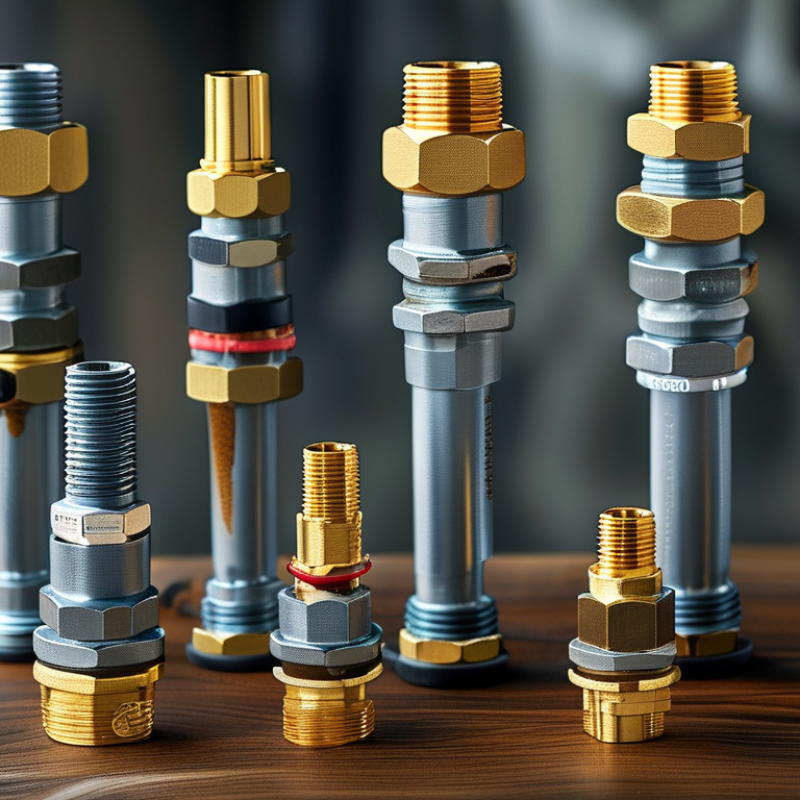
2026 Best Compression Fittings for Global Buyers Guide?

2026 Compression Fittings Overview: Types and Applications

Compression fittings are essential in various applications. They connect pipes and tubes securely, preventing leaks and ensuring efficiency. Understanding different types is vital for effective use. Typically, compression fittings include straight, reducing, and elbow styles. Each serves unique purposes in plumbing, hydraulic systems, and pneumatic applications.

Relevant tips can enhance your selection process. Always consider the material compatibility of the fitting with your pipes. Metal fittings are robust but may not suit all environments. Pay attention to the pressure rating as well, as exceeding limits can lead to failures.

Installation can be tricky. Ensure proper alignment before tightening to avoid any misalignments. It's crucial to use the right tools to prevent damage. Sometimes, professionals miss these details, leading to leaks or system failures. Taking the time to double-check your work can save headaches later on.

2026 Best Compression Fittings Overview: Types and Applications

Type Material Application Pressure Rating (psi) Temperature Range (°F)
Compression Fitting Brass Water Supply 200 32 to 180
Threaded Compression Fitting Stainless Steel Gas Lines 1500 0 to 400
Push-To-Connect Fitting Plastic Air Systems 120 32 to 140
Compression Elbow Copper HVAC Systems 300 20 to 230
Compression Tee PVC Waste Water 100 33 to 120

Key Features to Consider When Choosing Compression Fittings

When choosing compression fittings, several key features are essential. One important aspect is the material used. Common options include brass, plastic, and stainless steel. Each material has its advantages and disadvantages. Brass is durable but may corrode over time. Plastic is lightweight, yet it may not withstand high-pressure situations.

Another critical factor is the fitting size and compatibility. Accurate measurements are necessary to ensure a proper fit. Mismatched sizes can lead to leaks or system failures. Users should also consider the pressure rating of the fittings. Higher pressure ratings typically indicate stronger fittings, which can be essential in demanding applications.

Ease of installation is also worth noting. Some fittings are designed for quick, tool-free installation, while others might require specific tools. This can affect both the time and cost of a project. It's important to reflect on these aspects to make informed decisions that enhance reliability and performance.

Top Brands in the Compression Fittings Market

In the compression fittings market, several top brands dominate due to their technological advancements and product reliability. According to a recent industry report, the global compression fittings market is expected to expand significantly, reaching an estimated value of over $11 billion by 2026. This growth reflects the increasing demand from industries such as oil and gas, water supply, and construction, where dependable fittings are crucial.


Leading brands focus on innovative materials and designs. Many companies have adopted stainless steel and specialized polymers to enhance durability. The report indicates that these materials not only prolong the lifespan of fittings but also improve efficiency in various applications. However, consumer feedback often highlights the need for improved customization options, as one-size-fits-all solutions may not suit every project.


Furthermore, quality control is a recurring challenge in the industry. Despite advancements, some products still face issues related to leaks or compatibility with various piping systems. Regular reports suggest that ongoing testing and adherence to strict industry standards are essential for maintaining product reliability. Companies that prioritize these factors often see greater customer satisfaction and loyalty. Addressing these concerns can help enhance the overall credibility of the compression fittings market.

Global Trends Impacting Compression Fittings Demand

The demand for compression fittings is influenced heavily by global trends. One significant trend is the expansion of the renewable energy sector. This sector is increasingly relying on robust pipe connections that can withstand varied conditions. A report by MarketsandMarkets forecasts that the global market for compression fittings will grow at a compound annual growth rate (CAGR) of over 5% from 2023 to 2028. This growth reflects an increasing need for durable and efficient connection solutions.

Another factor driving demand is the ongoing urbanization in developing countries. The construction and infrastructure industries are booming. According to a report by ResearchAndMarkets, the global infrastructure market is expected to reach $4 trillion by 2030. This surge requires reliable fittings for plumbing and gas applications. However, the challenges are significant, including stringent regulations and quality control issues. Constant innovation is essential to addressing these complexities and meeting market demands.

Additionally, the COVID-19 pandemic has led to fluctuations in supply chains. Many companies faced interruptions, emphasizing the need for improved resilience in sourcing materials. As companies adapt, flexibility in manufacturing and distribution will play a critical role. Developing sustainable practices is vital, yet the balance between cost and sustainability remains a challenge. The coming years will be crucial in shaping the future landscape of compression fittings.

Installation and Maintenance Tips for Compression Fittings

Compression fittings are essential in various plumbing and piping applications. Their installation requires precision. First, ensure the pipes are clean and free of debris. Use a pipe cutter for a straight and clean cut. This will help achieve a better seal and prevent leaks.

When installing compression fittings, hand-tighten the nut first. Over-tightening can damage the fitting or the pipe. Always check for leaks after installation. Even a tiny leak can lead to significant issues over time. If you notice any moisture around the fitting, address it immediately.

Maintaining compression fittings is relatively straightforward. Regularly inspect connections for signs of wear or corrosion. Replace any damaged parts as needed. Keeping the fittings dry and free from contaminants will extend their lifespan. Reflections on past installations can help. Consider documenting your successful and challenging experiences to improve future work.

Copyright 2025 Fluidra S.A. | Created by BCM Marketing Agencia Privacy Policy Legal note | Cookie policy |

Technical cookies are strictly necessary for our website to work and you can navigate through it. These types of cookies are those that, for example, allow us to identify you, give you access to certain restricted parts of the page if necessary, or remember different options or services already selected by you, such as your privacy preferences. Therefore, they are activated by default, your authorization not being necessary in this regard. Through the configuration of your browser, you can block or alert the presence of this type of cookies, although such blocking will affect the proper functioning of the different functionalities of our website.


The analysis cookies allow us to study the navigation of the users of our website in general (for example, which sections of the page are the most visited, which services are used most and if they work correctly, etc.). From the statistical information on navigation on our website, we can improve both the operation of the page itself and the different services it offers. Therefore, these cookies do not have an advertising purpose, but only serve to make our website work better, adapting to our users in general. By activating them you will contribute to this continuous improvement. You can enable or disable these cookies by checking the corresponding box, being disabled by default.


Functionality cookies allow us to remember your preferences, to personalize certain characteristics and general options of our website, every time you access it (for example, the language in which the information is presented to you, the sections marked as favorites, your browser type, etc.) Therefore, this type of cookies does not have an advertising purpose, but by activating them you will improve the functionality of the website (for example, adapting to your type of browser) and the customization of it based on your preferences (for example, by presenting the information in the language that you have chosen in previous occasions), which will contribute to the ease, usability and comfort of our page during your navigation. You can enable or disable these cookies by checking the corresponding box, being disabled by default.


Advertising cookies allow us to manage the advertising spaces included in our website based on criteria such as the content shown or the frequency in which the ads are displayed. For example, if you have been shown the same ad several times on our website, and you have not shown a personal interest by clicking on it, it will not appear again. In summary, by activating this type of cookies, the advertising shown on our website will be more useful and diverse, and less repetitive. You can enable or disable these cookies by checking the corresponding box, being disabled by default.


Behavioral advertising cookies allow us to obtain information based on the observation of your browsing habits and behaviors on the web, in order to show you advertising content that best suits your personal tastes and interests. To understand it in a very simple way, we will give you a fictitious example: if your last searches on the web were related to suspense literature, we would show you advertising about suspense books. Therefore, activating this type of cookies, the advertising that we show you on our website will not be generic, but will be oriented to your searches, tastes and interests, therefore adjusting exclusively to you. You can enable or disable these cookies by checking the corresponding box, being disabled by default.
To understand it in a very simple way, we will give you a fictitious example: if your last searches on the web were related to suspense literature, we would show you advertising about suspense books. Therefore, activating this type of cookies, the advertising that we show you on our website will not be generic, but will be oriented to your searches, tastes and interests, therefore adjusting exclusively to you. You can enable or disable these cookies by checking the corresponding box, being disabled by default.

SAVE

We use our own and third-party cookies to ensure the proper functioning of the website and to analyse our services, improve your experience on our website and show you advertisements related to your interests according to profiling based on your browsing habits (e.g. websites visited). You can accept all cookies by clicking "ACCEPT" or set or reject them by clicking here. If you would like to know more about the use of cookies, please see our COOKIE POLICY.


ACCEPT ALL
Reject no essentials



